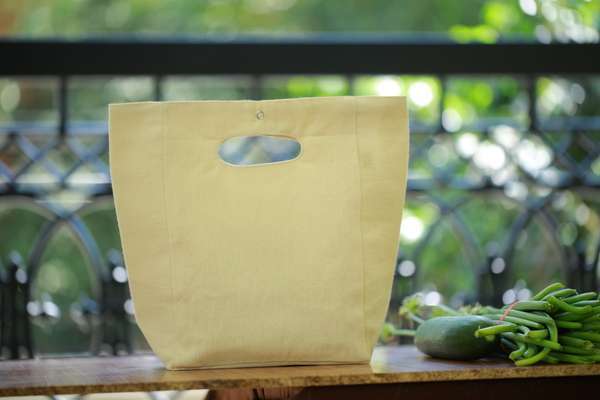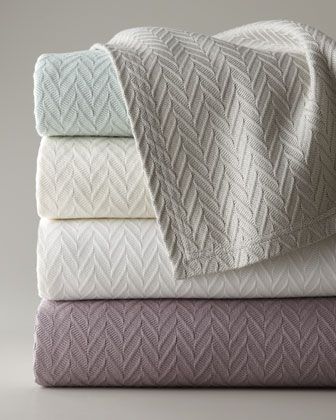

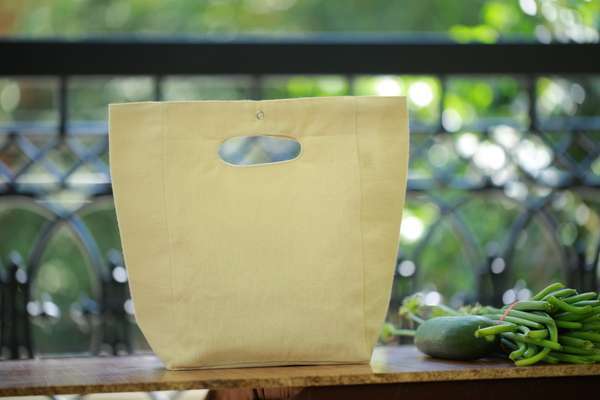
Top Canvas Shoulder Bag Manufacturer in India

Introduction

In recent years, sustainability has transformed from a trend into a global responsibility. Consumers, businesses, and governments alike are seeking eco-friendly alternatives that reduce environmental impact and promote green living. Among the many products that have emerged as sustainable heroes, canvas shoulder bags stand out as both practical and environmentally responsible.

Lightweight, durable, and reusable, canvas shoulder bags are more than just fashion accessories—they represent a commitment to sustainability. Whether used for shopping, commuting, or travel, these bags combine functionality with conscious living, making them a perfect choice for eco-minded individuals.

This article explores the environmental benefits of canvas shoulder bags, how they reduce waste, and why they are a cornerstone of sustainable fashion and green business initiatives.

The Shift Toward Eco-Friendly Materials

The textile and fashion industries are among the largest contributors to global pollution. Synthetic materials such as polyester and nylon are made from petroleum-based compounds that take centuries to decompose. As awareness grows about the harmful effects of these materials, more consumers and companies are turning toward natural, biodegradable options like cotton, jute, and canvas.

Canvas, a heavy-duty woven fabric made primarily from cotton or linen, has emerged as one of the most sustainable alternatives. It is strong, reusable, and biodegradable—making it a smart choice for reducing plastic waste. Unlike single-use bags that end up in landfills, canvas shoulder bags can be reused hundreds of times, significantly cutting down on waste generation.

Understanding What Makes Canvas Sustainable

Canvas owes its eco-friendly reputation to its natural origins and long-lasting durability. The fabric is typically made from organic cotton, which requires less water and fewer chemicals to grow than conventional cotton. Additionally, it’s recyclable and compostable at the end of its life cycle.

Key sustainability factors include:

Natural Fiber Base: Canvas is made from renewable plant-based materials.

Low Energy Production: Manufacturing canvas requires less energy than synthetic fabrics.

Biodegradability: It decomposes naturally without releasing toxins into the environment.

Reusability: A single canvas bag can replace hundreds of disposable plastic bags.

These qualities make canvas one of the most environmentally responsible materials available for bag production.

The Role of Canvas Shoulder Bags in Reducing Plastic Waste

Plastic pollution remains one of the most pressing environmental challenges of our time. Single-use plastic bags, in particular, pose a serious threat to marine life and ecosystems. Governments worldwide are implementing bans or restrictions on plastic bags, pushing both consumers and companies to look for alternatives.

Canvas shoulder bags provide a long-term solution. Their durability allows them to be used repeatedly for years, minimizing the need for disposable bags. Even when they wear out, canvas bags can be repaired or recycled into other useful items such as cleaning cloths or smaller pouches.

By adopting canvas bags for daily use, consumers contribute directly to reducing plastic consumption and supporting a cleaner planet.

Canvas Bags and Carbon Footprint Reduction

The environmental benefits of canvas extend beyond waste reduction. Because canvas is made from natural fibers, its carbon footprint is significantly lower compared to petroleum-based materials.

Manufacturing synthetic fabrics emits large amounts of greenhouse gases, while the cultivation of cotton and other natural fibers can even help offset carbon through photosynthesis. Moreover, since canvas bags are reusable and long-lasting, fewer resources are needed over time to replace them, further reducing environmental impact.

When consumers switch from disposable to reusable canvas shoulder bags, they actively support a lifestyle that conserves energy, water, and natural resources.

Versatility Meets Sustainability

Canvas shoulder bags are not only eco-friendly—they are also incredibly versatile. Their sturdy construction and spacious design make them suitable for a wide range of uses, such as:

Daily Commutes: Perfect for carrying books, laptops, or essentials.

Shopping Trips: Replaces plastic bags for groceries and retail items.

Travel Companion: Lightweight and durable for carrying travel essentials.

Fashion Statement: Available in stylish designs that suit casual or formal looks.

This combination of practicality and aesthetics makes canvas bags a favorite among environmentally conscious consumers who refuse to compromise on style.

The Fashion Industry’s Embrace of Canvas

Sustainability is now at the forefront of fashion innovation. Major brands and local artisans alike are rethinking materials and manufacturing practices to align with eco-friendly values. Canvas has become a staple in this movement, not only for its minimal environmental footprint but also for its timeless appeal.

Designers are increasingly using organic dyes, natural pigments, and eco-friendly printing techniques to enhance canvas shoulder bags. The result is a product that’s both fashionable and sustainable—a true representation of modern, conscious design.

Why Consumers Love Canvas Shoulder Bags

Beyond sustainability, canvas shoulder bags offer unmatched usability and charm. Consumers are drawn to them for several reasons:

Durability: Canvas can withstand daily wear and tear.

Low Maintenance: Easy to wash and care for.

Personalization: Easily customizable with prints or embroidery.

Unisex Appeal: Suitable for all genders and age groups.

The growing popularity of these bags is a reflection of changing consumer attitudes toward sustainability and conscious consumption.

Supporting Green Business Practices

Businesses, too, are embracing canvas shoulder bags as part of their sustainability initiatives. Many brands now use eco-friendly bags as promotional merchandise, employee gifts, or retail packaging. These bags not only reduce plastic use but also reflect a brand’s commitment to corporate social responsibility (CSR).

By switching to reusable canvas bags, companies send a strong message about their environmental values while engaging customers in sustainable practices.

Economic Benefits of Choosing Canvas

While the initial cost of canvas shoulder bags may be slightly higher than disposable alternatives, their long-term benefits make them a cost-effective choice. Because of their durability and reusability, businesses and consumers save money over time. Additionally, companies that use eco-friendly packaging often enjoy enhanced brand reputation and customer loyalty.

In short, investing in canvas bags is not just good for the planet—it’s good for business.

Canvas and the Circular Economy

The concept of the circular economy focuses on minimizing waste and keeping materials in use for as long as possible. Canvas fits perfectly into this model because of its reusability and recyclability. Even when a bag reaches the end of its life, it can be upcycled into new items or returned to the environment without harm.

This closed-loop approach is a vital part of global sustainability strategies, helping to conserve resources and reduce landfill waste.

The Growing Market for Canvas Bags in India

India has become a key player in the global movement toward sustainable products. The demand for eco-friendly bags has surged, with both local and international buyers seeking reliable and ethical manufacturers. Canvas bags, especially shoulder styles, have seen remarkable growth due to their combination of functionality, durability, and style.

As consumers and businesses shift toward sustainable options, India’s manufacturing industry has stepped up with innovative and high-quality canvas bag production.

Casafashion: A Trusted Canvas Shoulder Bag Manufacturer in India

Among the leading names in sustainable manufacturing, Casafashion stands out as a trusted Canvas Shoulder Bag Manufacturer in India. With a focus on quality craftsmanship and environmental responsibility, Casa Fashion produces premium canvas bags that cater to modern lifestyle needs while supporting green initiatives.

Their designs blend strength, elegance, and sustainability—perfect for businesses, retailers, and eco-conscious consumers looking for dependable, stylish solutions. Each bag is crafted from responsibly sourced materials and designed for long-term use, reflecting the brand’s dedication to reducing environmental impact.

The Sustainable Manufacturing Practices of Casafashion

What sets Casafashion apart as a leading Canvas Shoulder Bag Manufacturer in India is its commitment to sustainable manufacturing. The company prioritizes eco-friendly production processes such as:

Using organic cotton and natural dyes.

Reducing water and energy consumption during production.

Ensuring ethical labor practices.

Minimizing waste through efficient material utilization.

This dedication to ethical and green production ensures that every Casafashion bag contributes to a cleaner planet.

Partnering with Casafashion for Sustainable Growth

For brands and retailers seeking to align their business with sustainability goals, partnering with Casafashion offers a reliable path forward. As a prominent Canvas Shoulder Bag Manufacturer in India, Casafashion provides customizable, high-quality bags that not only meet functional demands but also enhance environmental credibility.

Their extensive experience, modern facilities, and eco-conscious values make them an ideal partner for businesses looking to embrace sustainable solutions without compromising on quality or aesthetics.

FINAL THOUGHTS

Canvas shoulder bags have become powerful symbols of sustainability and conscious living. Their reusability, durability, and eco-friendly materials make them an ideal replacement for plastic alternatives. More than just accessories, they represent a collective effort to reduce waste and protect the environment.

Casafashion, a leading Canvas Shoulder Bag Manufacturer in India, exemplifies how quality craftsmanship and environmental responsibility can go hand in hand. By choosing Casafashion’s canvas products, individuals and businesses contribute to a greener, more sustainable future—where every bag carries not just essentials, but also the promise of a better planet.


Best Tote Bag Manufacturer in India

Introduction

Tote bags have evolved from simple carryalls to powerful statements of functionality, sustainability, and fashion. In today’s eco-conscious and style-driven market, tote bags have become a go-to accessory for both individuals and brands. Whether used for daily errands, corporate gifting, or promotional events, the success of tote bags lies in how manufacturers strike a balance between strength and style. This article explores the intricate process that goes into designing and producing durable yet fashionable tote bags that cater to modern consumer expectations.

The Evolution of Tote Bags

Originally designed for utility, tote bags were once plain, heavy-duty carriers meant for practical purposes. However, over the decades, they have undergone a remarkable transformation. With environmental awareness and sustainable fashion gaining prominence, tote bags have redefined their image—from simple market bags to fashion-forward essentials.

Today’s consumers no longer see tote bags as just an accessory; they view them as an expression of lifestyle choices. This shift has challenged manufacturers to create designs that are as strong as they are stylish, combining performance with personality.

The Need for Strength and Durability

A tote bag’s primary purpose remains its ability to carry weight efficiently without compromising on longevity. Whether used for groceries, office essentials, or travel accessories, durability is a key factor determining customer satisfaction.

Manufacturers must focus on several factors that influence the strength of a tote bag, such as:

Fabric Quality: Using high-density canvas, jute, or cotton ensures resilience.

Stitching Techniques: Reinforced seams and double-stitch handles add structural stability.

Material Treatment: Pre-washed and treated fabrics resist wear and tear, increasing the product’s lifespan.

This focus on durability not only enhances functionality but also reduces waste, aligning with the principles of sustainable manufacturing.

The Art of Designing for Style

While durability forms the backbone, style gives the tote bag its character. A well-designed tote should not only serve its purpose but also reflect aesthetic appeal. Today’s buyers expect versatile designs that fit seamlessly into both professional and casual settings.

Key design elements include:

Patterns and Prints: Modern digital printing techniques allow limitless design creativity.

Minimalist Branding: Clean logos or subtle embroidery adds sophistication.

Innovative Shapes: Beyond traditional rectangular shapes, manufacturers experiment with silhouettes that enhance utility and appeal.

Color Psychology: Neutral tones for elegance and bright hues for vibrancy are strategically chosen based on brand identity and target audience.

The balance between practicality and visual appeal is what differentiates an ordinary tote from an extraordinary one.

Material Choices: Where Strength Meets Sustainability

Choosing the right material is crucial for achieving the dual goal of strength and style. The rise of eco-friendly materials like organic cotton, recycled polyester, and jute has revolutionized tote bag manufacturing. These materials not only offer durability but also cater to the environmentally conscious consumer segment.

Popular materials used include:

Canvas: Known for its heavy-duty nature and print adaptability.

Organic Cotton: Soft, lightweight, and biodegradable.

Jute: Offers a rustic appeal with excellent strength.

Recycled Fabrics: Provide eco-friendly alternatives without compromising on durability.

Sustainable sourcing and ethical production processes add another layer of value, making these tote bags symbols of responsible fashion.

The Role of Technology in Modern Manufacturing

The integration of technology has dramatically improved the efficiency and quality of tote bag production. From advanced weaving machines to automated cutting systems, technology ensures precision and consistency.

Moreover, digital design tools allow manufacturers to prototype and visualize products before mass production. Computer-aided embroidery and printing techniques ensure that every design element aligns perfectly with brand expectations.

Technology has also contributed to innovation in water-resistant coatings, recyclable materials, and ergonomic design, giving manufacturers a competitive edge.

Customization: The Key to Market Success

In the competitive market of tote bag production, customization plays a vital role. Consumers and brands alike seek personalized options to reflect individuality and brand values.

Customization options include:

Logo printing and embroidery

Size and compartment variations

Handle length and strap design

Color and material combinations

Manufacturers who offer flexible customization options appeal to both retail buyers and corporate clients, ensuring a wider market reach.

Sustainability and Ethical Practices

Today’s consumers are more conscious of the environmental impact of their purchases. As a result, manufacturers are adopting eco-friendly production techniques, such as:

Using biodegradable dyes and inks

Reducing water consumption during production

Implementing fair labor practices

Minimizing packaging waste

Ethical production is no longer just a corporate responsibility—it’s a business necessity. The reputation of a tote bag manufacturer often hinges on its commitment to sustainability and worker welfare.

The Growing Global Demand for Tote Bags

With the increasing rejection of single-use plastics, tote bags have become a universal solution for sustainable packaging. Global brands, small businesses, and fashion houses alike are adopting tote bags as promotional and retail staples.

Their adaptability and reusability make them ideal for diverse industries such as retail, hospitality, education, and events. The global tote bag market continues to expand, driven by the intersection of fashion, function, and environmental responsibility.

Challenges Faced by Tote Bag Manufacturers

Despite their popularity, tote bag manufacturers face challenges in balancing cost, quality, and design. Sourcing sustainable raw materials can be expensive, and maintaining uniformity across large production batches requires expertise and precision.

Furthermore, staying ahead in a trend-driven market means continuously innovating designs while maintaining durability standards. Manufacturers who successfully navigate these challenges stand out as leaders in the industry.

The Future of Tote Bag Manufacturing

The future of tote bag production is geared toward smart sustainability—integrating eco-friendly materials with innovative design technologies. Trends such as digital printing on organic fabrics, AI-based pattern optimization, and biodegradable coatings are shaping the next generation of tote bags.

As the world shifts toward conscious consumption, the demand for strong, stylish, and sustainable tote bags will continue to rise.

Why Casafashion Excels as a Tote Bag Manufacturer in India

As a leading Tote Bag Manufacturer in India, Casafashion has mastered the art of combining durability with elegant design. The company focuses on creating eco-friendly tote bags that cater to global sustainability trends without compromising on aesthetic appeal.

Casafashion’s expertise lies in using high-quality materials and precision craftsmanship to deliver products that meet both functional and fashion standards. Every tote bag is designed with attention to detail, ensuring that it withstands regular use while looking effortlessly stylish.

The Casafashion Approach to Sustainable Production

What sets Casafashion apart from other manufacturers is its commitment to sustainability and ethical business practices. The brand ensures responsible sourcing of raw materials, minimal waste during production, and eco-conscious packaging.

By adhering to strict quality controls and sustainability guidelines, Casafashion demonstrates how a Tote Bag Manufacturer in India can lead the way in both environmental responsibility and customer satisfaction.

Partnering with Casafashion for Custom Tote Bag Solutions

For businesses and individuals seeking reliable, stylish, and sustainable tote bag solutions, Casafashion offers comprehensive customization options. From fabric selection to design consultation, the brand ensures that every bag aligns perfectly with client preferences and branding goals.

As a trusted Tote Bag Manufacturer in India, Casa Fashion innovative approach and eco-friendly philosophy make it the go-to partner for brands that value quality and sustainability.

TAKE AWAY

The journey of tote bag manufacturing beautifully intertwines strength, style, and sustainability. As consumers grow more environmentally conscious, manufacturers are challenged to innovate and maintain this balance.

Casafashion, a leading Tote Bag Manufacturer in India exemplifies how expert craftsmanship, ethical production, and modern design can come together to create tote bags that not only serve a purpose but also make a positive environmental impact.

In an age where every choice reflects a statement, choosing sustainably crafted tote bags is more than a trend—it’s a movement toward a greener, more responsible future.

Leading 100% Linen Fabric Manufacturer & Exporter in India

Introduction

In the world of textiles, few fabrics can match the timeless charm, comfort, and breathability of linen. Revered for its natural texture, cooling properties, and durability, linen has stood the test of time as one of the most versatile and luxurious fabrics. Whether it’s a warm summer afternoon or a breezy winter evening, 100% linen fabric adapts beautifully to every season, keeping you comfortable throughout the year.

This blog explores the science behind linen’s cooling ability, its unique composition, the environmental benefits it offers, and why it continues to be the fabric of choice for both fashion and home décor.

The Natural Origins of Linen

Linen is one of the oldest textiles known to humanity, with roots tracing back over 10,000 years. It is derived from the fibers of the flax plant (Linum usitatissimum), which thrives in cool, temperate climates. The process of turning flax into linen involves several intricate steps—retting, scutching, and spinning—that preserve the fiber’s natural integrity and strength.

Unlike synthetic fabrics that rely on chemical processing, linen maintains its organic nature throughout production. This makes it not only a sustainable choice but also a naturally breathable and hypoallergenic material.

The Science of Linen’s Breathability

One of the defining qualities of linen is its exceptional breathability. The structure of linen fibers allows for easy airflow, making it an ideal fabric for hot and humid climates. The fibers are hollow and have a natural ability to absorb and release moisture quickly.

Here’s how it works:

Moisture Absorption: Linen can absorb up to 20% of its weight in moisture before feeling damp.

Quick Drying: It rapidly releases moisture into the air, ensuring that the fabric stays fresh and dry.

Temperature Regulation: The natural hollow core of the fibers helps maintain airflow, keeping your body cool in the summer and insulated in cooler months.

This combination of absorption and ventilation makes 100% linen an unparalleled fabric for year-round comfort.

A Fabric That Adapts to Every Season

Linen’s magic lies in its adaptability. Unlike many fabrics that are designed specifically for summer or winter, linen performs equally well in both.

In Summer: Its lightweight weave and moisture-wicking properties make it the perfect material for warm weather. It allows the skin to breathe freely, preventing stickiness and overheating.

In Winter: Linen acts as a natural insulator. When layered, it traps air within its fibers, providing warmth without feeling heavy or suffocating.

This ability to balance comfort across seasons makes 100% linen a practical investment for both wardrobes and home interiors.

The Unique Texture and Comfort of Linen

Linen’s slightly crisp texture and natural sheen set it apart from other fabrics. With use and washing, linen becomes softer, developing a lived-in comfort that’s both elegant and relaxed.

Unlike synthetic fibers, linen doesn’t cling to the skin. Its natural texture allows for air to circulate freely, giving the wearer a refreshing sense of ease. The fabric’s subtle wrinkles are not flaws—they’re a hallmark of authenticity, symbolizing the organic beauty that only natural materials can provide.

Why Linen Is Perfect for Sensitive Skin

Another reason linen is loved worldwide is its hypoallergenic nature. Because it is made from pure plant fibers and contains no chemical coatings, linen is gentle on sensitive skin. It has natural antibacterial properties, making it resistant to dust mites, mold, and other allergens.

Moreover, linen’s moisture-wicking ability ensures that sweat and humidity don’t linger on the skin, reducing irritation and promoting better comfort. Whether used in clothing or bed linen, it creates a fresh and hygienic environment.

Environmental Benefits of Linen

In an age where sustainability has become a global priority, linen stands out as one of the most eco-friendly fabrics available. The flax plant requires minimal water and grows well in poor soil, reducing agricultural strain.

Some key environmental advantages include:

Low Water Usage: Compared to cotton, flax uses significantly less water.

Biodegradability: 100% linen is fully biodegradable and compostable.

Chemical-Free Cultivation: Flax cultivation requires little to no pesticides or fertilizers.

Long Lifespan: Linen products last for years, minimizing textile waste.

Choosing linen isn’t just about style or comfort—it’s a conscious decision that supports environmental sustainability.

Linen in Everyday Use

Linen’s versatility extends far beyond fashion. It’s used extensively in home décor, hospitality, and lifestyle products. Some common applications include:

Clothing: Shirts, dresses, trousers, and scarves that keep you cool and stylish.

Home Textiles: Bedsheets, pillow covers, and curtains that enhance indoor comfort.

Table Linens: Napkins, runners, and tablecloths that exude timeless elegance.

Upholstery: Its durability makes linen suitable for furniture coverings.

This adaptability is a testament to linen’s balance between aesthetics and functionality.

How Linen Ages Gracefully

Unlike other fabrics that wear out over time, linen improves with age. Every wash softens the fibers, making the fabric more comfortable without compromising its strength. The slightly wrinkled appearance gives it a charming, lived-in look that appeals to modern minimalist and rustic styles alike.

This ability to age beautifully contributes to linen’s timeless appeal and makes it an excellent long-term investment for clothing and interiors.

The Global Rise of Linen Fashion

As global fashion trends shift toward sustainability and slow fashion, linen is making a powerful comeback. Designers worldwide are embracing 100% linen for its natural texture, breathability, and eco-friendliness.

From high-end fashion houses to local artisans, the demand for linen garments and home products is rapidly increasing. Its ability to align with both luxury and sustainability trends makes it the ideal choice for conscious consumers.

Caring for 100% Linen Fabric

Maintaining linen is surprisingly easy if done correctly. Here are some essential care tips:

• Wash linen in cold or lukewarm water to preserve its natural fibers.
• Avoid harsh detergents or bleach.
• Air-dry instead of tumble drying to prevent shrinkage.
• Iron while slightly damp if a smoother finish is preferred.

Proper care enhances linen’s softness and longevity, allowing it to retain its natural charm for years.

Why Casafashion Excels as a 100% Linen Fabric Manufacturer in India

When it comes to premium-quality linen production, Casafashion stands among the most trusted names in the textile industry. As a renowned 100% Linen Fabric Manufacturer in India, the brand combines traditional craftsmanship with modern innovation to deliver fabrics that are as functional as they are elegant.

Casa Fashion ensures that every piece of linen is woven from the finest flax fibers, resulting in exceptional softness, durability, and breathability. Their products cater to global standards of quality and sustainability, making them a preferred choice for designers, apparel brands, and home décor companies.

The Casafashion Commitment to Sustainability

Casafashion believes that true luxury lies in responsibility. As a 100% Linen Fabric Manufacturer in India, the company follows eco-conscious production practices—sourcing flax responsibly, minimizing water use, and maintaining strict quality control at every stage.

Their manufacturing process embraces ethical labor practices and energy-efficient systems to ensure minimal environmental impact. This commitment to sustainability ensures that customers receive fabrics that are not only beautiful but also ethically produced.

Partnering with Casafashion for Premium Linen Solutions

For businesses seeking premium-grade linen for fashion or interiors, Casafashion offers tailored fabric solutions that blend comfort, durability, and style. Their 100% linen fabrics are available in a wide range of textures, colors, and finishes to suit diverse design needs.

As a trusted 100% Linen Fabric Manufacturer in India, Casafashion’s innovative approach, skilled craftsmanship, and eco-friendly values make it an ideal partner for brands that value both aesthetics and sustainability.

TAKE AWAY

Linen is more than just a fabric—it’s a symbol of natural elegance, comfort, and sustainability. Its ability to regulate temperature, resist allergens, and improve with age makes it an unmatched choice for year-round use.

Casafashion, a leading 100% Linen Fabric Manufacturer in India exemplifies how tradition and technology can merge to create textiles that are both luxurious and environmentally responsible. By choosing linen, you’re not only embracing timeless comfort but also contributing to a more sustainable and ethical future for fashion and design.

In every thread of linen lies a promise—cool comfort, natural beauty, and conscious living.

Top Canvas Bag Manufacturer in India

INTRODUCTION

In today’s world, where sustainability, transparency, and responsibility are the cornerstones of modern business practices, the demand for ethically made products has never been higher. Among these, canvas bags have emerged as a symbol of conscious consumerism — practical, reusable, and environmentally friendly. Yet, beyond their eco-friendly image, the way these bags are produced plays a crucial role in shaping their true value.

Ethical production in canvas bag manufacturing ensures that every stage of creation — from sourcing raw materials to labor practices and environmental impact — adheres to principles of fairness, respect, and responsibility. In this blog, we’ll explore why ethical production is essential in the canvas bag industry, how it impacts people and the planet, and what businesses and consumers can do to support it.

1. Understanding Ethical Production in the Textile Industry

Ethical production refers to the process of creating goods under fair, sustainable, and transparent conditions. In the textile industry, this involves ensuring that workers receive fair wages, operate in safe environments, and that production methods minimize environmental harm.

For canvas bags, this means sourcing cotton responsibly, reducing chemical use, employing sustainable dyeing techniques, and maintaining integrity throughout the supply chain. It’s about treating both people and the planet with respect.

Ethical production also focuses on long-term impact. Instead of cutting corners for quick profits, manufacturers invest in practices that foster trust, accountability, and brand loyalty — key values in today’s conscious consumer market.

2. The Environmental Dimension of Ethical Production

Canvas bags are already favored for their eco-friendly nature, as they replace single-use plastics and promote reusability. However, if the cotton used to produce them is grown using pesticides or if the manufacturing process consumes excessive water or energy, the environmental benefits diminish.

Ethical production addresses this by adopting sustainable practices such as:

Organic Cotton Sourcing: Using cotton grown without synthetic fertilizers or pesticides reduces soil degradation and promotes biodiversity.

Water Conservation: Implementing efficient washing and dyeing systems minimizes water waste.

Low-Impact Dyes: Using eco-certified dyes ensures that water pollution and chemical discharge are reduced.

Energy Efficiency: Investing in renewable energy and energy-efficient machinery reduces the carbon footprint of production.

Through these steps, manufacturers ensure that their canvas bags are truly sustainable — not just in appearance but in their entire lifecycle.

3. The Human Side of Ethical Manufacturing

Ethical production isn’t just about environmental stewardship; it’s also about human welfare. Workers in textile factories often face poor working conditions, long hours, and inadequate pay — issues that ethical manufacturing strives to correct.

In a responsibly managed facility, employees are treated as partners rather than mere laborers. They are provided with safe working environments, fair wages, reasonable hours, and opportunities for growth.

By empowering workers and maintaining ethical labor standards, manufacturers create a positive work culture that translates into better product quality and stronger brand values. Consumers are increasingly aware of these issues and prefer brands that ensure fair treatment throughout their supply chains.

4. Why Ethical Practices Are Good for Business

Ethical production isn’t only a moral obligation — it’s also a smart business strategy. Today’s consumers are informed, socially aware, and willing to pay more for products that align with their values.

By committing to ethical production, canvas bag manufacturers can:

Build Brand Loyalty: Consumers trust and return to brands that uphold integrity and fairness.

Enhance Market Positioning: Ethical products appeal to premium markets and eco-conscious demographics.

Mitigate Legal Risks: Compliance with labor and environmental laws reduces the risk of penalties or reputational damage.

Encourage Innovation: Sustainable methods often drive creativity in design, material use, and production efficiency.

In short, ethical production strengthens both a brand’s image and its long-term profitability.

5. Transparency and Traceability: The Heart of Ethical Manufacturing

Transparency is one of the defining features of ethical production. Brands that are open about their sourcing, labor practices, and environmental impact establish credibility with their customers.

Traceability ensures that every step — from raw material sourcing to final packaging — can be tracked and verified. Consumers increasingly demand to know where their products come from and how they are made.

By implementing transparent systems, manufacturers can showcase certifications, share supplier information, and communicate sustainability milestones, thereby fostering trust and accountability.

6. Certifications and Standards That Define Ethical Production

Ethical canvas bag manufacturing is often supported by globally recognized certifications and standards. Some of the most notable include:

Fair Trade Certified: Ensures that workers are paid fairly and operate under safe working conditions.

GOTS (Global Organic Textile Standard): Confirms that cotton is organically grown and processed without harmful chemicals.

SA8000: Focuses on social accountability, ensuring ethical labor practices.

OEKO-TEX Standard 100: Verifies that fabrics are free from harmful substances.

These certifications not only validate a brand’s ethical commitment but also reassure consumers that the products they purchase are genuinely sustainable.

7. Challenges in Implementing Ethical Production

Transitioning to ethical production is not without its challenges. The cost of sustainable materials, certification processes, and labor compliance can increase production expenses.

Smaller manufacturers, in particular, may struggle with the financial and logistical demands of ethical certifications. However, these challenges are often offset by long-term benefits — including consumer trust, global market access, and reduced risk of exploitation scandals.

The key lies in gradual adoption — starting with transparent sourcing, improving working conditions, and introducing eco-friendly technologies over time.

8. The Role of Technology in Ethical Manufacturing

Modern technology has made it easier for manufacturers to adopt and monitor ethical practices. Digital tracking systems, for example, allow real-time monitoring of supply chains to ensure transparency and compliance.

Automation and energy-efficient machinery also reduce waste and improve consistency, while AI-based data analytics can help optimize production to minimize environmental impact.

Technology, when integrated with ethics, ensures that manufacturers can maintain high-quality output while respecting sustainability principles.

9. Consumer Awareness and Demand for Ethical Products

Consumers play a pivotal role in shaping the manufacturing landscape. The growing awareness of issues like climate change, labor exploitation, and pollution has encouraged a cultural shift toward responsible consumption.

Shoppers are now more likely to research brands before purchasing and to choose products that reflect their ethical and environmental beliefs. Canvas bags, being practical and eco-friendly, have become a popular symbol of this mindful consumerism — but only when they are produced responsibly.

Manufacturers who recognize and adapt to this demand are not just selling a product; they’re selling a purpose.

10. The Future of Canvas Bag Manufacturing

The future of canvas bag manufacturing lies in ethical innovation — combining sustainability, technology, and fair trade to create products that truly make a difference.

From adopting renewable materials like hemp or recycled cotton to implementing blockchain for supply chain transparency, the industry is evolving rapidly. Ethical manufacturing will soon become a baseline expectation rather than an exception, with brands competing on how effectively they balance aesthetics with responsibility.

As sustainability becomes a global priority, ethical production will define the credibility and longevity of every manufacturer in the market.

11. Finding a Reliable Canvas Bag Manufacturer in India

For businesses looking to partner with a trusted Canvas Bag Manufacturer in India, it’s essential to choose a company that values ethics as much as quality. India’s textile sector is known for its craftsmanship, but only a few manufacturers combine artistry with accountability.

Reliable manufacturers ensure fair trade practices, use eco-certified materials, and maintain full transparency in their processes. By collaborating with such partners, brands can enhance their reputation, offer superior products, and align with the global sustainability movement.

12. Casa Fashion: A Commitment to Ethical Manufacturing

Casa Fashion, a leading Canvas Bag Manufacturer in India, is redefining the standards of sustainable and ethical production. With a strong focus on fair labor practices, eco-friendly materials, and innovative design, Casa Fashion delivers products that are both beautiful and responsible.

From sourcing organic cotton to employing environmentally safe dyes and packaging, every step reflects the brand’s commitment to sustainability. Their approach ensures that every canvas bag is crafted with care for both people and the planet.

13. Why Choose Casa Fashion for Ethically Made Canvas Bags

Casa Fashion stands apart as a brand that believes true style comes with integrity. Their ethically produced canvas bags represent the perfect blend of durability, elegance, and social responsibility.

As an experienced Canvas Bag Manufacturer in India, Casa Fashion upholds strict quality and ethical standards, ensuring every product aligns with eco-conscious values. Whether for retail, corporate use, or promotional events, their canvas bags offer customers a way to make a positive impact with every purchase.

TAKE AWAY

Ethical production is not just a business model — it’s a promise to future generations. In the canvas bag industry, where sustainability already plays a defining role, ethical manufacturing takes it a step further by ensuring fairness, transparency, and accountability throughout the process.

Brands like Casa Fashion, a trusted Canvas Bag Manufacturer in India demonstrate that it’s possible to balance creativity, quality, and ethics seamlessly. By choosing ethically made canvas bags, businesses and consumers alike contribute to a cleaner planet, empowered communities, and a more responsible global economy — proving that true beauty lies not just in design, but in how it’s made.

Leading Bed Linen Manufacturer & Exporter in India

INTRODUCTION

The textile and home furnishing industry is experiencing a profound shift — one that’s redefining how comfort, luxury, and sustainability coexist. In recent years, a significant number of bed linen manufacturers have begun embracing organic cotton as the preferred material for their collections. This transition isn’t just a passing trend; it reflects a larger commitment to environmental responsibility, consumer health, and long-term quality.

Organic cotton has emerged as a cornerstone of sustainable living, offering softness, breathability, and eco-friendly production without the environmental costs of conventional cotton. This blog explores the reasons behind this transition, how it benefits consumers and the planet, and why organic cotton is shaping the future of the bedding industry.

1. The Rising Awareness of Eco-Friendly Textiles

Over the past decade, the awareness around sustainability has reached new heights. Consumers today are more conscious about where their products come from, how they are made, and their impact on the environment.

The textile industry, historically known for its resource-intensive and chemical-heavy practices, has been under increasing scrutiny. In response, manufacturers are re-evaluating their processes — from raw material sourcing to dyeing and packaging — to align with eco-friendly standards.

For bed linen manufacturers, this shift means turning toward natural, chemical-free, and renewable materials such as organic cotton. The choice resonates with environmentally aware customers who seek to reduce their carbon footprint without compromising comfort and quality.

2. What Makes Organic Cotton Different?

At first glance, organic cotton looks and feels similar to conventional cotton. However, the difference lies in how it is grown, harvested, and processed.

Organic cotton is cultivated without synthetic pesticides, herbicides, or genetically modified seeds. Instead, farmers rely on natural compost, crop rotation, and biological pest control to maintain soil fertility and plant health. This sustainable approach not only protects the ecosystem but also produces cleaner, safer fibers for human use.

Furthermore, organic cotton processing avoids harsh bleaches and toxic dyes. The result is fabric that is gentler on the skin, hypoallergenic, and free from harmful residues.

3. Environmental Benefits of Organic Cotton Production

The environmental benefits of organic cotton are extensive and well-documented. Unlike traditional cotton farming — which relies heavily on chemical inputs and water — organic cotton emphasizes sustainability and biodiversity.

Reduced Water Consumption: Organic farming practices help retain soil moisture through mulching and natural irrigation. Studies show that organic cotton farming uses up to 91% less water than conventional methods.

Chemical-Free Cultivation: Without the use of pesticides or fertilizers, organic farming preserves soil quality, protects pollinators, and minimizes chemical runoff into water systems.

Lower Carbon Footprint: The absence of synthetic fertilizers means reduced greenhouse gas emissions, making organic cotton a climate-friendly choice.

Biodiversity Preservation: Organic farms encourage natural ecosystems, fostering beneficial insects and promoting healthier environments.

By choosing organic cotton, manufacturers play an active role in supporting sustainable agriculture and conserving natural resources.

4. Health and Comfort: A Win-Win for Consumers

While sustainability is a strong motivation, comfort remains the top priority for bedding products. Organic cotton excels in both areas.

Because it is grown without chemical residues, organic cotton fabric is naturally hypoallergenic and breathable — making it ideal for people with sensitive skin or allergies. Its fibers are softer and stronger, resulting in smoother textures and longer-lasting bed linens.

The natural moisture-wicking properties of organic cotton ensure that the fabric stays cool and dry, providing better sleep comfort in all climates. This combination of comfort and health benefits makes it a preferred choice among conscious consumers.

5. Durability and Long-Term Value

Organic cotton’s quality extends beyond softness — it’s also more durable than conventionally grown cotton. Since the fibers are not weakened by chemical treatments, they retain their integrity over multiple washes.

This means that bed linens made from organic cotton last longer, hold color better, and resist wear and tear — delivering greater value for both customers and manufacturers. In an era where consumers are moving away from disposable products, durability plays a crucial role in brand loyalty and sustainability.

6. Ethical Production and Fair Trade Practices

Another key reason behind the growing preference for organic cotton is the ethical dimension of its production. Many organic cotton initiatives are tied to fair trade programs that ensure farmers are paid fairly and work in safe conditions.

By supporting ethical supply chains, manufacturers are not just producing high-quality products — they are contributing to social sustainability. Workers are empowered, child labor is prevented, and farming communities thrive with stable incomes.

These values resonate deeply with today’s consumers, who prioritize transparency and ethics in their purchasing decisions.

7. Meeting Global Certification Standards

Organic cotton products typically carry certifications such as GOTS (Global Organic Textile Standard) or OEKO-TEX® Standard 100, which verify that the entire production process — from cultivation to final fabric — meets strict environmental and social criteria.

For manufacturers, these certifications are not just badges of honor but also vital trust-building tools. They assure customers that the product they purchase aligns with sustainable and ethical practices.

8. The Economic Case for Organic Cotton

Although the initial cost of organic cotton farming is higher due to manual labor and certification processes, it yields long-term economic benefits. Organic farming improves soil fertility, reducing dependency on costly synthetic inputs.

Moreover, as demand for sustainable products rises, the premium price associated with organic cotton ensures better profitability for manufacturers. This growing market segment provides a competitive edge for businesses looking to align with eco-conscious consumer trends.

9. Design and Aesthetic Advantages of Organic Cotton

Beyond environmental and health benefits, organic cotton also offers superior design flexibility. Its natural fibers absorb dyes more effectively, resulting in rich, vibrant colors that remain consistent over time.

Manufacturers can explore minimalist, bohemian, or luxury aesthetics with ease, knowing the material’s natural sheen enhances the overall visual appeal. The texture of organic cotton also feels softer and more refined, making it ideal for luxury bedding lines that combine sustainability with elegance.

10. Consumer Demand Driving Industry Transformation

The rise of eco-conscious living has revolutionized consumer behavior. Shoppers are actively seeking sustainable alternatives, and bedding is no exception. Surveys show that a growing percentage of buyers now prefer organic and sustainable textiles over conventional ones.

This shift in demand is prompting manufacturers to rethink their sourcing and production strategies. Those who adapt early — by transitioning to organic cotton — are better positioned to capture the trust and loyalty of environmentally conscious consumers.

11. Challenges in Adopting Organic Cotton

Despite its advantages, the switch to organic cotton comes with challenges. Limited availability, higher production costs, and the need for strict certification can pose barriers for small and medium-sized manufacturers.

However, as more farmers adopt organic practices and sustainable supply chains strengthen, these challenges are gradually being addressed. The long-term benefits — ecological, ethical, and economic — far outweigh the initial transition costs.

12. The Future of the Bed Linen Industry

The future of bed linen manufacturing is undeniably green. The move toward organic cotton represents a holistic evolution — one that prioritizes planet-friendly production without compromising on luxury or comfort.

With growing awareness, global regulations, and innovation in sustainable farming, the adoption of organic cotton will soon become the norm rather than the exception. Brands that champion this shift early are setting benchmarks for responsible luxury and environmental stewardship.

13. Choosing a Reliable Bed Linen Manufacturer in India

If you’re seeking premium-quality bedding solutions, partnering with a trusted Bed Linen Manufacturer in India ensures access to craftsmanship, quality control, and eco-friendly materials. India’s textile industry has deep roots in cotton production, and many manufacturers now specialize in organic and sustainable textiles that meet international standards.

By working with a reputed manufacturer, hotels, retailers, and home decor brands can achieve the perfect balance of luxury, sustainability, and performance — ensuring products that delight customers and respect the planet.

14. Casa Fashions: Redefining Comfort with Organic Cotton

Casa Fashions, a leading Bed Linen Manufacturer in India, stands at the forefront of this green transformation. The brand specializes in designing and producing premium organic cotton bed linens that combine sustainability with sophistication.

From sourcing ethically grown cotton to employing eco-friendly dyeing and finishing techniques, Casa Fashions ensures every product reflects purity, quality, and care. Their linens are crafted for comfort, durability, and timeless appeal, making them the preferred choice for eco-conscious households and hospitality brands alike.

15. Why Choose Casa Fashions for Your Organic Bedding Needs

Casa Fashion not only emphasizes sustainability but also elevates luxury. Their commitment to craftsmanship, innovation, and ethical sourcing ensures that every piece of bed linen tells a story of elegance and responsibility.

As an experienced Bed Linen Manufacturer in India, Casa Fashions offers customized solutions for retailers, hotels, and individual buyers who value comfort and conscience in equal measure. Their organic cotton collections are designed to last — both in quality and in environmental impact.

Conclusion

The global movement toward organic cotton marks a new era in textile sustainability. For bed linen manufacturers, this shift is not merely about trends — it’s about responsibility, innovation, and enduring quality.

Brands like Casa Fashions, a trusted Bed Linen Manufacturer in India exemplify how eco-friendly materials can redefine comfort while preserving the planet. With organic cotton, the bedding industry is embracing a cleaner, safer, and more sustainable future — one that lets customers sleep soundly, knowing their comfort comes from a source of care and conscience.