
Muslin Gauze/Crinkle Fabric vs Muslin Double Cloth Check Fabric: Which One Fits Your Project?

Muslin gauze crinkle fabric and muslin double cloth check fabric
Base Material 100% Cotton
Fabric Type Muslin
Surface Crinkled
Options Plain & Check

Muslin Gauze/Crinkle Fabric vs Muslin Double Cloth Check Fabric

Casa Fashion’s muslin range includes more than one fabric line, and buyers browsing the catalog often aren’t sure which one matches their product brief: plain crinkled muslin, or the checked, patterned version.

Both are woven from 100% cotton, and both carry a crinkled texture, but they’re built for different design outcomes.

This guide compares Muslin Gauze/Crinkle Fabric and Muslin Double Cloth Check Fabric so you can choose the right one before requesting samples.

What Is Muslin Gauze/Crinkle Fabric?

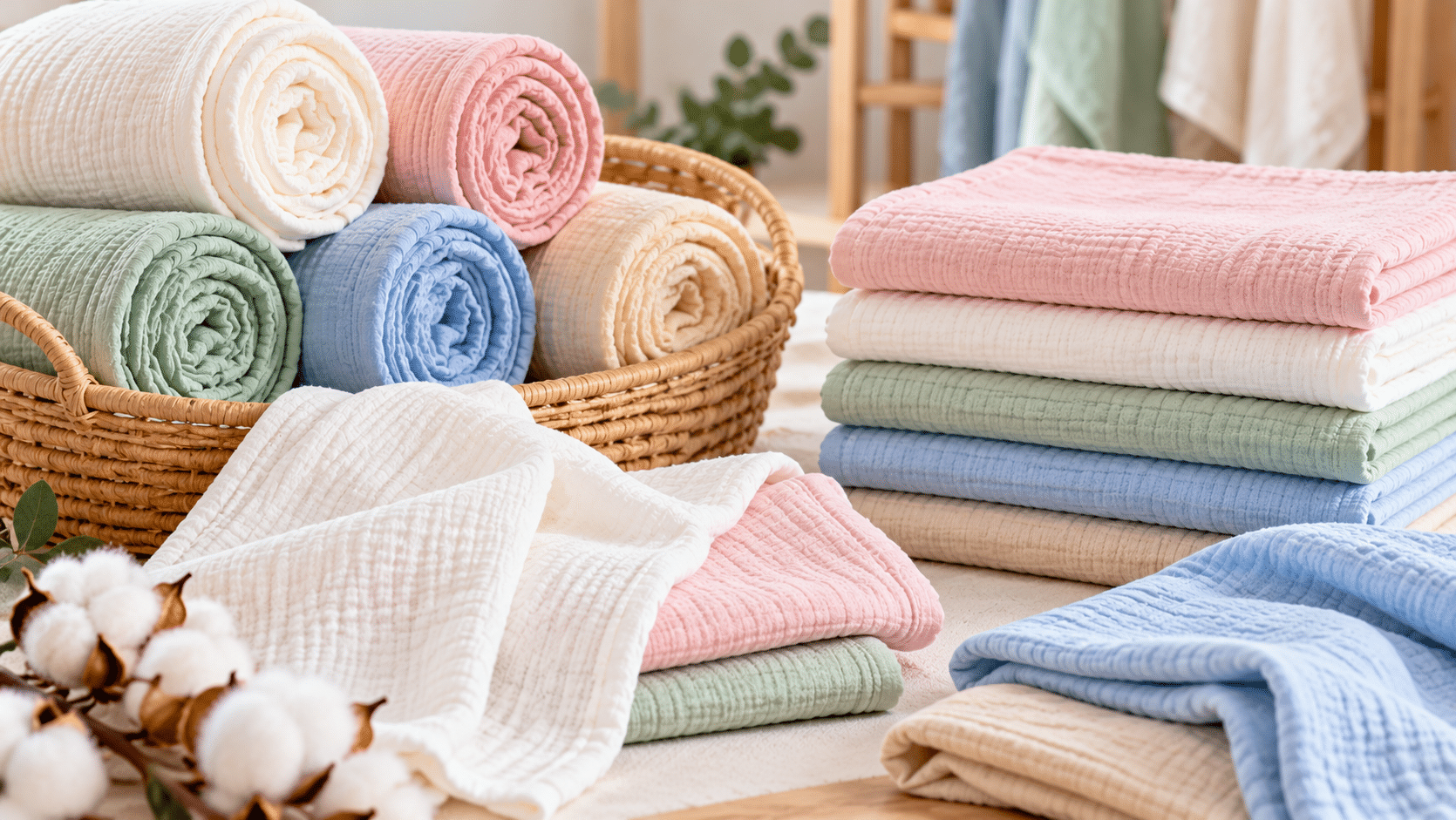
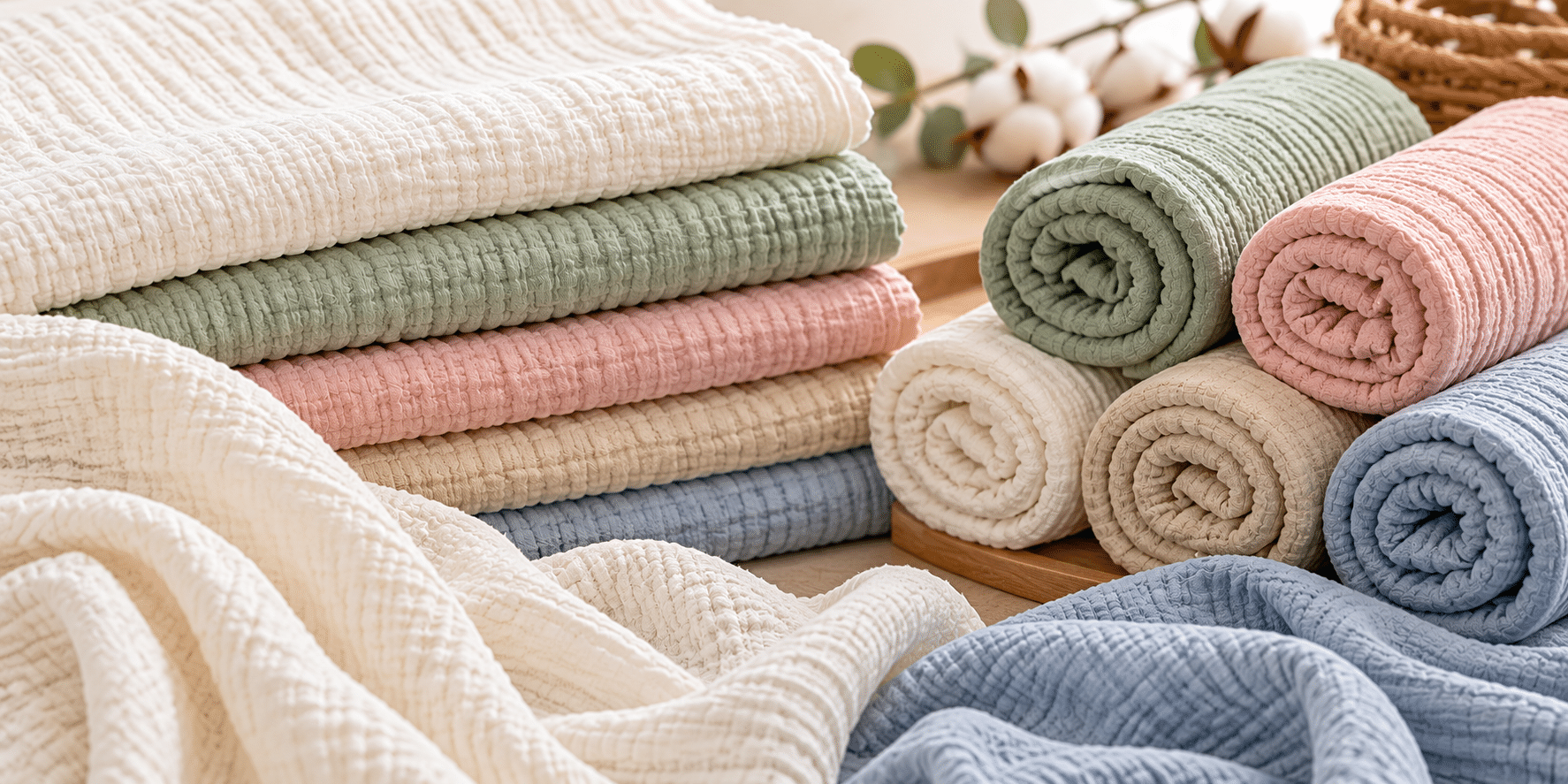
Muslin Crinkle Fabric is crafted from 100% cotton and delicately crinkled, achieving a blend of comfort and softness.

It is designed to transition effortlessly from elegant to casual, and Casa Fashion’s double gauze muslin fabric and crinkled cotton muslin fabric offer this same appeal across applications, including clothing and home décor.

Organic muslin cotton fabric is also available within this line for buyers who want the crinkled texture with organic sourcing.

What Is Muslin Double Cloth Check Fabric?

Muslin Double Cloth Check Fabric is also made from 100% cotton, ensuring softness, breathability, and comfort.

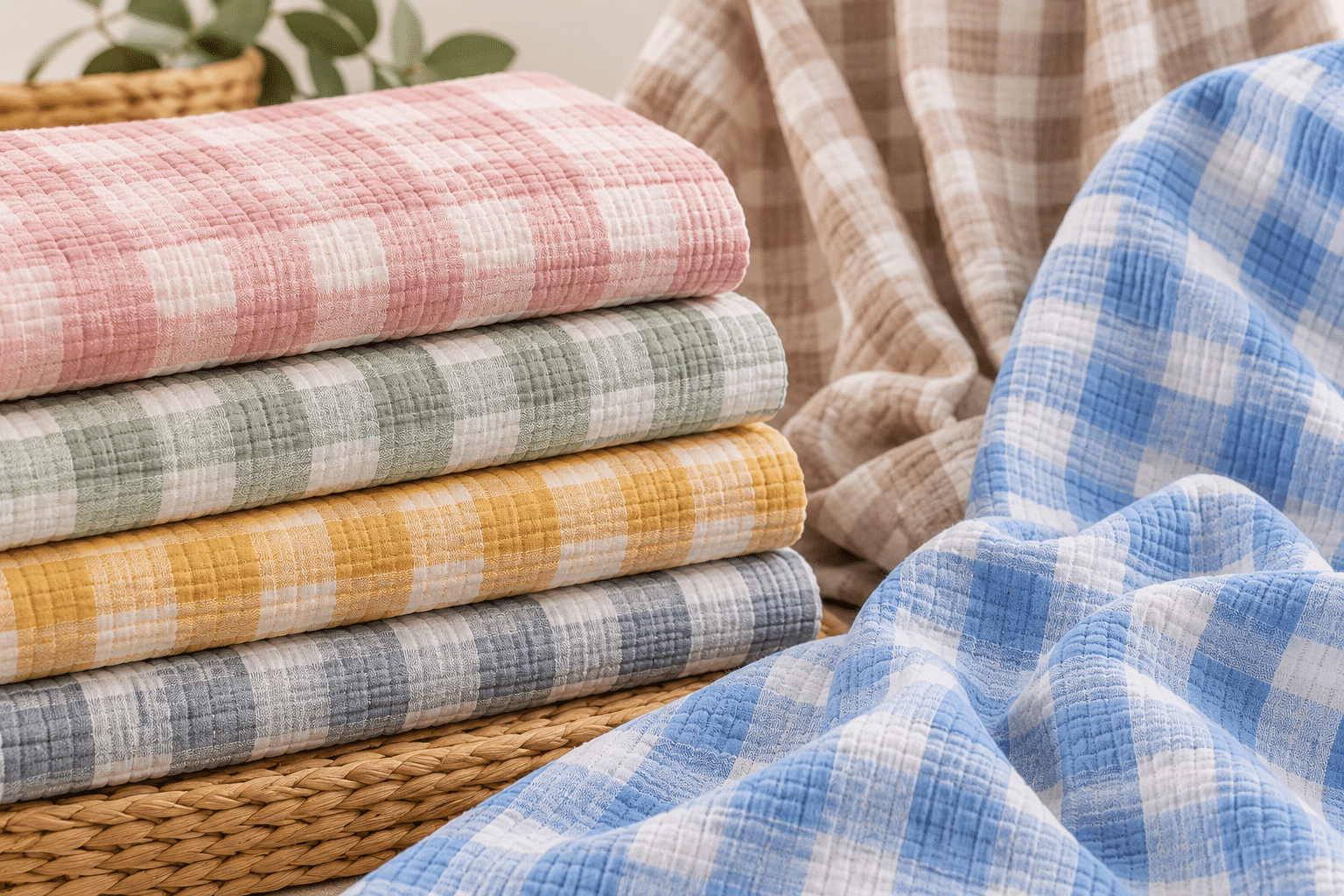
The fabric is skillfully woven, offering a crinkled texture that adds depth and visual appeal, and its defining feature is that it’s available in a variety of check patterns and colors, letting buyers choose the pattern that matches their project.

This line comes in a range of weights, textures, and designs, from light and airy fabrics to heavier, more structured materials, making it adaptable for everything from delicate garments and accessories to sturdier home goods like bedding and curtains.

Casa Fashion also offers this fabric in various widths and lengths, allowing for customized orders that suit specific project requirements.

In addition to the check patterns, this line also comes with double-layered options like Double Gauze Muslin Fabric and Cotton Double Cloth Muslin Gauze Fabric that combine the lightweight, breathable properties of muslin with added thickness, giving a richer texture suited to garments, bed linens, and other home textiles.

Comparing the Two at a Glance

Feature Muslin Gauze/Crinkle Fabric Muslin Double Cloth Check Fabric
Base Material 100% cotton 100% cotton
Texture Delicately crinkled Skillfully woven, crinkled texture
Defining Feature Plain crinkled surface Available in check patterns and colors
Weight Range Lightweight, breathable Light and airy to heavier, structured
Customization Organic cotton option available Custom widths and lengths available
Typical Use Clothing, home décor Garments, curtains, bedding, home textiles, accessories

Why the Weight and Pattern Choice Matters

Muslin Double Cloth Check Fabric is described as ranging from light and airy to heavier and more structured, which means the same check-patterned line can suit a soft, breathable garment as easily as a sturdier home textile project like curtains or bedding.

Muslin Gauze/Crinkle Fabric, by comparison, keeps its focus on the crinkled surface itself, without a check pattern, making it the choice when the texture, not a printed or woven pattern, is meant to carry the design.

Both lines share double-layered construction options such as Double Gauze Muslin Fabric and Cotton Double Cloth Muslin Gauze Fabric, which combine muslin’s natural lightness with added thickness for projects that need more body than a single layer provides.

Which One Should You Choose?

If your product brief calls for a soft, plain crinkled texture for apparel or home décor where the fabric stays understated, the Muslin Gauze/Crinkle line is the straightforward fit.

If your brief calls for a fabric that carries its own visual pattern, a checked look for garments, curtains, bedding, or accessories, the Muslin Double Cloth Check Fabric line is built for that, with pattern, color, weight, and custom width/length all adjustable to the project.

Unsure buyers can request samples of both, since they share the same cotton base and crinkled hand-feel, and compare which surface treatment fits the finished product better.

How Casa Fashion Manufactures Both Lines

Casa Fashion is a GOTS-certified company manufacturing and exporting organic yarns, fabrics, home textiles, baby products, and bags, based in Karur, Tamil Nadu.

Both the Muslin Gauze/Crinkle Fabric and Muslin Double Cloth Check Fabric lines are produced from 100% cotton, with the Double Cloth Check line offered in custom check patterns, colors, widths, and lengths, and the Gauze/Crinkle line available with an organic cotton option.

Casa Fashion exports its fabrics to markets including Europe, the USA, and the Middle East.

If you’re ready to compare samples directly, review Casa Fashion’s Muslin Gauze/Crinkle Fabric page for the plain crinkled range, or the Muslin Double Cloth Check Fabric page to see the current check patterns, colors, and custom sizing options available for bulk or custom orders.

Frequently Asked Questions

Are Muslin Gauze/Crinkle Fabric and Muslin Double Cloth Check Fabric made from the same material?
Yes. Both lines are made from 100% cotton and carry a crinkled texture; the difference is that the Double Cloth Check line is woven with check patterns and colors, while the Gauze/Crinkle line has a plain crinkled surface.
Does Muslin Double Cloth Check Fabric come in different weights?
Yes. It ranges from light and airy fabrics to heavier, more structured materials, suiting everything from delicate garments to sturdier home goods like bedding and curtains.
Can I get custom sizing for Muslin Double Cloth Check Fabric?
Yes. It’s available in various widths and lengths, allowing for customized orders that suit specific project requirements.
Is organic cotton available in the muslin gauze/crinkle range?
Yes. Organic muslin cotton fabric is available within the Muslin Gauze/Crinkle Fabric line.
Do both muslin lines offer a double-layered option?
Yes. Both lines are available with Double Gauze Muslin Fabric and Cotton Double Cloth Muslin Gauze Fabric, which add thickness while keeping the fabric lightweight and breathable.

Ready to Compare Muslin Samples?

Casa Fashion manufactures both Muslin Gauze/Crinkle Fabric and Muslin Double Cloth Check Fabric under GOTS-certified production in Karur, Tamil Nadu.

Request samples of either line, or ask about check patterns, weights, and custom sizing.

Ready to Compare Muslin Samples?

Request samples, discuss your fabric requirements, or ask about check patterns, weights, and custom sizing at mail@casafashions.com , +91 94897 93788 , or +91 99436 70010 .

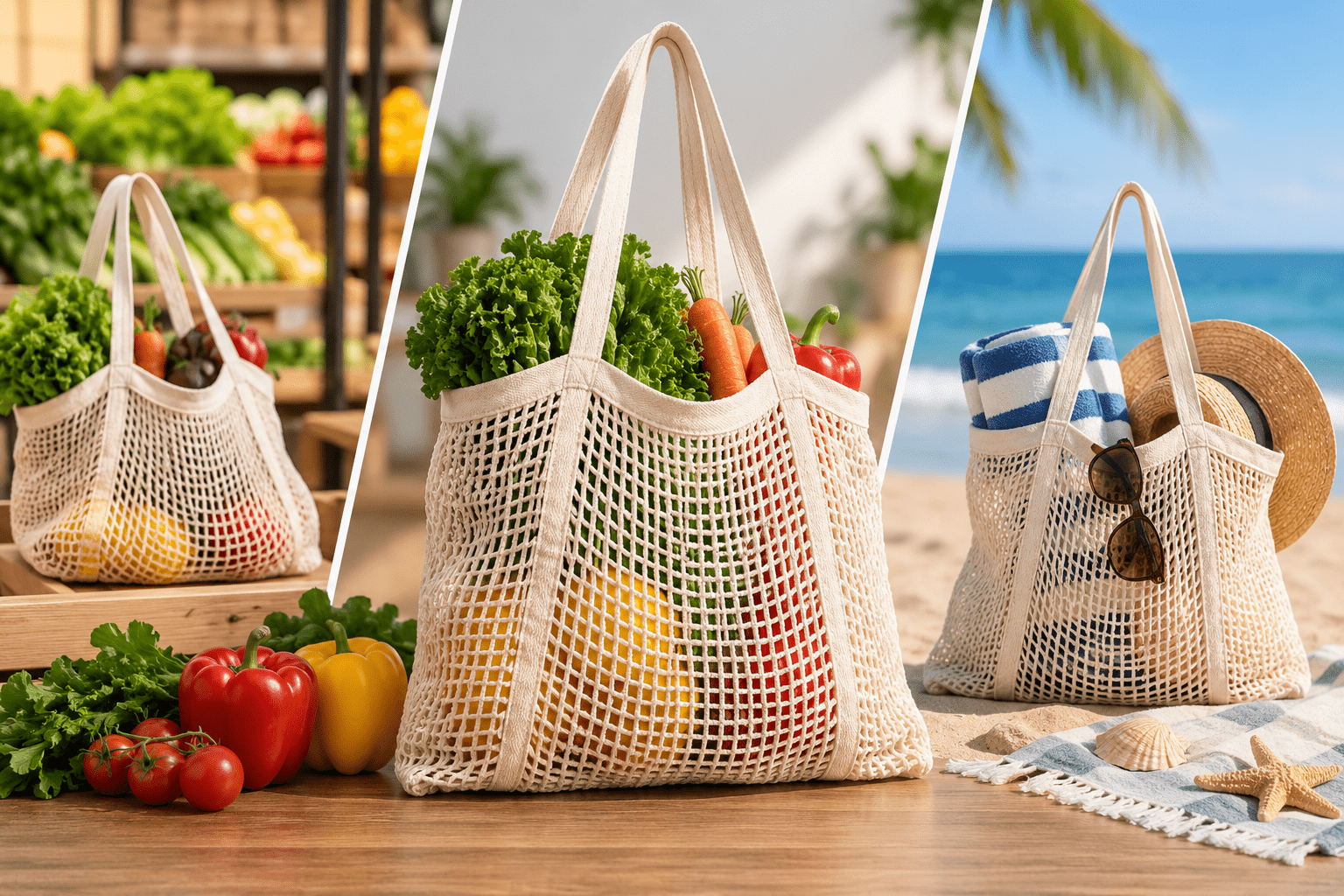
How to Choose the Right GSM Mesh Tote Bag for Shopping, Grocery & Beach Use

Mesh tote bag for shopping, grocery and beach use
Fabric Weight GSM Based
Material 100% Cotton
Construction Open Mesh
Custom Options GSM & Weave

How to Choose the Right GSM Mesh Tote Bag for Shopping, Grocery & Beach Use

Mesh tote bags have become the go-to alternative to plastic for shopping trips, beach days, and everyday errands. But not every mesh tote bag is built the same way, and buyers sourcing in bulk often run into one recurring problem: the bag looks great on day one and then stretches, sags, or tears once it’s loaded with groceries or beach gear.

The difference almost always comes down to two things: the fabric’s GSM and its weave construction. Understanding both before you place an order can save you from a batch of bags that don’t hold up to real-world use.

What Is GSM, and Why Does It Matter for a Mesh Tote Bag?

GSM stands for grams per square meter. It is the standard measurement used across the textile industry for fabric weight and thickness, and in cotton mesh specifically, the GSM range determines how sturdy or delicate the finished bag will be.

A tote bag made from a low-GSM mesh will always feel lighter and airier, while a bag made from a higher-GSM mesh will hold more weight without stretching out of shape. This single specification is one of the first things any serious buyer should confirm with their manufacturer before approving a sample.

GSM Ranges at a Glance

Cotton mesh fabric is generally supplied across three broad GSM bands, each suited to a different type of end use:

GSM Range Fabric Character Best Suited For
Low GSM (80–120) Very light, thin, and airy Produce bags, wrapping materials, laundry bags where minimal weight matters
Medium GSM (120–180) Balanced weight with good structure Tote bags, kitchen linens, baby bibs, and general home textiles
High GSM (180–250) Thick and sturdy Grocery bags, storage organizers, and products that need to hold significant weight without stretching or tearing

For a mesh tote bag that will regularly carry groceries, beach essentials, or shopping items, the medium-to-high GSM range is where most buyers should be focusing their sourcing conversation, since this is the band built for genuine load-bearing, everyday use rather than light wrapping or single-use packaging.

Why the Weave Construction Matters Just as Much as GSM

GSM alone doesn’t tell the whole story. The weave pattern used to construct the mesh directly affects how the fabric behaves under load and after repeated washing.

Plain Weave

Produces consistent, evenly spaced holes and is easy to produce cost-effectively for high-volume orders, making it a common choice for standard mesh totes.

Leno Weave

Locks the threads in place so the holes do not shift during use or washing, which adds real structural stability to a bag that’s going to be stretched and reloaded again and again.

Knit Construction

Creates a fabric that moves with the product and recovers its shape after stretching, which suits totes that need a bit of give without losing form.

Because GSM and weave construction work together, buyers sourcing in bulk should always ask their manufacturer to confirm the weave type alongside the GSM specification. Knowing one without the other only gives you half the picture of what you’re actually ordering.

What a Well-Built Mesh Tote Bag Should Deliver

A mesh tote bag intended for shopping, grocery runs, or beach trips needs to do more than just look eco-friendly; it needs to perform under real conditions.

A well-built mesh tote should combine a breathable, lightweight structure with a build that can withstand daily wear and tear, spacious compartments for carrying groceries or beach essentials like towels and sunscreen, and sturdy handles that hold up when the bag is fully loaded.

The open, netted design also has a practical everyday benefit: sand and water shake out easily, which is exactly why mesh totes have become the preferred choice for beach bags as well as grocery shopping.

How Casa Fashion Manufactures Mesh Tote Bags

Casa Fashion is based in Karur, Tamil Nadu, one of India’s most established textile manufacturing regions, and manufactures its cotton mesh fabric and mesh tote bags as a GOTS-certified company.

Every mesh tote bag is crafted from 100% pure cotton, and the mesh fabric itself is available across low, medium, and high GSM ranges to match different end-use requirements.

Buyers can request custom specifications, including hole size, thread count, and fabric width, and Casa Fashion offers flexible MOQ options for both sampling and bulk production, along with export experience across Europe, the United States, and the Middle East.

If you’re sourcing mesh tote bags for shopping, grocery, or beach-use products, it’s worth reviewing Casa Fashion’s Mesh Tote Bag Manufacturer in India page to see the current range, or the broader 100% Mesh fabric category for other mesh-based product options.

For a deeper look at mesh types and weave patterns before you finalize a specification, the related guide on Cotton Mesh Fabric: Everything a Buyer Needs to Know Before Sourcing covers this in more detail.

Getting the Spec Right Before You Order

The most reliable way to avoid a batch of mesh tote bags that underperform is to treat GSM and weave construction as a package, not a single number.

Before approving any sample, confirm the GSM band that matches your intended use, ask which weave construction is being used and why, and request a sample in the exact specification you plan to order in bulk, not a lighter “showroom” version.

This is the same due-diligence approach Casa Fashion recommends to its own buyers, and it applies whether you’re sourcing a handful of sample bags or a full container for export.

Frequently Asked Questions

What does GSM mean in a mesh tote bag?
GSM stands for grams per square meter, the standard measurement of fabric weight and thickness. It tells you how sturdy or delicate the mesh will be, which is why it’s the first spec to confirm with your manufacturer.
What GSM should I choose for a grocery or shopping tote?
Medium GSM (120–180) gives a balanced weight with good structure, which is the range used for tote bags, kitchen linens, and general home textiles. High GSM (180–250) is thicker and sturdier, built for bags that need to hold significant weight without stretching or tearing.
Does the weave pattern affect how long a mesh tote bag lasts?
Yes. Plain weave gives consistent, evenly spaced holes and works well for standard totes. Leno weave locks the threads in place so the holes don’t shift during use or washing, adding extra structural stability. Knit construction moves with the product and recovers its shape after stretching.
Are Casa Fashion’s mesh tote bags certified?
Yes. Casa Fashion is a GOTS-certified company, and its mesh tote bags are crafted from 100% pure cotton at its facility in Karur, Tamil Nadu.
Can I get a custom GSM or size for my mesh tote bag order?
Yes. Casa Fashion accepts custom specifications including hole size, thread count, and fabric width, and offers flexible MOQ options for both sampling and bulk production.

Ready to Source the Right Mesh Tote Bag?

Casa Fashion manufactures GOTS-certified cotton mesh tote bags in Karur, Tamil Nadu, with GSM and weave specifications matched to your product’s end use.

Ready to Source the Right Mesh Tote Bag?

Reach out to discuss samples, GSM options, or a bulk quote at mail@casafashions.com , +91 94897 93788 , or +91 99436 70010 .

Cotton Mesh for Produce Packaging: A Sustainable Alternative to Plastic Netting

Cotton mesh produce packaging bags sustainable alternative to plastic netting
Sustainable Material Natural Cotton
Breathable Structure Open Weave
Reusable Packaging Washable
Produce Ready Strong & Durable

Cotton Mesh for Produce Packaging: A Sustainable Alternative to Plastic Netting

Plastic netting has packed fruits and vegetables for decades, but it is failing the sustainability test that grocery buyers and agri-exporters now run against every material on a packing list. Cotton mesh for produce packaging is stepping into that gap, and Casa Fashions has been fielding more requests for it every quarter from packers who need an alternative that actually performs. Unlike plastic netting, cotton mesh lets produce breath, biodegrades instead of piling up in landfill, and still holds up to the weight of a fully loaded bag of oranges or onions on a loading dock.

What Is Cotton Mesh Packaging, Exactly?

Cotton mesh is a loosely woven, open-structure cotton fabric built specifically to let air move through a packed bag while still holding produce securely during handling, stacking, and transport.

It gets cut and stitched into produce bags, pouches, and export-grade mesh sacks, doing the same holding job as plastic netting without a single synthetic fibre anywhere in the construction.

Because it is woven rather than extruded like plastic mesh, it can be produced in food-contact-safe cotton with no coating or chemical treatment needed to make it packaging-ready, which simplifies compliance checks considerably for teams shipping across borders.

It also takes dye and stamped branding without needing a plastic laminate layer, something plastic mesh cannot offer.

Cotton Mesh vs Plastic Netting: The Quick Comparison

Factor Cotton Mesh Plastic Netting
End of life Biodegrades in months Persists for decades
Breathability High, reduces trapped moisture Moderate, can trap condensation
Food contact Naturally food-safe fibre Often needs added certification checks
Reusability Washable and reusable Usually single-use
Microplastic risk None Sheds fragments over time

Why Produce Actually Stays Fresher in Cotton Mesh

Trapped moisture is one of the fastest ways to spoil fruit and vegetables in transit, and it is exactly where plastic netting quietly underperforms compared to its cotton counterpart.

Plastic holds its shape well but does not breathe evenly across the whole surface, so condensation can build up against whatever produce happens to be sitting closest to the bag wall during a long haul.

Cotton mesh, being an open weave from edge to edge, keeps air circulating whatever it holds, whether that is citrus at a packing house or root vegetables headed to a grocery distribution centre.

This airflow can help slow the onset of mold, softening, and early spoilage during longer transit windows and warehouse storage.

Where Exporters and Grocers Are Already Switching

  • Agri-export packers moving citrus, onions, and garlic through cold chains where breathability directly affects shelf life.
  • Grocery chains replacing plastic net bags at the produce counter with reusable cotton mesh bags for shoppers.
  • Farmers market vendors and CSA box programs that want packaging their customers can compost at home.
  • Gift hamper and specialty food brands using cotton mesh for a premium, sustainable unboxing experience.

What to Check Before Switching Your Packaging Line

Not every cotton mesh on the market is built for food contact at export volume, so a packaging changeover deserves the same diligence as any supplier switch.

Buyers should confirm the weave GSM suits the product weight it will actually carry, ask for certification such as GOTS, and test the mesh under real loading conditions on a loading dock rather than relying on a single display sample.

Casa Fashions manufactures its cotton mesh fabric range to these same specifications for both retail-facing and export packaging orders, so the sample you test is the same weave you scale.

Why Packaging Buyers Work With Casa Fashions

Casa Fashions is a GOTS-certified manufacturer based in Karur, India, producing cotton mesh alongside our wider fabric and bag range.

This includes cotton mesh produce bags built specifically for holding fruits and vegetables from farm to shelf.

Every batch is tested for weave strength before it ships, so exporters are not left guessing whether a bag will hold up under real cargo weight.

Frequently Asked Questions

Is cotton mesh strong enough for heavy produce like potatoes or onions?
Yes, when the GSM and weave density are matched to the load. Export-grade cotton mesh is built to hold the same weight as plastic netting without tearing under normal handling.
Does cotton mesh packaging cost more than plastic netting?
Per unit, it can run slightly higher, but reusable and compostable mesh often works out cheaper across a season once waste disposal and rebuy costs are factored into the total.
Can cotton mesh be printed with a brand logo for retail packaging?
Yes. The weave takes screen printing and stamped branding well, which is why grocery and gift-hamper brands use it as both packaging and a visible sustainability statement on shelf.

The Packaging Shift Buyers Can No Longer Postpone

Plastic netting was never designed with a producer’s sustainability targets in mind; it was designed to be cheap and disposable at a time when nobody was counting the cost of either.

Cotton mesh for produce packaging gives agri-exporters and grocery buyers a material that does the same holding job while actually standing up to scrutiny on shelf life, food safety, and end of life.

Ready to Make the Switch to Cotton Mesh Packaging?

If your packaging line is due for a review, request a sample of Casa Fashions’ cotton mesh packaging and test it against your current netting before your next production cycle.

Why Fashion Designers Are Choosing Crinkled Muslin Over Linen for Resort Wear

Crinkled muslin fabric for resort wear collections
Lightweight Fabric 90–150 GSM
Natural Fibre 100% Cotton
Resort Ready Soft & Airy
Easy Care Low Ironing

Why Fashion Designers Are Choosing Crinkled Muslin Over Linen for Resort Wear

Crinkled muslin is fast becoming the fabric of choice for resort-wear designers who want relaxed movement, natural texture, and a lightweight drape that holds up in warm climates, and Casa Fashion has watched this shift closely as a leading crinkled muslin fabric manufacturer in India. While linen remains a strong option for structured silhouettes, crinkled muslin offers a softer hand-feel and a naturally textured surface that needs little ironing, making it ideal for kaftans, beach cover-ups, and layered resort pieces.

Why Fabric Selection Matters in Resort-Wear Collections

Every resort-wear collection depends on how the fabric moves. Silhouette, drape, and texture aren’t afterthoughts in warm-weather design; they are the design. A kaftan cut from a stiff fabric loses the effortless quality that defines the category, and a cover-up in a heavy weave clings and overheats instead of floating.

Resort wear is fabric-led rather than pattern-led, so designers often choose the material first and let it dictate the silhouette. The fabric also has to perform in real conditions—humidity, sun exposure, sand, and repeated washing between wears on a trip—so a material that looks beautiful on the runway but stiffens after one wash rarely solves the problem the category exists for.

Casa Fashion, a Karur-based manufacturer with years of weaving expertise, works closely with apparel brands to match fabric choice to design intent from the earliest sampling stage.

What Makes Crinkled Muslin Different From Regular Muslin?

Crinkled muslin starts as standard plain-weave cotton muslin and is finished with a controlled crinkling process that permanently sets a textured, puckered surface into the cloth. Unlike a pressed crease, this texture is mechanically set into the weave, so it survives normal wear and washing.

The result is a fabric with built-in visual texture, minimal ironing needs, and a slightly looser, airier drape than flat-woven muslin—typically falling in the 90–150 GSM range for apparel use.

Brands exploring this category can review the Muslin Gauze/Crinkle Fabric range to compare finish and weight options before sampling.

Crinkled Muslin vs Linen: What Should Designers Consider?

Attribute Crinkled Muslin Linen
Fibre composition 100% cotton Flax fibre
Surface texture Permanent, set crinkle Natural slubby texture
Drape Soft, fluid Crisper, structured
Weight (GSM) 90–150 GSM 130–200+ GSM
Wrinkle behavior Texture masks creasing Wrinkles visibly
Best for Flowing, unstructured garments Tailored, structured garments

Neither fabric is universally better—each solves a different design problem. Crinkled muslin wins when the brief calls for softness and movement; linen wins when the brief calls for crispness and structure.

Why Crinkled Muslin Works Well for Resort Wear

Kaftans and relaxed dresses depend entirely on fabric movement, and crinkled muslin’s texture adds visual dimension to an otherwise simple cut while letting the garment fall naturally.

Beach cover-ups need breathability and quick drying. The slightly open weave from crinkling improves airflow, and the low GSM keeps the garment light over wet skin.

Resort tunics and shirts benefit from a relaxed rather than tailored fit—the fabric holds a loose shape without interfacing, and the texture reads as intentional design.

Layering pieces, including overshirts and wrap-style garments, stay wearable in warm climates because crinkled muslin adds texture without adding bulk.

When Linen May Be the Better Choice

Crinkled muslin isn’t right for every piece. Structured resort trousers, shirt-jackets, or designs where linen’s characteristic slub texture is the design statement are usually better served by linen’s firmer hand and higher GSM. The decision should follow construction and design intent rather than a blanket preference.

How to Choose the Right Crinkled Muslin

Before bulk production, brands should confirm: GSM, usable fabric width, weave type, crinkle intensity, colour consistency across dye lots, shrinkage behavior, and wash performance of the crinkle texture.

Sample-to-bulk consistency should always be verified against the approved swatch, not assumed, and it is worth requesting these specifications in writing rather than a verbal agreement.

Casa Fashion’s team —a GOTS-certified, women-led manufacturing operation—supports designers through this specification process from swatch to final production sheet.

Why Brands Should Test the Fabric Before Bulk Production

A structured pre-production process protects design intent and budget:

  1. Swatch evaluation for hand-feel, colour, and texture.
  2. A garment prototype to assess drape and fit.
  3. Wash and shrinkage testing after laundering.
  4. Drape assessment on a body or mannequin.
  5. Colour and finish sign-off before bulk dyeing.
  6. A locked specification sheet covering GSM, width, and shrinkage tolerance.

Skipping these steps is the most common reason bulk shipments don’t match the sample.

Frequently Asked Questions

Is crinkled muslin good for resort wear?
Yes—it is lightweight, breathable, and the textured surface suits relaxed silhouettes like kaftans, cover-ups, and tunics.
Is crinkled muslin better than linen for kaftans?
Generally yes, since its lighter weight and softer drape allow freer movement, though linen can work for more structured kaftan designs.
What GSM is suitable for apparel?
Typically 90–150 GSM, with lighter weights for cover-ups and heavier weights for dresses and tunics.
Can crinkled muslin be customised?
Yes—crinkle intensity, GSM, width, and colour can usually be customised, subject to minimum order quantities.
What should designers check before ordering in bulk?
Shrinkage rate, dye-lot colour consistency, sample-to-bulk match, and wash performance of the crinkle finish.

Conclusion

Crinkled muslin earns its place in resort-wear collections wherever softness and movement matter more than structure, while linen still suits more tailored resort silhouettes.

The right choice always follows the garment’s construction and design intent. Before scaling into bulk production, request a sample, run it through a full prototype and wash cycle, and lock specifications on a formal production sheet.

Ready to Test Crinkled Muslin for Your Next Collection?

Get in touch with Casa Fashion to request fabric samples and discuss GSM, width, and crinkle-intensity options for your design brief.

Beyond the Swaddle: Why Multi-Layer Muslin Is the Fabric of Modern Nurseries

Cotton Double Cloth Muslin Gauze Fabric for Modern Nurseries
Breathable Fabric Lightweight & Airy
Natural Material 100% Cotton
Multi-Layer Design Added Structure
Nursery Ready Soft & Durable

Beyond the Swaddle: Why Multi-Layer Muslin Is the Fabric of Modern Nurseries

Walk into any nursery being set up this year, and you will notice something. The single-layer swaddle that ruled baby registries for a decade is sharing shelf space with something sturdier. Cotton Double Cloth Muslin Gauze Fabric has moved from a niche request to the default choice for brands making blankets, bibs, burp cloths, and sleep sacks. At Casa Fashions , we have watched this shift happen from the loom up, and it tells us what nurseries really want from fabric today: comfort that survives more than the first wash.

One Weave, Two Layers, and a Completely Different Fabric

Muslin has always been loved for being light and airy, but a single layer of plain weave has a real limit. It snags, thins with repeated washing, and lets too much light through when a baby needs actual coverage. Multi-layer muslin fabric solves this by fusing two or more layers of the same open weave into one cloth, joined during weaving rather than stitched on afterward. The result is a soft cotton muslin fabric that keeps the airiness of the original weave while gaining real body and drape. Our Cotton Double Cloth Muslin Gauze Fabric holds its shape wash after wash instead of turning limp and sheer, the way thin single-sheet muslin does.

Why Nurseries Are Asking for Breathable Layers, Not Just Soft Ones

Ask any pediatric guidance and the same word keeps coming up: breathable. The American Academy of Pediatrics advises dressing infants in breathable layers or a wearable blanket rather than loose, heavy bedding, since trapped heat and poor airflow carry real risk during sleep. Double gauze is woven loosely, with tiny air pockets between the layers, so it moves warm air away from a baby’s skin instead of holding it in, something a thick layer of flannel or fleece cannot match.

Does Adding Layers Make the Fabric Less Breathable?

Not if it is woven correctly, and this is usually the first question buyers ask us. Layering does not automatically mean less airflow; it depends on how tightly the layers sit together. A properly constructed double-layer muslin gauze fabric keeps the open, criss-cross structure of each layer intact, so air still passes through even with two layers stacked. That difference separates fabric that smothers comfort from fabric that simply adds durability.

From the Crib to the Changing Table: Where Multi-Layer Muslin Actually Works

Multi-layer cotton fabric for baby products rarely stays confined to one item anymore. Brands build entire nursery ranges around it, and each product leans on the layering differently.

  • Swaddle wrappers use the top layer’s softness against skin, while the second layer adds just enough weight to hold a proper wrap.
  • Burp pads and baby bibs need real absorbency, so the extra layer works like a built-in cushion against spit-up.
  • Baby sleeping bags use the fabric’s warmth without added weight, following safe sleep guidance favouring wearable layers over loose blankets.
  • Nursery blankets and play mats get their structure from the same double cloth construction, holding shape instead of bunching.

Each use case shows why muslin fabric for baby products has become a category of its own, well beyond the original swaddle cloth.

What to Look for When Sourcing Multi-Layer Muslin

Sourcing multi-layer muslin at production scale is different from buying a metre of fabric for one project. Before you commit to a supplier, check these points:

  • Consistency across batches, so GSM and shrinkage do not shift from one production run to the next.
  • Genuine 100% cotton content, not a cotton-poly blend passed off as muslin.
  • Certifications that back up sustainability claims, such as the ones behind our organic fabric manufacturing , aligned with standards like GOTS.
  • A weave dense enough for durability but still open enough to stay breathable.

What Casa Fashions Brings to Every Roll of Double Cloth Muslin

Every roll leaving our Karur facility is built to be genuinely baby-friendly muslin fabric first, checked for softness, breathability, and durability before it reaches a cutting table. Decades of weaving experience mean we catch issues in the greige fabric before they ever become a complaint from a nursery brand’s customer.

Frequently Asked Questions

Is double-layer muslin warmer than single-layer muslin?
Yes, moderately. The second layer adds insulation without sacrificing airflow, so it suits both summer swaddles and cooler-season blankets.
Is multi-layer muslin safe for a newborn’s sensitive skin?
Yes. It is made from combed cotton, so it stays soft and breathable against delicate skin, softening further with every wash instead of turning stiff.
How is Cotton Double Cloth Muslin Gauze Fabric different from ordinary double gauze?
The double cloth construction locks the two layers together during weaving, not stitched on afterward, giving it a more even drape and better wash durability.
Can multi-layer muslin be used beyond swaddles?
Definitely. It works well in bibs, burp pads, sleeping bags, blankets, and nursery decor, anywhere softness needs to be paired with structure.

The Nursery Fabric Conversation Has Moved On

Swaddles started the muslin story, but they are no longer the whole of it. Nurseries this year are built around fabric that can do more: layered, breathable, durable enough for years of laundry, yet soft enough for day one. That is precisely the gap Cotton Double Cloth Muslin Gauze Fabric fills, and it is why Casa Fashions keeps refining the weave, roll after roll.

If your brand is ready to source multi-layer muslin nurseries that will actually keep reaching for, get in touch with Casa Fashions .