
Eco-Friendly Baby Changing Mat Manufacturer in India – Safe for Babies

How European Baby Brands Source Safe & Sustainable Changing Mats — and Why India is Their First Choice

The European Baby Products Market and Its Evolving Standards

Europe has long been regarded as the gold standard when it comes to baby product safety. Parents across Germany, France, the Netherlands, and Scandinavia are among the most informed and quality-conscious consumers in the world. When it comes to products that directly contact their babies’ skin, particularly changing mats, they demand nothing short of excellence.

Over the past decade, European baby brands have tightened their sourcing criteria considerably. Products must meet REACH regulations, which restrict hazardous chemical substances. They must comply with EN 71 safety standards. They must be free from phthalates, BPA, lead, and other toxic compounds. And increasingly, they must also meet ESG (Environmental, Social, Governance) commitments that their retail partners and end consumers are actively watching.

This shift hasn’t just affected what materials go into a changing mat. It has completely transformed where European brands choose to manufacture them.

Why Sourcing Decisions Have Shifted Beyond Europe’s Own Borders

For many years, European baby brands sourced locally or from nearby Eastern European factories. However, rising labour costs, material constraints, limited manufacturing scale, and a lack of specialised textile expertise have pushed brands to look further afield.

China was the dominant sourcing destination for a long time. But concerns around transparency, inconsistent quality audits, intellectual property risks, and the environmental footprint of long supply chains have made brands increasingly cautious. Retailers and parent consumers alike began asking harder questions and brands had to find better answers.

This is where India entered the picture, and not just as an alternative. For the specific product category of baby changing mats, India has quietly built a manufacturing ecosystem that is remarkably well suited to what European brands actually need.

What Makes a Baby Changing Mat “European-Grade”?

Before understanding why India is the preferred choice, it is important to define what European brands are actually looking for in a changing mat.

Material Safety is the first filter. Changing mats are typically made from PVC, foam core with fabric covers, or waterproof coated cotton and polyester blends. European brands require materials that are tested and certified to be free from harmful substances. This includes third party lab testing, not just factory declarations.

Ergonomic Design matters too. A good changing mat must have raised side edges to prevent rolling, a contoured surface for baby comfort, and non slip backing for surface stability. European brands have moved beyond flat, basic pads. They want thoughtful design backed by product engineering.

Sustainability is now a core procurement criterion. Brands want to know about the carbon footprint of manufacturing, whether dyes and coatings are water based and non toxic, what the packaging materials are made from, and whether the factory follows ethical labour practices.

Customisation Capability is the final factor. European brands rarely want generic products. They need their own colours, prints, logo placement, size variations, and often exclusive design signatures. This requires manufacturing partners with both flexibility and design literacy.

India’s Manufacturing Ecosystem: Built for This Moment

India’s textile and soft goods manufacturing sector has been evolving for decades. What once served primarily as a garment export hub has matured into a sophisticated supply chain covering everything from technical fabrics to lifestyle baby products.

Several structural advantages make India particularly compelling for European baby brands sourcing changing mats.

Access to Raw Materials: India is one of the world’s largest producers of cotton and has a well developed synthetic textile industry. This means manufacturers have direct access to quality raw materials without the additional cost and lead time of importing base fabrics.

Skilled Craftsmanship with Scale: Indian manufacturers combine hand finishing quality with the ability to scale production. This is particularly valuable for baby product brands that may need small initial runs for market testing and then rapid scale up for retail launches.

Competitive Pricing Without Compromising Quality: Labour costs in India remain competitive relative to Europe, but more importantly, the skill level has risen dramatically. European brands get better value without having to sacrifice material quality or finishing standards.

Regulatory Alignment: Many Indian manufacturers, especially those exporting to European markets, are already familiar with REACH, OEKO-TEX, and GOTS certifications. They invest in third party testing, factory audits, and documentation because their clients require it.

Design and Development Services: Indian manufacturers increasingly offer in house design support, which means European brands can develop new SKUs faster and at lower development cost. For a category like changing mats, where seasonal prints and colourways are important for retail, this is a significant advantage.

The Sustainability Factor: India’s Green Manufacturing Push

Sustainability is no longer a differentiator for European baby brands. It is a baseline requirement. And this is an area where India’s manufacturing sector has made visible, verifiable progress.

Many factories now operate with water recycling systems, use azo free and formaldehyde free dyes, and have moved toward renewable energy in production. For baby products specifically, manufacturers working with European clients have adopted waterproofing methods that use water based polyurethane coatings rather than PVC heavy processes, significantly reducing the chemical load in the finished product.

OEKO-TEX Standard 100 certification, which tests every component of a product for harmful substances, has become a standard expectation. Indian manufacturers in the baby category are increasingly certified at both the fabric and finished goods level.

This alignment between what Europe requires and what progressive Indian manufacturers offer has made the sourcing relationship not just viable but genuinely strategic.

Why Casa Fashion Stands Out as a Baby Changing Mat Manufacturer and Supplier in India

Among the manufacturers that European brands have come to trust, Casa Fashion has built a distinctive reputation. As a dedicated baby changing mat manufacturer and supplier in India, Casa Fashion understands that the product it makes sits at the intersection of safety, comfort, and design, and that none of these can be compromised.

Casa Fashion works with waterproof fabrics that are tested for skin safety, uses foam cores that meet density and durability standards, and offers a complete range of changing mat formats from portable travel mats to full sized contoured designs with side guards.

What sets Casa Fashion apart is its approach to European brand partnerships. Rather than offering a catalogue of fixed products, the company works collaboratively on development, allowing brands to customize dimensions, prints, cover fabrics, and packaging to match their retail and brand identity requirements. Sampling turnaround is fast, MOQs are flexible for new product launches, and quality documentation is provided as standard.

Sustainability is embedded in Casa Fashion’s production practices. Materials are sourced from certified suppliers, and the company is aligned with the growing demand for responsible manufacturing across global baby product supply chains.

Choosing the Right Baby Changing Mat Manufacturer and Supplier in India for Your Brand

For European baby brands evaluating sourcing partners, the checklist is clear: certifications, transparency, design capability, production flexibility, and a genuine understanding of what the European parent consumer expects.

Casa Fashion ticks each of these boxes as a trusted baby changing mat manufacturer and supplier in India. Whether a brand is launching its first changing mat line or looking to migrate production from a less reliable source, Casa Fashion offers the combination of quality assurance, customisation depth, and partnership mindset that serious brands require.

The process of working with Casafashion typically begins with a detailed brief covering materials, dimensions, design intent, certification requirements, and target retail price point. From there, the team moves quickly into sampling, with revisions handled efficiently and without the friction that often slows down cross border development cycles.

Conclusion

The European baby products market has never been more demanding or more discerning. Brands that want to compete on quality, safety, and sustainability need manufacturing partners who genuinely understand those values, not just partners who tick boxes on a checklist.

India has earned its place as the preferred sourcing destination for baby changing mats not by undercutting on price, but by rising to meet the standards that European brands and their consumers actually care about. From material safety to sustainable production to design capability, the best Indian manufacturers are not just keeping pace with global expectations. They are helping define them.

For brands ready to build or strengthen their changing mat range with confidence, Casa Fashion, a leading baby changing mat manufacturer and supplier in India offers the expertise, the infrastructure, and the commitment to quality that turns a sourcing decision into a long term competitive advantage.

Leading Linen Textile Manufacturers in India – Sustainable & High-Quality

The Role of Linen Fabric in the Modern Textile Supply Chain

Linen fabric has held a prominent place in the textile industry for centuries, admired for its natural texture, durability, and elegance. In modern times, it has become more than just a luxurious choice for fashion and home textiles it has evolved into a critical component of the global textile supply chain. Linen’s versatility, sustainability, and premium quality make it highly sought after by manufacturers, designers, and retailers worldwide.

India, with its rich textile heritage and skilled manufacturing capabilities, has emerged as a global leader in producing high-quality linen fabrics. Indian manufacturers offer an extensive range of linen products, catering to diverse markets, including fashion, home décor, and hospitality. This article explores the journey of linen fabric in today’s textile supply chain, highlighting its production, applications, and why India continues to be a key player in this sector.

Understanding Linen Fabric

Linen is made from the fibers of the flax plant and is celebrated for its strength, breathability, and natural luster. Unlike cotton, linen fibers are stiffer and more resilient, resulting in fabrics that are not only durable but also eco-friendly. Linen’s ability to regulate temperature and its hypoallergenic properties make it ideal for clothing, home textiles, and luxury applications.

The popularity of linen fabric has surged due to growing consumer awareness of sustainable textiles. As more brands adopt environmentally responsible practices, linen’s natural and biodegradable qualities make it a preferred choice over synthetic alternatives.

Linen in the Modern Supply Chain

The modern textile supply chain is a complex ecosystem involving fiber sourcing, spinning, weaving, dyeing, finishing, and distribution. Linen fabric occupies a unique position within this chain due to its premium nature and multi-industry applications.

Sourcing and Cultivation

Linen begins with the cultivation of flax plants. Flax requires careful attention to soil quality and climate to produce strong fibers. Manufacturers often source flax from regions with optimal growing conditions to ensure fiber consistency and quality.

Fiber Processing

Flax fibers undergo retting, drying, and scutching to extract the usable fibers. These steps are crucial to maintaining the strength and fineness of the linen. Processing quality directly influences the texture and durability of the final fabric.

Spinning and Weaving

Once prepared, flax fibers are spun into yarn and woven into fabric using specialized machines. Different weaving techniques produce textures suitable for apparel, upholstery, and home textiles. Precision in spinning and weaving ensures uniformity and resilience, which are essential for maintaining quality standards.

Dyeing and Finishing

Linen fabrics are dyed and finished to enhance appearance, softness, and usability. Eco-friendly dyeing methods are increasingly popular among manufacturers, reducing water consumption and environmental impact. Finishing treatments add wrinkle resistance, smoothness, and improved drape, elevating linen to premium textile status.

By integrating these steps efficiently, linen fabric manufacturers support a supply chain that delivers high-quality textiles consistently to designers, retailers, and end consumers.

Applications of Linen Fabric

Linen’s durability, breathability, and visual appeal make it versatile across multiple sectors. Some of the primary applications include:

Fashion Industry: Linen is a preferred material for summer clothing, casual wear, and designer collections. Its natural texture gives garments a luxurious feel while providing comfort in warm climates.

Home Textiles: Bedsheets, pillowcases, curtains, and upholstery benefit from linen’s strength and aesthetic appeal. Linen home textiles offer both elegance and longevity, making them a top choice for residential and hospitality use.

Hospitality Sector: Hotels, resorts, and premium accommodations often choose linen for bedding and table linens due to its durability and refined appearance.

Industrial and Specialty Uses: Linen is also used in industrial textiles, canvases, and specialty products where strength and longevity are required.

These applications make linen fabric a strategic material in modern textile supply chains, providing consistent value across industries.

India’s Role in Linen Manufacturing

India has established itself as a hub for high-quality linen production. With a combination of skilled artisans, advanced machinery, and efficient logistics, Indian manufacturers meet both domestic and international demand for premium textiles.

Manufacturers in India focus on producing both bulk linen fabrics for large-scale applications and premium linen textiles for luxury markets. By maintaining strict quality control, they ensure that every batch meets global standards in texture, durability, and finishing.

Indian linen manufacturers are particularly known for:

Consistent fiber quality and weaving precision

Advanced dyeing and finishing techniques

Ability to supply both small-scale custom orders and large bulk shipments

Compliance with sustainable and eco-friendly practices

These capabilities make India a trusted source for Premium linen textile manufacturers in India and Bulk linen fabric manufacturers in India, supplying fabrics to fashion houses, home décor brands, and hospitality businesses around the world.

Advantages of Working with Indian Linen Manufacturers

Partnering with Indian manufacturers offers several strategic advantages:

Cost Efficiency

Competitive pricing allows brands to maintain high quality while managing production costs effectively.

Customization Options

Many manufacturers provide tailored solutions, from thread count and weave patterns to specialized finishes.

Reliability and Timely Delivery

Established supply chains and efficient logistics ensure that bulk orders and urgent shipments are fulfilled promptly.

Sustainable Practices

With increasing focus on eco-friendly textiles, many Indian linen manufacturers implement water-efficient dyeing, chemical-free processing, and biodegradable packaging.

These benefits make India a preferred choice for businesses seeking a reliable source of high-quality linen fabric.

Challenges in the Linen Supply Chain

While linen has many advantages, manufacturers face specific challenges in maintaining a seamless supply chain:

Raw Material Availability: Flax cultivation is limited by climate and soil conditions, making fiber sourcing a critical concern.

Processing Complexity: Linen requires specialized machinery and skilled labor for spinning, weaving, and finishing.

Market Competition: Competing with synthetic alternatives and maintaining cost-effectiveness without compromising quality can be challenging.

Despite these challenges, Indian manufacturers continue to innovate and adapt, ensuring consistent delivery of premium linen fabrics worldwide.

Conclusion

Linen fabric is a cornerstone of the modern textile supply chain, valued for its strength, versatility, and eco-friendliness. Its applications across fashion, home textiles, hospitality, and industrial sectors make it a strategic material for manufacturers and brands alike.

India, with its skilled workforce and advanced manufacturing infrastructure, has become a global leader in producing high-quality linen textiles. Companies such as Casa Fashion exemplify excellence by delivering consistent, premium-quality linen for both bulk and luxury markets.

By combining traditional craftsmanship with modern technology and sustainable practices, Indian linen manufacturers ensure that the supply chain remains efficient, reliable, and responsive to global demand. From fiber cultivation to finished fabric, linen continues to play an indispensable role in shaping the future of textiles worldwide.

From Fabric to Finish: The Craft of Bed Linen Manufacturing

From Fabric to Finish: The Craft of Bed Linen Manufacturing

Bed linen plays a crucial role in creating comfort, elegance, and hygiene in bedrooms across homes, hotels, and resorts. While many people see only the finished bedsheet or pillowcase, the process behind manufacturing quality bed linen involves careful craftsmanship, modern technology, and strict quality control. From selecting the right cotton fibers to finishing the final product, every stage contributes to durability, softness, and visual appeal.

India has become one of the global leaders in textile manufacturing, especially in cotton-based home textiles. The country’s rich textile heritage, skilled workforce, and advanced manufacturing facilities make it a preferred destination for buyers around the world. This article explores the journey of bed linen production from raw fabric to the finished product and explains why Indian manufacturers continue to set high standards in quality and reliability.

The Importance of High-Quality Bed Linen

Bed linen is more than just a decorative element for a bed. It directly affects comfort, sleep quality, and hygiene. High-quality bed linen provides breathability, softness, and long-lasting durability, which are essential for both residential use and hospitality industries.

Hotels and resorts especially depend on premium bed linen to deliver an excellent guest experience. Guests often associate soft sheets and well-maintained bedding with luxury and cleanliness. As a result, hospitality businesses look for trusted manufacturers who can supply high-quality bed linen in bulk while maintaining consistent standards.

Quality bed linen must combine multiple characteristics such as:

  • Soft and breathable fabric
  • Long-lasting strength
  • Attractive design and finish
  • Easy maintenance and washing durability

These factors are achieved through a well-organized manufacturing process that begins with the careful selection of raw materials.

Selecting the Right Cotton Fibers

The journey of bed linen manufacturing starts with the selection of cotton fibers. Cotton remains the most preferred material for bed linen because of its softness, breathability, and natural comfort.

Manufacturers carefully source cotton from reliable farms to ensure consistency in fiber length, strength, and purity. Long-staple cotton fibers are often preferred because they produce smoother and stronger yarn. The quality of cotton used directly affects the final fabric’s texture and durability.

Once the cotton is sourced, it undergoes a cleaning process to remove impurities such as dust, seeds, and plant fragments. This ensures that only pure fibers are used in the spinning process.

Proper fiber selection forms the foundation of premium bed linen and ensures the fabric will remain soft and durable even after repeated washing.

Spinning Cotton into Yarn

After cleaning, the cotton fibers move to the spinning stage. Spinning converts raw cotton fibers into yarn that can later be woven into fabric.

During this stage, fibers are aligned and twisted together to create strong and uniform yarn threads. The thickness and strength of the yarn determine the fabric’s texture, thread count, and durability.

Modern spinning machines help maintain consistent yarn quality, which is essential for producing smooth and comfortable bed linen. Precision during this step ensures that the fabric will have an even surface and long-lasting strength.

The yarn is then wound into spools, ready for the weaving process.

Weaving the Fabric

Weaving is the stage where yarn is transformed into fabric. In this process, vertical threads (warp) and horizontal threads (weft) are interlaced on weaving machines to create a structured textile.

Different weaving techniques can produce various types of bed linen fabrics, including:

  • Percale weave, which creates a crisp and breathable fabric
  • Sateen weave, known for its smooth and silky feel
  • Plain weave, which provides durability and simplicity

The weaving stage determines the fabric’s strength, texture, and appearance. Advanced weaving technology allows manufacturers to produce consistent fabric widths and maintain high production efficiency.

Precision and attention to detail during weaving ensure that the fabric remains strong and uniform throughout the entire batch.

Dyeing and Fabric Finishing

Once the fabric is woven, it moves to the dyeing and finishing stage. This step enhances the fabric’s appearance, color, and softness. Dyeing involves applying color evenly across the fabric using specialized dyeing techniques. Modern dyeing processes focus on color consistency and environmental responsibility, ensuring minimal water waste and safe chemical usage.

After dyeing, the fabric undergoes finishing treatments that improve its texture and durability. Finishing may include:

  • Softening treatments for enhanced comfort
  • Shrinkage control to maintain size after washing
  • Surface treatments for smoothness and wrinkle resistance

These finishing processes transform the raw fabric into a refined material suitable for high-quality bed linen.

Cutting and Stitching the Bed Linen

After finishing, the fabric is carefully measured and cut into the required dimensions for different bed linen products such as:

  • Bedsheets
  • Pillowcases
  • Duvet covers
  • Mattress protectors

Precision cutting ensures accurate sizing and reduces material waste. Once cut, skilled workers stitch the pieces together using industrial sewing machines.

Stitching must be strong, neat, and consistent to maintain durability and appearance. Reinforced edges, decorative hems, and elegant finishing touches are often added to enhance both strength and aesthetics.

This stage transforms the fabric into a functional and visually appealing bed linen product.

Quality Control and Inspection

Quality control is an essential part of the manufacturing process. Each product undergoes strict inspection to ensure it meets industry standards and customer expectations.

Manufacturers carefully check:

  • Fabric strength and thread quality
  • Stitching accuracy and durability
  • Color consistency
  • Proper sizing and finishing

Any defects are corrected before the product moves to packaging. Consistent quality checks help maintain trust with customers and ensure long-term reliability.

India is widely recognized for its commitment to textile quality, and many companies operate as Top cotton bed linen manufacturers in India by maintaining strict production standards and advanced quality testing systems.

Packaging and Distribution

Once the bed linen passes quality inspection, it is carefully folded and packaged for distribution. Proper packaging protects the product during transportation and storage.

Manufacturers often use hygienic and eco-friendly packaging materials to maintain cleanliness and sustainability. The packaged products are then shipped to retailers, wholesalers, hotels, and international buyers.

Efficient logistics and supply chain management ensure timely delivery, which is especially important for hospitality businesses that depend on regular inventory supplies.

Many hospitality brands prefer working with the Best bed linen manufacturer in India for hotels and resorts because these manufacturers can provide consistent bulk supply, customization options, and reliable delivery schedules.

Conclusion

The craft of bed linen manufacturing involves a carefully coordinated process that begins with raw cotton and ends with beautifully finished bedding products. Every stage—from fiber selection and spinning to weaving, dyeing, stitching, and quality inspection—plays a vital role in ensuring the final product meets high standards of comfort, durability, and design.

India’s strong textile heritage and advanced manufacturing capabilities have positioned the country as a global hub for premium home textiles. Skilled craftsmanship combined with modern technology enables manufacturers to deliver products that satisfy both domestic and international markets.

Brands such as CASA FASHION continue to uphold these high standards by focusing on quality materials, precise manufacturing, and customer satisfaction. By maintaining strict production practices and attention to detail, they contribute to the reputation of India as a trusted source for premium bed linen.

From fabric to finish, the art of bed linen manufacturing reflects dedication, innovation, and craftsmanship ensuring that every sheet placed on a bed provides comfort, elegance, and lasting quality.

Here’s a fully unique, structured, SEO-friendly 1100+ words blog based on your requirements:

Quality Home Textiles: Enhancing Comfort and Style in Every Home

Quality Home Textiles: Enhancing Comfort and Style in Every Home

Home is where comfort meets personality. The way a home feels often depends on the quality of its interiors, and one of the most influential elements in creating that comfort is home textiles. From soft bed linens to elegant curtains and cozy cushions, home textiles bring warmth, style, and functionality into every living space.

In today’s modern homes, people are not just looking for decoration, they want quality, durability, and comfort. This is why the demand for reliable home textile suppliers has grown significantly across global markets. Businesses such as hotels, resorts, interior designers, and retailers constantly seek trusted partners who can deliver premium products in bulk.

Let’s explore how quality home textiles transform homes and why choosing the right supplier plays a crucial role.

The Importance of Home Textiles in Modern Living

Home textiles go far beyond decoration. They contribute to the comfort, aesthetics, and functionality of a living space.

Products such as:

  • Bed sheets
  • Pillow covers
  • Blankets and quilts
  • Curtains and drapes
  • Cushion covers
  • Table linens
  • Towels

play an essential role in defining the atmosphere of a home.

Soft fabrics improve sleep quality, stylish curtains elevate interior design, and high-quality towels provide everyday luxury. When thoughtfully chosen, home textiles can completely transform the look and feel of a room.

For businesses such as hospitality providers and interior design firms, working with trusted home furnishing suppliers in India ensures consistent quality and reliable product availability.

Materials That Define Quality Home Textiles

The foundation of every premium home textile lies in the quality of the fabric used. Different materials offer different benefits depending on the application.

Cotton

Cotton is one of the most widely used fabrics in home textiles because of its softness, breathability, and durability. It is perfect for bed linens, towels, and curtains.

Linen

Linen fabrics offer a natural texture and superior breathability. They are ideal for warm climates and are commonly used in premium bedding and table linens.

Polyester Blends

Polyester blends are often used to increase durability and wrinkle resistance. These fabrics are commonly used in hotel and commercial settings.

Bamboo Fabrics

Eco-friendly bamboo textiles are gaining popularity due to their softness, sustainability, and moisture-wicking properties.

Suppliers who specialize as Indian home textile suppliers for bulk orders often provide a variety of fabric choices tailored to different markets and requirements.

How Home Textiles Enhance Interior Design

Creating Visual Balance

Curtains, rugs, and cushions help balance the visual weight of furniture and walls, making a room feel harmonious.

Adding Color and Pattern

Textiles provide an easy way to introduce color, prints, and patterns into a home without major renovations.

Improving Comfort

Soft materials such as throws, blankets, and cushions create a cozy environment that encourages relaxation.

Professional interior designers often rely on trusted home furnishing suppliers in India to source high-quality textiles that complement their design vision.

Why Hotels and Resorts Prioritize Premium Home Textiles

In the hospitality industry, comfort is directly linked to guest satisfaction. Guests often judge their hotel experience based on details such as bedding softness, towel quality, and room ambiance.

High-quality textiles help hotels achieve:

  • Better guest comfort
  • Improved brand image
  • Higher customer satisfaction
  • Positive reviews and repeat bookings

This is why many hospitality businesses prefer working with quality home textile suppliers in India for hotels and resorts who can deliver durable, luxurious, and easy-to-maintain products.

Sustainability in Modern Home Textile Manufacturing

Sustainability has become a key focus in the textile industry. Consumers and businesses are increasingly looking for eco-friendly alternatives that reduce environmental impact.

Modern home textile suppliers focus on:

  • Organic cotton production
  • Eco-friendly dyeing processes
  • Reduced water consumption
  • Recyclable packaging materials

Sustainable textiles not only protect the environment but also attract environmentally conscious customers. Businesses partnering with responsible manufacturers benefit from stronger brand reputation and global market acceptance.

The Growing Global Demand for Indian Home Textiles

India has long been recognized as a global hub for textile manufacturing. The country offers a unique combination of:

  • Skilled craftsmanship
  • High-quality raw materials
  • Competitive pricing
  • Advanced manufacturing facilities

Because of these strengths, many international retailers and hospitality companies rely on Indian home textile suppliers for bulk orders to meet their large-scale demands.

Export-quality home textiles from India are now found in homes, hotels, and retail stores across the world.

Choosing the Right Home Textile Supplier

Selecting the right supplier is essential for businesses that depend on consistent product quality.

Key factors to consider include:

  • Product Quality: The supplier should maintain strict quality standards and use premium fabrics.
  • Manufacturing Capacity: Bulk orders require suppliers with advanced production capabilities.
  • Design Variety: A wide range of designs and styles helps businesses cater to different customer preferences.
  • Reliability: Timely delivery and transparent communication are critical for long-term partnerships.

Brands like CASA FASHION aim to meet these expectations by combining innovation, quality control, and efficient manufacturing processes.

The Role of Innovation in Home Textile Design

Modern consumers expect textiles that are not only beautiful but also functional and innovative.

Some popular innovations include:

  • Wrinkle-resistant bedding
  • Quick-dry towels
  • Hypoallergenic fabrics
  • Anti-bacterial textiles
  • Temperature-regulating bedding

By integrating technology with traditional craftsmanship, home textile manufacturers continue to create products that improve everyday comfort.

How Quality Textiles Improve Everyday Living

Quality textiles influence daily life more than most people realize. From the moment we wake up to the time we go to sleep, textiles are part of our routines.

Soft bedding improves sleep quality. Durable towels enhance daily comfort. Elegant curtains make living spaces more inviting.

These small details contribute to a better living experience, making quality textiles an essential part of every home.

This growing appreciation for comfort and design is driving global demand for trusted home furnishing suppliers in India.

Conclusion

Home textiles are an essential element of comfortable and stylish living spaces. From bedrooms and living rooms to hotels and resorts, quality fabrics enhance both aesthetics and functionality.

As demand for premium textiles continues to grow, businesses across the world are increasingly relying on quality home textile suppliers in India for hotels and resorts and Indian home textile suppliers for bulk orders to meet their needs.

By focusing on craftsmanship, durability, and innovative design, brands like CASA FASHION continue to deliver home textile solutions that elevate comfort and style in every environment.

In the end, quality textiles do more than decorate a home — they create an atmosphere of warmth, relaxation, and everyday luxury.

Professional Tote Bag Manufacturer in India – Custom Designs Available

The Rising Popularity of Tote Bags in Retail and Daily Use

In recent years, tote bags have evolved from simple carry bags into versatile accessories that blend practicality, style, and sustainability. Their increasing presence in retail stores, supermarkets, fashion outlets, and even corporate environments highlights how consumer preferences are shifting toward reusable and environmentally responsible solutions. Today, tote bags are not only functional but also represent a modern lifestyle choice that prioritizes convenience and eco-conscious living.

The growing popularity of tote bags can be attributed to several factors, including environmental awareness, the demand for durable shopping alternatives, and the increasing need for stylish yet practical everyday items. Consumers are now more mindful of the products they use daily, and tote bags perfectly align with this new mindset by offering durability, flexibility, and aesthetic appeal.

Changing Consumer Preferences in Retail

Retail trends have changed dramatically over the past decade. Customers no longer view packaging and carry bags as disposable items. Instead, they seek options that provide long-term usability and environmental value.

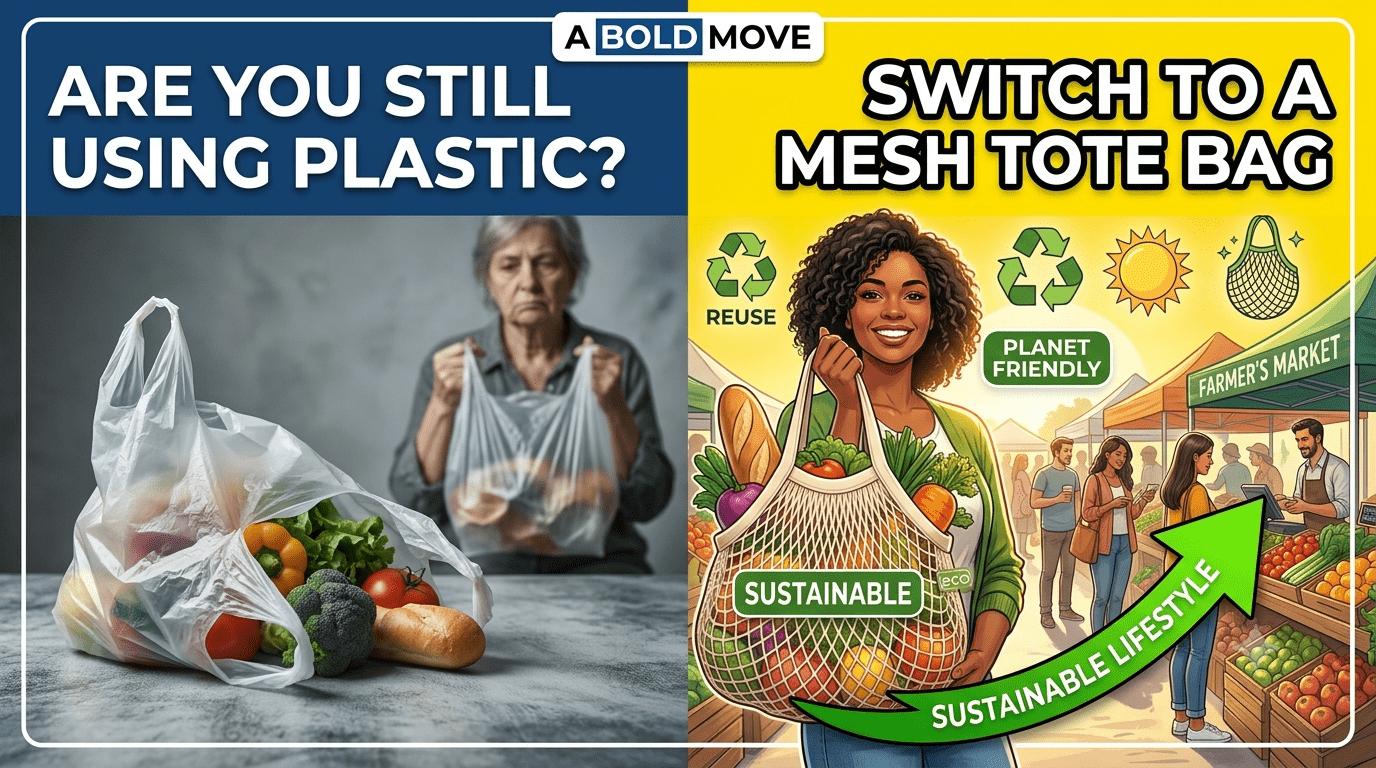
Tote bags have become a preferred choice in retail because they are strong, spacious, and versatile. Unlike single-use plastic bags, tote bags can be reused multiple times without losing their functionality. This durability makes them ideal for shopping trips, grocery runs, and everyday errands.

Retailers are also recognizing the branding potential of tote bags. When customers carry a well-designed tote bag, it acts as a moving advertisement for the brand. As a result, businesses are increasingly offering tote bags as part of their packaging strategy, helping both the brand and the environment at the same time.

Everyday Convenience and Versatility

One of the key reasons behind the rising popularity of tote bags is their unmatched convenience. Their simple design usually featuring sturdy handles and a spacious interior makes them suitable for a wide range of uses.

From carrying groceries and books to storing office essentials and travel items, tote bags adapt to different needs effortlessly. They are lightweight yet durable, making them a practical solution for people with busy lifestyles.

Students often use tote bags to carry notebooks and daily essentials. Professionals rely on them for quick errands or casual workdays. Families use them for shopping and travel. This adaptability ensures that tote bags remain relevant across various age groups and lifestyles.

Environmental Awareness and Sustainability

Environmental concerns have significantly influenced consumer choices worldwide. With the negative impact of plastic waste becoming increasingly visible, individuals and businesses are actively seeking alternatives that reduce environmental damage.

Tote bags provide a sustainable solution because they can be reused repeatedly, reducing the demand for single-use plastic bags. Many tote bags are also produced using eco-friendly materials such as cotton, canvas, and recycled fabrics. These materials are biodegradable and have a much lower environmental footprint compared to plastic.

Governments and organizations around the world have also implemented policies encouraging reusable bags, which has further accelerated the adoption of tote bags. As sustainability continues to shape consumer behavior, tote bags are expected to remain a popular and responsible choice.

Fashion Meets Functionality

Another reason for the widespread adoption of tote bags is their growing presence in the fashion industry. Modern consumers want products that combine practicality with visual appeal, and tote bags deliver both.

Designers and manufacturers now create tote bags in a variety of styles, colors, and materials to suit different preferences. Minimalist designs appeal to professionals, while vibrant patterns attract younger audiences. Some tote bags are designed specifically for fashion, while others focus on durability and utility.

This combination of fashion and functionality has transformed tote bags into everyday accessories rather than just shopping tools. People often choose tote bags that complement their outfits or reflect their personal style.

CASA FASHION as a Reusable Tote Bag Manufacturer India

As demand for sustainable and durable bags continues to grow, CASA FASHION has established itself as a trusted reusable tote bag manufacturer India. By focusing on quality materials and practical designs, CASA FASHION creates tote bags that meet the needs of both businesses and everyday consumers.

Reusable tote bags produced by CASA FASHION are designed to withstand repeated use while maintaining their shape and strength. This durability ensures that customers can rely on these bags for shopping, travel, and daily activities without worrying about wear and tear.

Through thoughtful craftsmanship and attention to detail, CASA FASHION contributes to promoting reusable products that reduce environmental impact while providing long-lasting value.

CASA FASHION Among Affordable Eco-Friendly Tote Bag Manufacturers India

Affordability plays an important role in the widespread adoption of reusable products. CASA FASHION stands out among affordable eco-friendly tote bag manufacturers India by offering high-quality products that remain accessible to businesses and consumers.

By utilizing sustainable materials and efficient manufacturing processes,Casa Fashion ensures that eco-friendly tote bags are available at competitive prices. This approach helps retailers and organizations adopt environmentally responsible practices without significantly increasing their costs.

Affordable eco-friendly tote bags also encourage more people to switch from disposable plastic bags to reusable alternatives, supporting global sustainability efforts while meeting everyday practical needs.

CASA FASHION as a Printed Tote Bag Manufacturer India

Customization has become a significant trend in modern retail and branding strategies. As a leading printed tote bag manufacturer India, CASA FASHION provides businesses with creative opportunities to showcase their brand identity through stylish tote bags.

Printed tote bags allow companies to display logos, messages, and unique designs that capture attention. When customers carry these bags in public places such as malls, markets, or offices, they indirectly promote the brand.

CASA FASHION combines quality printing techniques with durable materials to produce tote bags that maintain their visual appeal even after repeated use. This ensures that businesses receive both functional packaging and long-term promotional value.

Conclusion

The growing popularity of tote bags in retail and everyday life reflects a broader shift toward sustainability, practicality, and style. Consumers are increasingly choosing products that are durable, versatile, and environmentally responsible. Tote bags meet all these expectations while also offering opportunities for branding and personalization.

CASA FASHION, recognized as a reusable tote bag manufacturer India one of the affordable eco-friendly tote bag manufacturers India, and a trusted printed tote bag manufacturer India, continues to support this transformation by delivering high-quality tote bag solutions. Through innovative designs, sustainable materials, and reliable manufacturing, CASA FASHION helps businesses and individuals adopt reusable bags that benefit both the environment and modern lifestyles.

As awareness of environmental responsibility continues to grow, tote bags will remain an essential part of retail packaging and everyday convenience, proving that simple products can create meaningful change in how we shop, carry, and live.