

How Does Crinkling Change the Look and Structure of Cotton Fabric?
Introduction
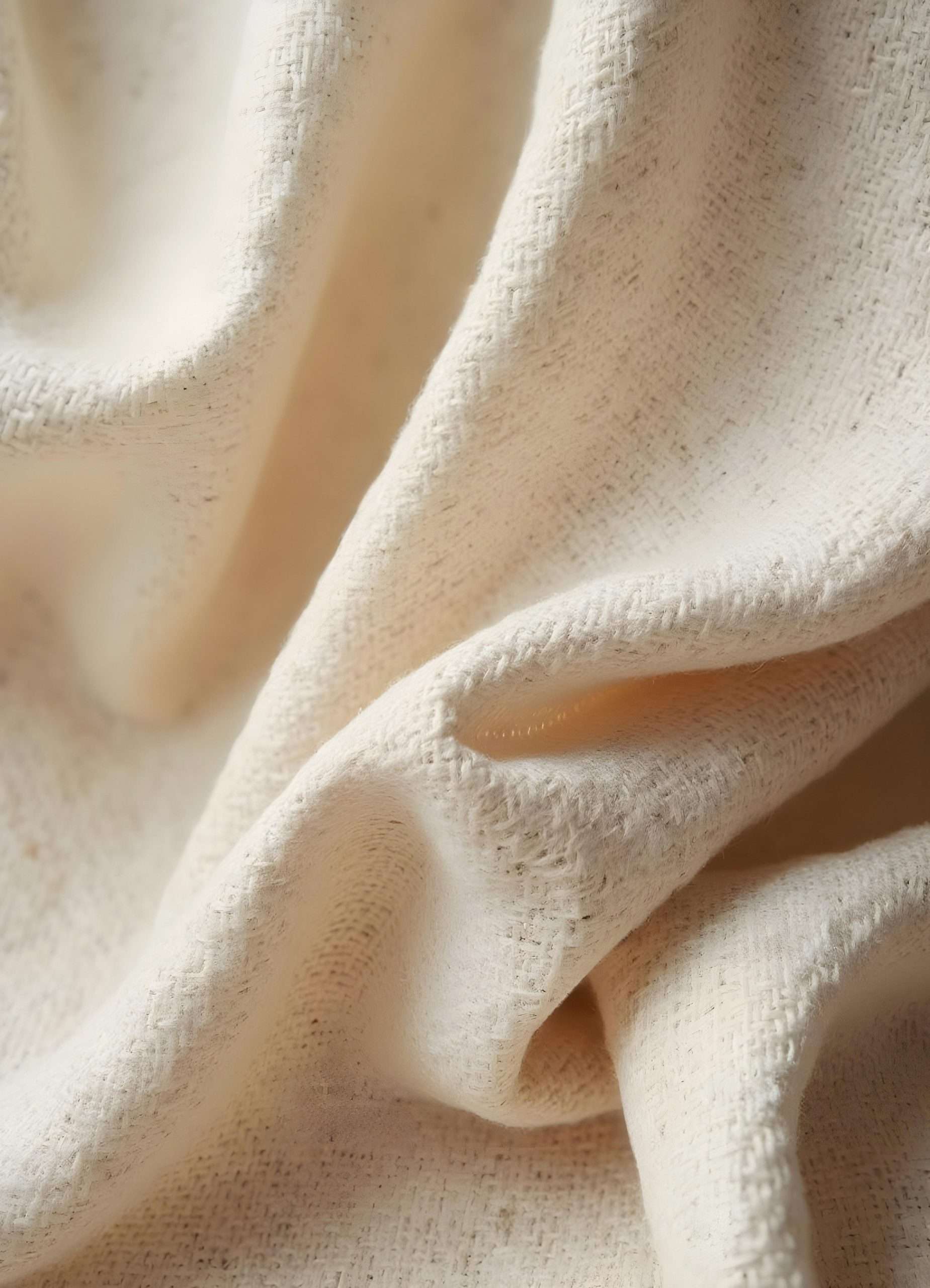
Run your fingers over a length of crinkled cotton muslin fabric, and you will notice something plain cotton rarely gives you: texture that moves with you. At Casa Fashions, we work with muslin every single day, and crinkling is one of the most interesting transformations raw cotton goes through on its way to becoming a swaddle, a curtain, or a cushion cover. It is not just a surface look. Crinkling reorganises how the yarns sit against each other, how the cloth breathes, and how it drapes. This guide breaks down what actually happens inside the weave when cotton crinkles, and why that shift in cotton fabric structure matters more than most buyers realise.
What Really Happens When Cotton Gets Crinkled
Cotton starts life as a flat, evenly tensioned weave. To get the signature puckered surface, mills either wash the fabric under controlled tension and heat, or run it through a light chemical finishing bath that makes the cellulose fibres swell and pull unevenly as they dry. Either way, the yarns stop lying in straight, parallel lines. They bunch, dip, and rise across the surface, which is what creates the fabric crinkle effect you can see and feel.
This is a form of cotton fabric finishing, not a defect. Vision Linens has a useful overview of how finishing stages like scouring, stentering, and heat setting reshape raw cotton before it ever reaches a cutting table, and the same logic applies to how muslin gets its crinkle.
From Flat Weave to Textured Surface: The Structural Shift
Muslin itself is a loose, open weave, which is exactly why it takes crinkling so well. Once the finishing process pulls the yarns out of their flat alignment, the fabric gains a three-dimensional surface instead of a two-dimensional one. That shift in the muslin fabric weave is what changes the way light falls across the cloth, giving it that soft, lived-in look straight off the roll.
Why Crinkled Muslin Feels Different in the Hand
Because the yarns are no longer pulled tight, there is more give in every direction. The fabric folds smaller, stretches slightly under gentle pressure, and springs back instead of holding a sharp crease. This is the main reason crinkled muslin feels softer against skin than a flat-finished cotton of the same weight.
The Properties That Change Once Cotton Is Crinkled
Understanding crinkled cotton fabric properties helps buyers pick the right material for the right job. Here is what shifts once cotton goes through the crinkling process:
- Breathability improves slightly, since the puckered surface holds the fabric away from the skin instead of lying completely flat.
- Shrinkage resistance goes up, because crinkling is essentially a controlled, pre-done shrink. What you buy is close to what you get after washing.
- Drape becomes softer and less structured, which is why crinkled muslin is popular for curtains and swaddles rather than tailored garments.
- Surface texture gains visible depth, so the fabric photographs and styles differently than a smooth cotton weave.
Crinkled Cotton Fabric Property Distribution
Crinkled Cotton Muslin Fabric vs Plain Muslin: What Sets It Apart
Plain muslin has a flat, even cotton muslin fabric texture with a crisp finish straight off the loom. It looks tidy but tends to crease sharply and shows every fold line. Crinkle cotton fabric, on the other hand, hides creases naturally because the surface is already irregular.
That is a practical advantage for anything that gets folded, packed, and unpacked often, from throws to baby wraps. Plain muslin is often the better pick for printing and dyeing where a smooth base matters, while crinkled muslin wins on comfort, low maintenance, and a relaxed, textured look.
How Casa Fashions Crafts Our Crinkled Muslin
As a home textile manufacturer working with muslin at scale, we start with 100% pure cotton yarn woven into an open, breathable base cloth.
From there, our Muslin Gauze and Crinkle Fabric range goes through controlled wet finishing so the crinkle sets evenly across every metre, batch after batch.
We also produce a bamboo cotton muslin option for buyers who want the same crinkled texture with a slightly silkier hand, and our wider organic fabric line follows the same finishing discipline using GOTS-aligned processes.
If you have already read our piece on creative ways to style crinkled muslin at home , this guide fills in the “why it looks like that” part of the story.
Frequently Asked Questions
Is crinkled cotton muslin fabric pre-shrunk?
Does crinkling weaken the cotton fibre?
Can crinkled cotton muslin be ironed flat again?
Is crinkled muslin fabric breathable enough for baby products?
Conclusion
Crinkling is not a cosmetic trick. It is a genuine change to cotton fabric structure, one that trades a crisp, flat finish for softness, texture, and low-maintenance durability.
Once you understand what is happening inside the weave, it becomes much easier to choose the right cotton for the job, whether that is a nursery essential or a living room throw.
Casa Fashions works this finishing process into every batch of muslin we produce, so the texture you feel in your hands is consistent, breathable, and built to last. Explore our full crinkled muslin fabric range or get in touch with our team for bulk and custom finishing enquiries.