


Best Canvas Bag Manufacturer in India

The Role of Canvas Bags in the Zero Waste Movement

Introduction

In an age where the adverse effects of plastic pollution have become painfully evident, the global push for sustainable living is stronger than ever. The zero waste movement has emerged as a leading solution in combating environmental degradation, calling individuals, businesses, and governments to reduce, reuse, and recycle with purpose. One simple yet significant shift gaining momentum in this movement is the switch from single-use plastic bags to canvas bags.

Canvas bags are more than just an eco-friendly alternative—they are a symbol of environmental consciousness, a style statement, and a step toward building a sustainable future. In this blog, we’ll explore the profound role of canvas bags in the zero waste lifestyle, the environmental benefits they offer, their practical versatility, and how they are helping shape a new consumer mindset.

Understanding the Zero Waste Movement

The zero waste movement is rooted in the philosophy of redesigning resource life cycles so that all products are reused and nothing is sent to landfills or incinerators. The goal is to eliminate waste, not just manage it. It’s a shift from the linear “take-make-dispose” model to a circular economy where sustainability is central.

This movement emphasizes:

  • Minimizing waste production
  • Maximizing reuse and recycling
  • Changing consumer behavior
  • Reducing environmental impact

A key principle in this lifestyle is conscious consumption—being mindful of the origin, use, and end life of the products we consume. And that’s exactly where canvas bags come into play.

The Problem with Single-Use Plastics

Plastic bags are ubiquitous. They are convenient, cheap, and easy to use but they come at a steep environmental cost:

  • They take hundreds of years to decompose.
  • They pollute waterways, harming marine life.
  • They contribute to microplastic pollution.
  • Their production uses non-renewable resources like petroleum.

Despite bans and awareness campaigns, billions of plastic bags are still produced and discarded globally each year. While recycling may sound like a viable solution, only a small percentage of plastic bags are actually recycled due to cost and complexity. That’s why reducing their use at the source is critical and reusable alternatives like canvas bags offer a much-needed answer.

Why Canvas Bags Are a Zero Waste Essential

Canvas bags, typically made from natural cotton fibers, offer numerous advantages that align with the zero waste philosophy:

1. Durability and Reusability

Unlike flimsy plastic bags that often tear after one or two uses, canvas bags are built to last. They can withstand heavy loads, making them ideal for grocery shopping, carrying books, or even traveling. With proper care, a canvas bag can be reused hundreds of times, significantly reducing waste.

2. Biodegradable and Non-Toxic

Cotton canvas is biodegradable, meaning it breaks down naturally over time without releasing harmful toxins into the environment. Even when discarded, a canvas bag causes far less harm than synthetic alternatives.

3. Energy and Resource Efficiency

Though the initial production of canvas bags may consume more resources than plastic, the environmental impact is offset by their long life span and reusability. When used regularly, they become more resource-efficient than using hundreds of single-use bags.

4. Customizable and Stylish

Canvas bags come in various sizes, styles, and designs. They can be branded, dyed with natural inks, or customized with messages. Their aesthetic appeal makes them fashionable, encouraging more people to carry them and spread awareness.

Canvas Bags as a Behavioral Catalyst

One of the most powerful aspects of canvas bags in the zero waste movement is their influence on behavior. Carrying a canvas bag signifies a commitment to sustainability. It:

  • Encourages mindful shopping habits.
  • Promotes community awareness.
  • Inspires others to make the switch.
  • Signals a rejection of disposability culture.

Many communities have embraced canvas bags as a way to build eco-conscious habits. Whether it’s bringing your own bag to the store or gifting canvas bags to friends, these small actions have a ripple effect in society.

The Economic Side of Sustainability

Switching to canvas bags isn’t just an environmental decision—it’s also a smart economic one. While a canvas bag might cost more upfront, its durability and reusability make it cost-effective in the long run. Here’s how:

  • Reduced need for replacements: One canvas bag can replace hundreds of plastic bags.
  • Marketing opportunity: Businesses can brand canvas bags as promotional merchandise.
  • Policy support: In many cities, plastic bans have led to incentives for reusable alternatives.

Consumers and companies alike benefit financially by integrating canvas bags into their lifestyles and operations.

Canvas Bags and Circular Design

Canvas bags perfectly embody the idea of circular design, a key pillar of the zero waste movement. Here’s how:

  • Design for longevity: Made to endure repeated use.
  • Repairability: Easily sewn or patched if damaged.
  • Repurposing potential: Can be reused as storage, pillow covers, or even compost bags.
  • Biodegradability: Return to the earth without lasting harm.

This aligns with the cradle-to-cradle philosophy, ensuring that materials can be reused or returned to nature safely.

The Role of Canvas Bags in Modern Consumerism

With increasing awareness of climate change and environmental degradation, consumer preferences are shifting. People want products that reflect their values. Canvas bags represent:

  • Transparency: Knowing what materials were used.
  • Sustainability: Conscious alternatives to plastic.
  • Ethical Production: Often crafted in fair labor environments.
  • Minimalist Lifestyle: Less clutter, more intention.

Brands that offer canvas bags as part of their product lines not only tap into this eco-conscious market but also strengthen their reputation.

Integration into Corporate Responsibility Programs

For businesses, adopting canvas bags as part of their corporate responsibility initiatives is a practical and visible commitment to sustainability. Many companies now:

  • Distribute canvas totes at events.
  • Use them for employee welcome kits.
  • Replace plastic packaging with canvas drawstring bags.
  • Collaborate with local Canvas Bag Manufacturer in India to support eco-friendly manufacturing.

It becomes a win-win: reduced plastic consumption and enhanced brand goodwill.

Awareness Campaigns and Government Support

Governments and NGOs across the globe are pushing for the adoption of reusable bags through:

  • Plastic bans and levies.
  • Public education campaigns.
  • Incentives for eco-friendly alternatives.

These initiatives have significantly boosted demand for canvas bags, especially from a reliable Canvas Bag Manufacturer in India like Casafashions—a leader in providing sustainable and ethically made alternatives.

Why Casafashions Is a Trusted Canvas Bag Manufacturer in India

When considering canvas bags for personal or commercial use, quality, ethics, and sustainability should top your checklist. This is where Casafashions stands out. As a reputable Canvas Bag Manufacturer in India, Casafashions prioritizes:

  • Eco-conscious sourcing of cotton.
  • Ethical production environments.
  • Custom design capabilities for branding and bulk orders.
  • Commitment to quality and durability for everyday use.

Their dedication to supporting the zero waste movement through reliable products makes them a preferred partner for eco-minded consumers and businesses alike.

Partnering with the Right Canvas Bag Manufacturer in India

If you’re a business looking to contribute to sustainability or a consumer wanting to make environmentally responsible choices, choosing the right partner matters. As a leading Canvas Bag Manufacturer in India, Casa Fashion not only delivers premium quality but also empowers your journey toward waste-free living. Whether for retail, hospitality, corporate gifting, or daily use, their canvas bags are designed to make a lasting impact—on your audience and the planet.

Conclusion: Small Bags, Big Impact

In the grand scheme of environmental change, canvas bags may seem like a small gesture. But their impact when adopted at scale is monumental. They encourage responsible consumption, support sustainable economies, and align perfectly with the zero waste ethos. By choosing canvas bags over plastic, we choose cleaner oceans, healthier ecosystems, and a more conscious world. Whether you’re a consumer, business, or policymaker, integrating canvas bags into daily practices is a meaningful and practical step. And by sourcing them from an ethical Canvas Bag Manufacturer in India like Casafashions, you ensure that every bag carries not just groceries but purpose, responsibility, and hope.
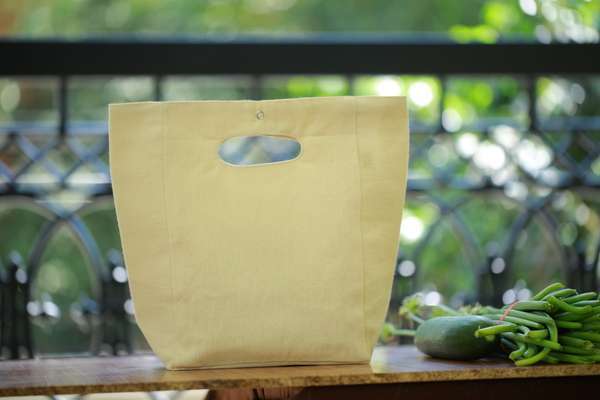
Trusted Canvas Shoulder Bag Manufacturer in India

How to Choose the Right Canvas Shoulder Bag for Your Needs

The Timeless Appeal of Canvas Shoulder Bags

Canvas shoulder bags have evolved from a utilitarian necessity to a stylish essential embraced by everyone from students and professionals to travelers and eco-conscious consumers. With the increasing demand for sustainable fashion and versatile accessories, the humble canvas bag has stepped into the limelight for all the right reasons.

Known for their durability, minimalist aesthetic, and earth-friendly material, canvas shoulder bags offer an excellent balance between form and function. But with a vast array of designs, features, and quality levels on the market, how do you choose the one that suits your lifestyle?

This blog will walk you through the various factors to consider before buying a canvas shoulder bag whether it’s for daily commuting, college use, business, or casual outings.

1. Understanding Canvas: A Sustainable and Sturdy Material

Before delving into types and features, it’s essential to understand what makes canvas such a popular material.

Canvas is a plain-woven fabric, usually made from cotton, linen, or a blend of both. Its tight weave gives it strength and structure, which is why it’s commonly used in everything from tents and sails to artist’s canvases and bags.

Key characteristics of canvas include:

  • Durability: Withstands rough use and heavy loads.
  • Eco-friendliness: Especially when made from organic or recycled cotton.
  • Water-resistance: When treated or blended with wax or synthetic fibers.
  • Low maintenance: Easily washable and long-lasting.

With sustainability becoming a consumer priority, canvas bags are the perfect alternative to plastic or synthetic leather products.

2. Decide the Purpose: Why Do You Need It?

Canvas shoulder bags come in a multitude of shapes and sizes, so identifying your primary use will help narrow down the options.

Daily Use or Office Commute

Look for a medium-sized bag with compartments for phones, wallets, and maybe a small laptop or tablet. Neutral colors like black, navy, or khaki work well with formal attire.

College or School

Go for a larger capacity bag that includes space for books, a laptop, water bottle, and stationery. Wide adjustable straps are essential for shoulder comfort.

Travel and Outdoor Use

Consider crossbody canvas bags or messenger styles with secure zippers, hidden pockets, and water-resistant coatings.

Fashion or Casual Outings

You might prefer a lightweight, compact, and trendy design maybe with prints, embroidery, or minimalist accents that match your personal style.

3. Choosing the Right Size and Capacity

Size matters when choosing a shoulder bag. A too-large bag feels cumbersome; too small, and it loses functionality.

  • Small (8–10 inches): Ideal for essentials like phones, wallets, keys, and a few personal items.
  • Medium (11–14 inches): Fits notebooks, a tablet, a small lunch box, or makeup kit—suitable for daily use.
  • Large (15–18+ inches): Great for carrying laptops, books, or gym clothes. Best for students and professionals who need to carry bulk items.

Tip: Check the internal volume (in liters) or dimensions to ensure the bag fits your typical contents.

4. Straps and Comfort: Don’t Compromise

A shoulder bag’s strap can make or break the comfort level. Look for the following features:

  • Adjustable straps: Essential for customizing the length to your height and carrying preference.
  • Padded straps: Offer better shoulder comfort, especially when carrying heavier loads.
  • Removable straps: Add versatility, converting the shoulder bag into a clutch or handbag.

If you’re using the bag for long commutes or travel, comfort should be a top priority.

5. Compartments and Organization

A good canvas shoulder bag should help you stay organized. Look for:

  • Main compartment: Spacious and easily accessible.
  • Inner pockets: For essentials like keys, earphones, and cards.
  • Laptop sleeve: Padded protection for electronics.
  • Zipper or magnetic closures: For securing valuables.

Avoid bags with too many compartments—they may sound useful but can get bulky and confusing. Instead, choose functional designs with purposeful placement of pockets.

6. Style and Aesthetics: Match Your Personality

Canvas bags are incredibly versatile in style. From rugged, military-inspired bags to modern minimalist designs, there’s something for everyone.

Popular styles include:

  • Tote-style canvas bags: Chic and suitable for work or outings.
  • Messenger-style shoulder bags: Great for professionals and students.
  • Sling bags: Compact and perfect for travel.
  • Fold-over flap bags: Trendy and casual.

Color and pattern are also crucial. Neutral shades offer more versatility, while printed or embroidered bags add personality.

7. Build Quality and Finishing

Don’t judge a bag by its looks alone. The stitching, seams, zippers, and reinforcements speak volumes about longevity.

  • Double-stitched seams: Prevent tearing and fraying.
  • High-quality zippers: Smooth and rust-resistant.
  • Metal hardware: More durable than plastic.
  • Reinforced base and corners: Adds structural support and helps the bag stand upright.

You may also want to inspect the lining canvas bags with cotton or nylon linings that tend to be more durable and spill-resistant.

8. Water-Resistant Features

Although canvas isn’t inherently waterproof, many bags today come with waxed finishes or water-repellent linings that offer basic protection from rain or spills.

For outdoor or monsoon use, opt for:

  • Waxed canvas: Classic look and naturally water-resistant.
  • Synthetic blend canvas: Offers added protection.
  • Internal lining or base coating: Shields contents from moisture.

Also, bags with top flaps and covered zippers add an extra layer of security against water ingress.

9. Maintenance and Cleaning

One of the biggest advantages of canvas is how easy it is to maintain. But the method of cleaning may vary depending on whether the bag is waxed, dyed, or untreated.

  • Spot cleaning: Works well for daily dirt or food stains.
  • Machine washing: Only for untreated, unstructured canvas bags.
  • Brush & soap method: Gentle scrubbing with mild detergent for waxed or printed bags.

Make sure to air dry the bag completely before storage to prevent mold or odor.

10. Price vs. Value: Make an Informed Investment

While canvas shoulder bags are generally affordable, there is a wide price range depending on brand, design, and features.

Factors that justify a higher price include:

  • Superior craftsmanship
  • Sustainable or organic fabric
  • Customization options
  • Brand reputation
  • Long-term durability

A quality canvas bag is a long-term investment, offering both utility and style. Don’t be lured by low-cost alternatives that compromise on materials or finishing.

Sourcing from a Trusted Canvas Shoulder Bag Manufacturer in India

India has emerged as a global hub for eco-conscious and fashionable bag manufacturing. For retailers, startups, and fashion brands looking to add canvas bags to their product lines, partnering with a reputable Canvas Shoulder Bag Manufacturer in India is the key to ensuring quality and scalability.

Look for manufacturers who offer:

  • Ethical and sustainable production practices.
  • High-grade raw materials like organic cotton or recycled canvas.
  • Skilled craftsmanship and timely delivery.
  • Options for custom design, embroidery, and private labeling.

Such manufacturers cater to both domestic and international clients across fashion, corporate gifting, retail, and promotional merchandise sectors.

Why Casafashions Is a Leading Canvas Shoulder Bag Manufacturer in India

When it comes to craftsmanship, innovation, and eco-conscious design, Casafashions stands out as a trusted Canvas Shoulder Bag Manufacturer in India. With a deep understanding of both traditional textiles and modern design trends, Casafashions creates canvas bags that are both functional and fashionable.

Their portfolio includes:

  • Custom-designed shoulder bags for fashion houses and retailers.
  • Durable tote and sling bags for daily users and travelers.
  • Wholesale and export-ready solutions with ethical production practices.

Casafashions combines aesthetics with sustainability, ensuring that every canvas bag aligns with current market trends and responsible sourcing values.

Partner with Casafashions: A Trusted Supplier in the Canvas Bag Industry

As a committed supplier in the sustainable accessory space, Casafashions collaborates with e-commerce brands, retail chains, and export firms to supply high-quality canvas shoulder bags in bulk. Whether you’re sourcing for a corporate campaign or a lifestyle brand launch, Casa Fashion delivers tailored solutions with:

  • Fast prototyping and sampling
  • Competitive pricing for bulk orders
  • Customization in size, print, and packaging
  • Eco-certified raw materials and fair labor practices

Their ability to handle large volumes while maintaining craftsmanship and eco-compliance makes them an ideal partner in today’s conscious fashion industry.

Conclusion: The Right Canvas Bag Is More Than Just a Fashion Choice

A canvas shoulder bag is more than a carrying accessory; it’s a statement of sustainability, functionality, and personal style. By paying attention to size, compartments, material quality, and comfort features, you can choose a bag that truly complements your lifestyle.

Whether you’re a buyer looking for bulk procurement or a fashion-savvy consumer seeking the perfect everyday companion, partnering with a reputed Canvas Shoulder Bag Manufacturer in India Casafashions ensures that you get not just a product, but an experience rooted in quality and responsibility.

Trusted Cotton Drawstring Back Bag Manufacturer in India

How to Encourage Reuse of Drawstring Bags

Introduction: A Small Bag with a Big Impact

In an era where sustainability is more than just a trend it’s a necessity small changes in consumer behavior can make a significant impact. Among these changes, the reuse of everyday products stands out as a key contributor to environmental well-being. One such item that combines practicality, portability, and eco-consciousness is the drawstring bag, especially those made from cotton. These lightweight, versatile bags are not only useful in daily life but also align perfectly with global goals to reduce single-use plastics and synthetic materials.

Yet, despite their benefits, many drawstring bags are used once and forgotten, discarded, or replaced unnecessarily. To truly harness the environmental potential of these bags, manufacturers, retailers, and consumers alike need to actively encourage reuse. This blog explores effective strategies spanning design, education, marketing, and collaboration—to promote the consistent reuse of cotton drawstring bags in every setting.

Understanding the Appeal of Drawstring Bags

Before diving into strategies for encouraging reuse, it’s important to understand why drawstring bags have become so popular. Their minimalist design allows for effortless use they can be opened and closed with a single motion and carried as a backpack or shoulder bag. Their compact size and foldable nature make them ideal for commuting, shopping, gym visits, and even travel.

Made from materials like cotton, jute, or canvas, these bags offer both aesthetic charm and eco-friendliness. For businesses, drawstring bags provide a canvas for branding, making them a popular choice for giveaways, promotions, and event kits. Their broad appeal means they reach a wide demographic from school children and students to working professionals and eco-conscious shoppers.

Why Reuse Matters: The Environmental Equation

Single-use packaging and bags are a major contributor to landfill overflow and marine pollution. Even reusable products, if discarded prematurely, fail to deliver on their environmental promise. The core principle behind reusability is longevity the longer an item is used, the lower its overall environmental footprint per use.

Cotton drawstring bags have the potential to replace hundreds of plastic or paper alternatives over their lifespan. However, this potential is only realized when users are motivated to continue using them. Encouraging reuse doesn’t just help the environment; it also reinforces a circular economy mindset that benefits society as a whole.

Design with Durability and Utility in Mind

The foundation of reuse begins with good design. A well-constructed drawstring bag encourages continued use by offering durability, comfort, and functionality. Manufacturers and designers can play a vital role in promoting reuse by choosing high-quality cotton, reinforced stitching, and fade-resistant dyes.

Functionality is equally important. Including features like interior pockets, adjustable straps, or water-resistant linings can elevate a drawstring bag from a simple carryall to an everyday essential. When users see value in their bag, they’re far more likely to incorporate it into their routine reducing the temptation to switch or discard.

Visual appeal also contributes to longevity. Vibrant colors, artistic prints, minimalistic designs, or culturally inspired patterns make the bags feel like fashion accessories rather than utility tools. People are proud to reuse items that look good and match their personal style.

Educational Campaigns: Inform, Inspire, Involve

One of the most powerful ways to drive reuse is through education. Many people are unaware of how many single-use items they consume or how easy it is to swap them out with reusable alternatives. By sharing statistics, environmental impact data, and real-life success stories, brands and organizations can inspire behavioral change.

Educational campaigns can take many forms:

  • Workshops: Teaching consumers how to care for and creatively repurpose their drawstring bags.
  • Infographics: Distributing digital or physical content that highlights the life cycle of a reusable bag vs. disposable options.
  • Social Media Challenges: Encouraging followers to post photos using their drawstring bags in various settings, promoting visibility and normalizing reuse.

Collaborating with schools, universities, NGOs, and influencers can amplify these efforts and create a culture around reusability.

Incentivizing Reuse Through Loyalty and Rewards

Incentives have always been a strong motivator for changing consumer habits. Retailers and event organizers can introduce reward systems to promote the reuse of drawstring bags. For example:

  • Loyalty Discounts: Offer discounts to customers who bring back their branded drawstring bag for reuse.
  • Stamp Cards: For every purchase made using a reused bag, the customer receives a stamp earning a free gift after a certain number.
  • Social Recognition: Featuring “Eco Stars of the Month” on websites or social platforms, where users are celebrated for consistently reusing bags.

These tactics not only motivate behavior but also generate customer goodwill and long-term brand loyalty.

Corporate Responsibility: Lead by Example

Businesses and institutions have a unique opportunity and responsibility to promote sustainable behavior among their stakeholders. Companies can integrate drawstring bags into their operational and promotional strategies, not just as giveaways but as symbols of their environmental commitment.

For example:

  • Replacing plastic gift bags with reusable cotton drawstring options at events or conferences.
  • Equipping employees with branded bags as part of onboarding kits.
  • Creating limited-edition designs for corporate social responsibility campaigns.

By embedding reuse within their brand identity, organizations send a powerful message that resonates with eco-conscious consumers.

Partnerships and Community Programs

Encouraging reuse is not just the job of individuals or brands alone it requires a community effort. Local governments, educational institutions, and civic organizations can all contribute. Hosting events like:

  • Bag Swap Drives: where community members exchange used drawstring bags.
  • Upcycling Workshops: teaching ways to refresh or modify old bags.
  • Public Reuse Stations: set up at local stores or community centers, allowing people to donate and pick up drawstring bags freely.

Such initiatives create a sense of shared purpose and foster a local culture of sustainability.

Marketing Messaging That Reinforces Reuse

The way a product is marketed significantly influences how it’s used. Messaging that emphasizes the long-term utility and environmental impact of a drawstring bag can guide consumer behavior even after the point of sale.

Consider labeling that includes:

  • “Reuse me at least 100 times!”
  • “Your bag replaces 250 plastic bags this year.”
  • “Wash, wear, repeat — every use helps the planet.”

Including usage tips on tags or packaging can further reinforce the message. For example, “Perfect for gym gear, market runs, or laptop storage.” Specificity encourages broader adoption.

Why Partnering with a Cotton Drawstring Back Bag Manufacturer in India Matters

To successfully promote the reuse of drawstring bags, sourcing high-quality, eco-friendly products is critical. A reliable Cotton Drawstring Back Bag Manufacturer in India ensures the supply of durable and ethically produced bags that align with global sustainability goals.

India is a hub for natural fiber production, and local manufacturers often have deep expertise in textile craftsmanship. Working with an Indian manufacturer also supports local artisans and helps brands reduce their environmental footprint through lower energy-intensive processes and sustainable farming practices.

Casafashions: Your Trusted Cotton Drawstring Back Bag Manufacturer in India

Among the many producers in this space, Casa Fashion stands out as a leading Cotton Drawstring Back Bag Manufacturer in India. Known for their quality craftsmanship and eco-conscious operations, Casafashions offers versatile, durable, and stylish bags suited for both retail and corporate use.

Whether you’re a business looking to promote a green image or an organization planning an event, Casafashions provides customization, bulk orders, and sustainable design solutions. Their commitment to ethical sourcing and low-impact manufacturing makes them an ideal partner in the movement toward everyday reusability.

Casafashions Helps Drive Reuse with Style and Sustainability

The team at Casafashions understands that encouraging reuse requires more than just product availability; it’s about design, communication, and values. That’s why their bags are not only built to last but are also crafted with aesthetics and user experience in mind. From trendy prints and colors to reinforced stitching and functional features, each bag is made to inspire continued use.

Brands that source from Casafashions don’t just receive a product—they gain a sustainability partner who actively supports their mission to reduce waste and promote responsible consumption.

Conclusion: Small Actions, Big Results — Reuse Is the Way Forward

Encouraging the reuse of drawstring bags is not just a sustainability strategy, it’s a social movement that can be led by anyone. From thoughtful design and smart marketing to educational outreach and ethical manufacturing, every step plays a part in driving behavioral change. By choosing quality bags from a reliable Cotton Drawstring Back Bag Manufacturer in India Casafashions, brands and organizations can play a vital role in reducing environmental impact, shaping consumer habits, and promoting a culture of conscious living. In the end, the power of reuse lies in its simplicity and when paired with style and substance, it becomes a habit that’s hard to let go.

Trusted Canvas Bag Manufacturer in India

The Rise of Canvas Totes in Fashion and Function

The Humble Tote’s Stylish Ascent

What was once considered a utilitarian item has now ascended into the world of mainstream fashion and sustainability—canvas tote bags are having their moment. Whether you’re strolling through a farmer’s market, commuting to the office, hitting the beach, or stepping into a boutique store, canvas totes have become ubiquitous. Their transformation from basic carryalls to high-style accessories has marked a significant cultural shift in both fashion sensibilities and consumer values.

This blog explores the canvas tote’s evolution, highlighting how it has become a preferred choice for both utility and aesthetics. We’ll examine why these bags resonate with eco-conscious consumers, fashion designers, and corporate brands alike, and what this surge in popularity means for the future of accessories.

The Origins: From Sailcloth to Sidewalks

Canvas bags aren’t a new invention. Historically, canvas—a durable fabric made from cotton or linen—was used in applications demanding strength, such as ship sails, tents, and military gear. The fabric’s transition into bags was a natural one, driven by its durability and ability to withstand harsh use.

The earliest canvas tote bags were plain, rugged, and built for functionality. Used by factory workers, delivery staff, and grocery shoppers, these bags were strong but not considered stylish. However, as fashion began to embrace utilitarian aesthetics, the canvas tote found new life beyond the backroom or workshop.

Canvas Meets Culture: The Rise of the Everyday Essential

In the late 20th century, the minimalist aesthetic and sustainable lifestyle movements gave canvas totes their cultural breakthrough. With a neutral palette, clean lines, and a classic shape, canvas bags became synonymous with effortlessness. Bookstores and libraries began to print logos on them, and suddenly, toting a bag emblazoned with the name of a favorite brand or author became a statement.

This trend wasn’t merely fashion-driven; it reflected a deeper shift in how people thought about convenience, consumption, and self-expression. Carrying a canvas tote became a symbol of conscious living—rejecting plastic, supporting indie creators, or promoting a cause.

A Symbol of Sustainability

Perhaps no other accessory has been more closely associated with the eco-friendly movement than the canvas tote. As global awareness about plastic pollution has surged, consumers have turned to reusable alternatives. Canvas bags, often made from organic cotton, have become emblematic of this transition.

They are biodegradable, washable, and durable enough to last for years. Unlike their plastic counterparts, they don’t break down into microplastics or harm marine life. As cities across the world banned single-use plastics, canvas totes emerged as the practical solution with added environmental credibility.

Moreover, their ability to be reused hundreds of times without losing functionality makes them a long-term investment in sustainability. Fashion brands have leveraged this aspect to create eco-conscious collections that highlight their environmental responsibility.

Function Meets Fashion: Canvas Goes Couture

From plain bags with boxy silhouettes, canvas totes have evolved into fashionable staples featured on the runways of high-end fashion houses. Designers now incorporate them into seasonal collections with embellishments, leather straps, metal hardware, and artist collaborations. What once cost a few dollars at a co-op can now be found priced in the hundreds at luxury boutiques.

Despite the shift into premium fashion, the tote has never lost its roots in functionality. Its generous dimensions, versatility, and unstructured design still allow it to carry everything from laptops and books to groceries and gym gear. As a result, fashion-forward consumers no longer need to sacrifice utility for style.

Customization: A Canvas for Creativity

Another factor driving the canvas tote’s popularity is its suitability for customization. Brands, artists, and event organizers alike have embraced tote bags as promotional tools and artistic canvases. From screen printing and embroidery to hand-painted designs and iron-on patches, there’s no shortage of ways to personalize canvas totes.

This adaptability has also made them ideal for events like trade shows, weddings, and fundraisers, where they serve both as functional items and branded memorabilia. In an era where uniqueness is a badge of identity, the customizable nature of canvas totes ensures they remain relevant.

The Corporate World Joins In

As sustainability becomes a core principle for many companies, the canvas tote has made its way into the corporate world. Businesses now use them as eco-friendly alternatives to plastic gift bags or branded packaging. From employee welcome kits to eco-conscious conference swag, canvas totes are being used to send a message: we care about the planet.

In addition to environmental concerns, these bags offer strong branding potential. Their large surface area is ideal for logos and messaging, turning every user into a walking billboard. Unlike flyers or brochures that get discarded, a well-designed tote is likely to be reused, extending a brand’s visibility for months or even years.

Gen Z and the Digital Age Influence

The tote’s popularity has also been boosted by social media culture and the younger generations’ preference for authenticity and sustainability. Instagram and TikTok are full of influencers showing off their “what’s in my tote” videos, with stylish canvas bags casually flung over their shoulders.

For Gen Z and millennials, canvas bags strike the perfect balance: they’re environmentally responsible, affordable, aesthetically pleasing, and capable of reflecting personal identity. Whether adorned with activism slogans, illustrations, or vintage logos, the tote becomes more than a bag—it becomes a lifestyle indicator.

Canvas Bags in Urban and Global Mobility

Urbanization and increased mobility have further cemented canvas totes as go-to accessories. They’re lightweight, foldable, and easy to carry in transit-heavy environments. For commuters juggling laptops, lunchboxes, and books, a tote offers unmatched convenience.

Furthermore, as global travel rebounds post-pandemic, canvas bags have re-emerged as ideal companions—foldable extras that don’t take up luggage space but come in handy for shopping and day trips. Their minimalistic appeal also fits well in a range of cultural contexts, making them popular among international travelers and expats.

The Shift Toward Local Sourcing and Artisanal Production

With a rise in demand has come an emphasis on local craftsmanship and ethical production. Many consumers now seek totes made by artisan collectives, women-led enterprises, or fair-trade certified workshops. The canvas bag industry has adapted accordingly, with brands sourcing materials responsibly and promoting transparency in their manufacturing processes.

This has opened new avenues for small and medium enterprises in India, Southeast Asia, and Africa to gain global exposure while contributing to ethical fashion. The canvas tote’s resurgence, therefore, isn’t just about style—it’s about changing how and where we shop.

Rising Demand from Canvas Bag Manufacturer in India

In response to this global demand, the role of the Canvas Bag Manufacturer in India has become increasingly significant. India, with its long-standing textile heritage and growing eco-conscious manufacturing sector, is emerging as a preferred source for high-quality, sustainably produced canvas totes.

Manufacturers in India are not only equipped with the capacity for bulk production but are also aligned with global compliance standards for ethical labor and environmental practices. This positions them well to serve both international fashion brands and corporate clients seeking responsibly made products.

Casafashions: The Trusted Canvas Bag Manufacturer in India

Among the key players in this space,Casa Fashion has built a solid reputation as a leading Canvas Bag Manufacturer in India. The brand is known for combining traditional craftsmanship with contemporary design sensibilities. Whether it’s minimalist everyday totes, customized event bags, or premium canvas products for designer collections, Casafashions delivers a wide range of offerings.

What sets Casafashions apart is their commitment to sustainability and quality. Using eco-friendly dyes, ethically sourced fabrics, and cutting-edge printing techniques, they ensure that each bag is not only stylish but also environmentally responsible. Their in-house design team collaborates closely with clients, offering tailor-made solutions for retail and corporate projects alike.

Why Casafashions Is the Canvas Tote Brand to Watch

As the demand for canvas totes continues to surge across fashion, retail, and sustainability-driven initiatives, Casafashions is poised to lead the way. With flexible manufacturing capabilities, transparent processes, and a design-led approach, they’ve carved out a niche as the go-to Canvas Bag Manufacturer in India for both global labels and boutique brands.

They also offer scalable solutions for eco-conscious startups and social enterprises, helping new ventures align their packaging and promotional products with their green values. For brands that want to make a visual and ethical impact, partnering with Casafashions offers both peace of mind and creative freedom.

Conclusion: The Canvas Tote Is More Than a Bag—It’s a Movement

From factory floors to fashion catwalks, the canvas tote has undergone an incredible transformation. Its appeal lies not only in its versatility but in what it represents: sustainability, individuality, and conscious consumption. No longer just a carryall, it’s a canvas for identity, branding, and cultural expression.

From factory floors to fashion catwalks, the canvas tote has undergone an incredible transformation. Its appeal lies not only in its versatility but in what it represents: sustainability, individuality, and conscious consumption. No longer just a carryall, it’s a canvas for identity, branding, and cultural expression. As the world gravitates toward eco-friendlier alternatives, the rise of this humble bag is a sign of broader change in how we consume, what we value, and how we express ourselves. Backed by reliable partners like Casafashions, a top-tier Canvas Bag Manufacturer in India the canvas tote isn’t just here to stay it’s here to shape the future of fashion and function alike.

fabrics manufacturers in India

How Home Textile Manufacturers Can Reduce Water Consumption

INTRODUCTION

Water is one of the most precious resources on Earth, yet it remains one of the most overused and mismanaged, particularly in the textile industry. The home textile sector covering products like bed linens, towels, curtains, upholstery fabrics, and more is heavily water-intensive. From dyeing and printing to finishing processes, enormous volumes of water are consumed and discharged, often with harmful chemicals.

As the world grows more eco-conscious, manufacturers face mounting pressure to adopt sustainable practices, reduce water consumption, and safeguard water sources for future generations. Consumers, too, are demanding more sustainable products that do not deplete natural resources or pollute ecosystems

Fortunately, modern technology and smarter practices offer practical ways for home textile manufacturers to dramatically reduce water usage without sacrificing quality, performance, or profitability. Let’s explore these solutions in depth

Understanding Water Consumption in Home Textiles

First, it’s critical to grasp where and why water is consumed in home textile production. Broadly, these areas are the highest consumers:

  • Yarn preparation: including sizing, desizing, and scouring
  • Bleaching: to remove natural color from fibers
  • Dyeing and printing: to apply vibrant patterns and colors
  • Finishing: adding functional treatments such as softening, wrinkle resistance, or antimicrobial finishes
  • Washing and rinsing: throughout multiple stages of production

In addition, poorly maintained equipment, outdated dyeing methods, and inefficient rinsing processes can further increase water consumption. Historically, home textile plants might consume hundreds of liters of water per kilogram of finished fabric, a truly unsustainable figure in today’s world.

The Case for Reducing Water Use

Why should manufacturers prioritize reducing water? Several powerful reasons stand out:

  • Environmental responsibility: Safeguarding water ecosystems and reducing pollution
  • Regulatory compliance: Meeting stricter government and global environmental standards
  • Cost savings: Lower water bills and reduced wastewater treatment expenses
  • Brand reputation: Appealing to eco-conscious consumers
  • Future resilience: Adapting to global water scarcity threats

Ultimately, cutting water usage is no longer just a “nice to have” , it is a fundamental part of staying competitive in a global, sustainability-driven market.

Technology-Driven Solutions

Modern innovations have made it far easier to adopt water-efficient processes. Here are some of the most impactful technologies transforming water consumption in home textiles:

Benefits of Pre-Shrinking Fabric

1. Waterless Dyeing Technologies

One of the most water-intensive stages in home textile manufacturing is dyeing. New waterless dyeing processes, including supercritical CO2 dyeing, replace water with carbon dioxide under high pressure to carry dyes deep into the fibers. Once the dyeing is done, CO2 is recaptured and reused, achieving a near-closed loop with zero water waste

Another approach is digital pigment printing, which uses extremely low water quantities and prints directly on fabrics without multiple rinse cycles.

2. Advanced Water Recycling

Instead of discharging wastewater, home textile factories can adopt sophisticated water recycling systems. These combine filtration, reverse osmosis, and advanced oxidation techniques to treat processed water so it can be reused again and again.

Some facilities are already achieving water reuse rates of over 80%, drastically cutting down freshwater intake.

3. Enzyme-Based Pretreatment

Traditional scouring and bleaching use harsh chemicals and copious amounts of water. Enzyme-based processes replace these chemicals, working at lower temperatures with significantly less water while still achieving high-quality results. The textile enzymes also create less sludge and waste compared to standard chemical baths.

4. Smart Monitoring Systems

It’s hard to reduce what you don’t measure. Smart water meters, IoT-enabled flow monitors, and real-time data dashboards can help manufacturers track water consumption at every stage of production. These systems reveal leaks, inefficiencies, or excessive water use, allowing immediate corrections and long-term improvements.

5. Low Liquor Ratio Dyeing

Conventional dyeing often requires a high ratio of water to fabric. Low liquor ratio dyeing equipment works with much smaller amounts of water while still achieving uniform, vibrant color results. Newer machines have advanced circulation pumps and optimized dye bath designs to maintain dye consistency even at lower water volumes.

Process Optimization Strategies

Beyond technology, operational strategies can also yield powerful results. Here’s how: Right-first-time production: Minimizing re-dyes, re-washing, or reprocessing by perfecting recipes and quality control Batch optimization: Grouping products that use similar processes to minimize equipment washing between runs Employee training: Ensuring workers understand water-saving procedures and maintenance Preventive maintenance: Well-maintained equipment leaks less, uses less water, and performs better Chemical substitution: Using low-foam, easy-to-rinse chemicals that require fewer rinses Combined with technology investments, these best practices help manufacturers dramatically cut water footprints.

Collaborating Across the Supply Chain

Home textile brands, retailers, and manufacturers increasingly collaborate on water savings. Brands may encourage suppliers to adopt certifications like OEKO-TEX® STeP or ZDHC (Zero Discharge of Hazardous Chemicals) to prove their water responsibility. Shared innovation for example, dye manufacturers working with textile mills to improve dye uptake also supports systemic water reductions. By treating water stewardship as a shared mission, the entire home textile industry can make meaningful progress.

Government Regulations and Incentives

Regulatory pressure is rising. Environmental regulators are tightening industrial water discharge standards and encouraging water reuse. In India and many other countries, textile facilities are required to install Effluent Treatment Plants (ETPs) to clean wastewater before discharge. Some governments even offer subsidies, tax credits, or low-interest loans for investing in water-saving technologies, creating a clear business incentive to adopt these improvements.

The Future of Water-Smart Home Textiles

Looking ahead, home textile manufacturing is expected to embrace more breakthroughs in water-saving methods, including:

Nanotechnology finishes requiring less rinsing Even higher-efficiency water filtration systems Bioengineered dyes that require no chemical fixatives Digital twin technology to simulate processes and cut water use before production begins

Sustainability, including water management, will remain a key driver of innovation for home textiles well into the future.

Why a Home Textile Manufacturers Should Lead the Way

As a Home textile manufacturer in India, local companies are uniquely positioned to become leaders in water-smart manufacturing. India faces severe water scarcity in many regions, making conservation efforts not just an environmental concern but a social and economic necessity. By investing in these advanced practices, manufacturers can not only future-proof their businesses but also inspire the broader Indian textile sector to transform its relationship with water.

How Casa Fashion Champions Sustainable Practices

Casa Fashion, a forward-thinking Home textile manufacturer in India, has recognized the urgent need for sustainable water management. From modern dyeing units using low-liquor technologies to robust water recycling systems, Casa Fashion is prioritizing eco-friendly measures without sacrificing product quality.

They understand that customers increasingly demand green solutions and they are proud to deliver, while helping preserve vital water resources for generations to come.

Partnering with Casa Fashion for Sustainable Home Textiles

By choosing Casa Fashion, a committed Home textile manufacturer in India, brands and retailers align themselves with a partner focused on environmental stewardship and community impact. Casa Fashion’s innovative approach helps clients achieve their own sustainability targets, whether for organic certifications, eco-labels, or simply greener reputations. Together, they can move toward a textile industry that honors both style and sustainability, proving that beautiful products don’t have to cost the earth.

Conclusion: A Greener Future, One Drop at a Time

Reducing water consumption in home textile manufacturing is no longer optional, it is essential. With powerful technology, smart processes, and visionary partners like Casa Fashion, the textile industry can reinvent itself for a more sustainable tomorrow. By working with a dedicated Home textile manufacturer in India, brands can be part of a solution that saves precious resources, protects ecosystems, and supports future generations. The result is a greener, more resilient industry one drop at a time.