
organic fabric manufacturer in India

How to Find the Best Organic Fabric Supplier in India for Your Fashion Brand

Many fashion brands are now choosing organic fabrics to help the environment. These fabrics are made without harmful chemicals and are better for people and nature.

But finding the right organic fabric manufacturer in India organic fabric supplier in India can be tricky because there are so many options. This guide will help you pick the best one for your brand.

Why Choose Organic Fabrics?

Before we find the right supplier, let’s look at why organic fabrics are a great choice:

Good for the Environment

Organic fabrics are made without harmful pesticides and chemicals, which keeps the soil and water clean.

Safe for Skin

These fabrics are free from toxic dyes, making them gentle on sensitive skin.

Ethically Made

Many organic fabric manufacturer in India ensure fair wages and safe working conditions for their workers.

Better Quality

Organic fabrics are softer, stronger, and more breathable than regular fabrics.

Now, let’s explore how to find the best organic fabric supplier in India for your business.

1. Know What Fabric You Need

Before you start looking for a supplier, think about what kind of fabric you need:

  • Fabric Type: Do you need cotton, linen, bamboo, hemp, or wool?
  • Certifications: Look for certifications like GOTS (Global Organic Textile Standard) or OEKO-TEX to make sure the fabric is really organic.
  • Custom Designs: Do you need special colors, prints, or fabric thickness?
  • Order Size: Are you buying a small batch or in bulk?

2. Find Trusted Organic Fabric Suppliers in India

India has many famous places for organic fabric production:

  • Tamil Nadu: Known for high-quality organic cotton and textile factories.
  • Rajasthan: Popular for handwoven and naturally dyed fabrics.
  • Gujarat: A major producer of khadi and eco-friendly textiles.
  • West Bengal: Specializes in organic silk and linen fabrics.

Look for organic fabric manufacturers in India that match your business values and fabric needs.

3. Check for Certifications

To make sure a supplier is trustworthy, ask for these certifications:

  • GOTS (Global Organic Textile Standard): Confirms that the fabric is organic from start to finish.
  • OEKO-TEX Standard 100: Ensures that the fabric is safe and free from harmful chemicals.
  • Fair Trade Certification: Confirms ethical work conditions and fair wages.
  • ISO Certifications: Shows that the supplier follows international quality standards.

A reliable organic fabric supplier in India will have these certifications.

4. Test Fabric Quality

Good quality fabric is important for your fashion brand. Here’s how to check it:

  • Feel the Fabric: Ask for samples to check if the fabric is soft, strong, and comfortable.
  • Know the Production Process: Ask how the fabric is made, dyed, and finished.
  • Check Sustainability Practices: Make sure they use eco-friendly methods and avoid harmful chemicals.

5. Read Reviews and Ask for References

A good supplier will have positive feedback. To check their reputation:

  • Look for online reviews on Google and business directories.
  • Ask other brands or designers for recommendations.
  • Follow their social media to see customer feedback and updates.

6. Compare Prices and Order Requirements

Fabric prices depend on type, customization, and quantity. Some suppliers have high minimum order quantities (MOQs), while others accept smaller orders. Consider:

  • Bulk Discounts: Some suppliers offer lower prices for bigger orders.
  • Customization Costs: Special colors or prints may cost extra.
  • Shipping Fees: Check delivery charges and any additional taxes.

7. Communicate with the Supplier

Good communication is important. A good supplier should:

  • Reply quickly to your messages.
  • Give clear details on pricing and delivery time.
  • Provide good customer support even after the order is complete.

A helpful organic fabric manufacturer in India will make your business easier to manage.

8. Check Their Sustainability and Ethical Standards

A real eco-friendly supplier will:

  • Use natural dyes instead of chemical-based ones.
  • Reduce fabric waste in production.
  • Follow fair trade policies and ethical labor practices.
  • Offer recyclable or biodegradable packaging.

9. Ask for Fabric Samples

Before making a big order, always test the fabric. Ask for samples to check:

  • Fabric color and texture.
  • How much it shrinks after washing.
  • If it works well with printing or embroidery.

10. Build a Long-Term Relationship

Once you find a supplier that meets your needs, try to build a good working relationship. This can lead to:

  • Better prices on future orders.
  • Faster production times.
  • Custom fabric options designed just for your brand.

Final Thoughts

Finding the right organic fabric supplier in India is an important step for your fashion brand. By doing research, checking quality, and confirming certifications, you can make sure you’re working with a reliable and ethical supplier.

If you’re looking for a trusted organic fabric manufacturer in India, follow these steps to make a smart choice. Sustainable fashion is the future—choose wisely and grow your brand while protecting the planet! CasaFashion is a leading name in the organic textile industry, known for its commitment to quality, ethical sourcing, and environmentally friendly production practices. Partnering with Casa Fashion means aligning your brand with sustainability, innovation, and trust.

Unveiling the Secrets: How to Choose the Best Home Textile Manufacturer in India for Your Dream Decor

When it comes to home decor, textiles play a crucial role in defining aesthetics, comfort, and functionality. Whether you are a retailer, wholesaler, or an individual looking for high-quality home furnishings, choosing the right home textile manufacturer in India is vital. With India’s rich textile heritage and vast industry network, selecting the best manufacturer can be overwhelming. This guide will help you navigate through the essential factors to consider when choosing a home textile manufacturer in India.

Understand and Define Your Goals

Before selecting a home textile manufacturer in India, it’s essential to have a clear understanding of your requirements and objectives. Defining your goals will help you choose the right manufacturer that aligns with your business needs or personal preferences. Consider the following factors: Product Type – Are you looking for bed linens, curtains, cushions, or a complete range of home textiles? Quality Standards – Do you need high-end luxury textiles, budget-friendly options, or sustainable fabrics? Customization Needs – Do you require unique designs, custom prints, or private labeling for branding purposes? Order Quantity – Are you sourcing in bulk for retail or wholesale, or do you need small-scale production? Target Market – Are your products for domestic sales, exports, or a niche segment like eco-friendly textiles?

Factors to Consider When Choosing a Home Textile Manufacturer in India

a) Quality and Fabric Selection The first and foremost criterion is the quality of textiles. Look for manufacturers that use premium raw materials like Egyptian cotton, organic fabrics, or high-grade polyester. Inspect samples to assess durability, softness, and colorfastness. b) Certifications and Compliance Ensure the manufacturer follows industry standards and holds certifications such as: OEKO-TEX Standard 100 (for non-toxic textiles) GOTS (Global Organic Textile Standard) for organic cotton ISO 9001 (quality management system) These certifications indicate adherence to international quality and safety norms. c) Manufacturing Capabilities and Scalability If you are sourcing in bulk, check whether the manufacturer has the capacity to meet your demands. Assess their production facility, machinery, and workforce strength. Manufacturers with advanced technology, automated weaving, and dyeing processes tend to offer superior products with consistent quality. d) Customization and Design Flexibility Customization is key for creating unique home textiles. Choose a manufacturer that allows: Custom fabric selection Exclusive prints and patterns Embroidery, embellishments, or special finishing Private labeling and branding options e) Pricing and MOQ (Minimum Order Quantity) Compare prices across multiple manufacturers to ensure a cost-effective deal. While lower prices can be tempting, they shouldn’t compromise quality. Also, discuss the MOQ requirements to see if they align with your business needs. f) Lead Time and Delivery Efficiency Timely delivery is crucial, especially for businesses. Discuss the lead time for production and shipping policies. A reliable manufacturer will have a well-organized logistics network for domestic and international shipping. g) Reputation and Client Reviews Check the manufacturer’s reputation through: Online reviews and ratings Testimonials from previous clients Industry references Social media presence and case studies A well-established manufacturer with positive feedback is likely to deliver a satisfactory experience.

Best Home Textile Manufacturing Hubs in India

India has several textile hubs known for high-quality manufacturing. Some prominent locations include: Panipat, Haryana – Known as the ‘City of Weavers,’ specializing in rugs, carpets, and home furnishings. Karur, Tamil Nadu – Famous for home linens, curtains, and tableware textiles. Tiruppur, Tamil Nadu – A hub for cotton-based textiles and knitted fabrics. Surat, Gujarat – Specializes in synthetic and embroidered textiles. Jaipur, Rajasthan – Famous for block-printed and handcrafted home textiles.

How to Connect with the Best Home Textile Manufacturers in India

If you are looking for a home textile manufacturer in India, here are some effective ways to connect: Trade Shows & Exhibitions – Attend fairs like Heimtextil India, India International Textile Expo, and Texfair. B2B Marketplaces – Platforms like IndiaMART, TradeIndia, and Alibaba list reputable manufacturers. Industry Associations – Organizations like the Textile Association (India) provide connections with verified manufacturers. Direct Factory Visits – If possible, visit factories to inspect quality, operations, and capabilities firsthand.

Final Checklist Before Making a Decision

Before finalizing your home textile manufacturer, use this checklist: 1. Does the manufacturer offer the fabric and design you need? 2. Are they certified for quality and ethical practices? 3. Can they handle your order size and offer competitive pricing? 4. What are their lead times and shipping policies? 5.Do they have positive client reviews and a strong reputation? 6. Are they open to customizations and branding opportunities? Choosing the best home textile manufacturer in India requires careful research and consideration. By focusing on quality, compliance, scalability, ethical practices, and client reputation, you can partner with a reliable manufacturer that aligns with your needs. Whether you are looking for premium bed linens, stylish curtains, or sustainable home textiles, India offers world-class manufacturers to bring your dream décor to life! If you are searching for a trusted home textile manufacturer, start exploring today and transform your space with the finest Indian textiles!

Sustainable Home Textiles: Eco-Friendly Fabric Choices for Your Home

In recent years, sustainability has become a vital consideration in nearly every aspect of our lives, from the food we eat to the clothes we wear. The trend toward eco-conscious living has now made its way into the world of home décor, specifically within home textiles. Sustainability in home textiles is more than just a trend; it’s a reflection of mindful consumption and thoughtful choices that impact both the environment and our personal spaces. When we talk about sustainable home textiles, we’re referring to products made from eco-friendly fabrics, sourced and produced in ways that minimize environmental impact.

This blog post will guide you through the world of sustainable home textiles, introducing the best eco-friendly fabric choices for your home, and highlighting why choosing these materials from home textile fabrics manufacturers is a step toward a greener, more responsible lifestyle

Why Sustainable Home Textiles Matter

In a world increasingly aware of the negative environmental effects of mass production and fast consumerism, it’s crucial to recognize how small changes can make a big difference. The textile industry is one of the largest polluters globally, consuming vast amounts of water, energy, and chemicals. Traditional textile production often involves synthetic materials that don’t biodegrade, causing long-term harm to our planet.

By opting for sustainable fabrics, consumers contribute to reducing waste, conserving resources, and lowering the carbon footprint associated with home textiles. Eco-friendly fabrics not only offer aesthetic and functional benefits but also align with responsible living. This creates a powerful message: our homes can be beautiful, comfortable, and environmentally friendly all at o

Top Eco-Friendly Fabric Choices for Home Textiles

There are several eco-friendly fabrics that are suitable for home textiles, each with its unique properties. Here are some of the best options that contribute to sustainability while offering the comfort and style you seek in your home.

Why choose organic cotton for home textiles?

  • Soft and breathable: Organic cotton is known for its softness and breathability, making it perfect for items like bedding, curtains, and cushions.
  • Durability: It’s a durable fabric that maintains its quality over time, even after multiple washes.
  • Eco-certifications: Many organic cotton products come with eco-certifications, such as the Global Organic Textile Standard (GOTS), ensuring that the material is truly eco-friendly.

Linen

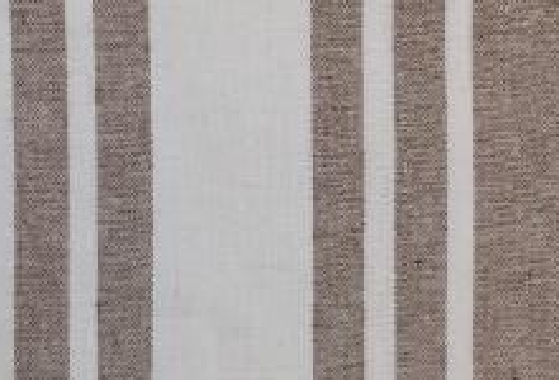
Linen is another sustainable fabric that’s gaining popularity in the home textile industry. Made from the flax plant, linen requires far less water than cotton and is naturally resistant to pests, reducing the need for chemical interventions.

Benefits of linen in home textiles:

  • Natural texture: Linen has a beautiful, natural texture that adds a rustic yet elegant charm to your home. It’s perfect for upholstery, tablecloths, and curtains.
  • Breathable and moisture-wicking: Linen is highly breathable and has moisture-wicking properties, making it ideal for summer bedding.
  • Long-lasting: Linen grows softer with each wash, making it a long-lasting and low-maintenance choice.

Hemp

Hemp is one of the most environmentally friendly fabrics available. It’s fast-growing, requires minimal water, and improves soil health by returning nutrients to the earth. Hemp’s durability and versatility make it an excellent choice for various home textiles.

Why hemp is a sustainable choice for your home:

  • Eco-friendly cultivation: Hemp grows quickly and without the need for synthetic fertilizers or pesticides, making it one of the most sustainable crops.
  • Durability: Hemp fibers are incredibly strong, ensuring that products made from this material, such as rugs, cushions, and curtains, last for years.
  • Mildew resistance: Hemp is naturally resistant to mildew and mold, making it ideal for areas like bathrooms and kitchens.

Final Thoughts

Incorporating sustainable home textiles into your space is a simple yet impactful way to contribute to environmental conservation. By choosing fabrics like organic cotton, linen, hemp, bamboo, recycled polyester, and Tencel, you ensure that your home is not only stylish and comfortable but also eco-conscious. Moreover, supporting home textile fabrics manufacturers that prioritize sustainability amplifies the positive impact of your choices. Together, we can create homes that reflect our values and protect the planet for future generations. By taking a step toward sustainable textiles, you’re not just choosing a product—you’re choosing a better future.

Living Linen Manufacturers in india

The Benefits of Natural Fibers in Home Textiles

In recent years, there has been a growing demand for sustainable living practices, especially when it comes to the materials we choose for our homes. Natural fibers in home textiles are at the forefront of this movement, offering a blend of sustainability, comfort, and style. Whether it’s in bedding, curtains, or upholstery, natural fibers are becoming increasingly popular for their myriad benefits. As consumers become more conscious of their choices, textile manufacturers in India and around the world are innovating to meet this demand by incorporating eco-friendly materials into their designs. CasaFashion is proud to be part of this sustainable shift, offering a wide range of natural fiber home textiles that combine elegant design with environmental responsibility. With a commitment to quality and conscious living, Casa Fashion is helping homes become more beautiful—and more sustainable.

In this blog, we’ll explore why natural fibers are an excellent choice for home textiles, delve into their sustainability, and explain why leading textile manufacturers in India are embracing this trend.

Sustainability and Eco-friendliness

One of the most significant advantages of using natural fibers in home textiles is their sustainability. Unlike synthetic fibers, which are derived from petroleum-based materials, natural fibers are harvested from renewable sources like plants and animals. For example, cotton, jute, and flax are plant-based fibers, while wool and silk are derived from animals.

Natural fibers are biodegradable and have a lower environmental impact than synthetic alternatives. They require less energy for production and do not contribute to the release of harmful microplastics into waterways during washing. This makes them an excellent choice for eco-conscious consumers who are looking to reduce their carbon footprint.

In India, many textile manufacturers are turning towards organic and responsibly sourced natural fibers to create high-quality home textiles. The use of sustainable materials not only reduces environmental harm but also appeals to a growing market of environmentally aware customers.

Comfort and Breathability

Natural fibers such as cotton, wool, and Living Linen Manufacturers in india known for their breathability. They allow air to circulate more freely, which makes them ideal for home textiles like bedding and upholstery. Unlike synthetic fibers, which can trap heat and moisture, natural fibers help regulate temperature, ensuring that your home textiles remain cool in summer and warm in winter.

Durability and Longevity

When it comes to longevity, natural fibers often outperform their synthetic counterparts. High-quality natural fibers, such as linen and wool, are remarkably durable, making them ideal for everyday use in home textiles. For example, linen is known for its incredible strength and longevity, often outlasting cotton and synthetic fabrics when properly cared for. Wool is also naturally resistant to stains and odors, making it a durable choice for upholstery and carpets. Even with frequent use, these fibers maintain their integrity, ensuring that your home textiles remain in excellent condition for many years. Additionally, the resilience of natural fibers means they are less prone to wear and tear, fading, or fraying, which is common with cheaper synthetic materials. This durability is why many high-end textile manufacturers in India and other countries prefer natural fibers for luxury home textiles, ensuring that customers get the best value for their investment.

Health Benefits: Hypoallergenic and Chemical-Free

Natural fibers can also offer significant health benefits, particularly for individuals with sensitive skin or allergies. Many synthetic textiles are treated with harsh chemicals during production, which can lead to skin irritation or allergic reactions. In contrast, natural fibers, particularly those that are organic, are free from these harmful chemicals.

Aesthetic Appeal: Timeless and Versatile Designs

One of the standout qualities of natural fibers is their aesthetic appeal. These fibers often have a timeless, organic look that is both luxurious and versatile, making them ideal for a wide range of home decor styles. Whether you’re going for a rustic, minimalist, or contemporary look, natural fiber textiles can seamlessly fit into your design vision.

Biodegradability and Waste Reduction

One of the most pressing concerns of our time is the issue of waste, particularly textile waste. Synthetic fibers, which are non-biodegradable, contribute significantly to landfill waste and environmental pollution. In contrast, natural fibers are biodegradable, meaning they decompose naturally and reduce the burden on landfills.

Conclusion: A Smart and Sustainable Choice

In conclusion, natural fibers offer a wide range of benefits that make them the superior choice for home textiles. From sustainability and eco-friendliness to comfort, durability, and aesthetic appeal, these fibers have much to offer. By choosing natural fiber home textiles, you not only enhance the beauty and functionality of your living space but also contribute to a healthier planet. As textile manufacturers in India continue to innovate and embrace sustainable practices, the availability of high-quality natural fiber home textiles is expanding, making it easier than ever to make eco-conscious choices for your home. Whether you’re redecorating your living room or upgrading your bedding, consider the long-term benefits of natural fibers—they’re good for your home, your health, and the environment.

Why Crinkled Cotton is Perfect for Summer Fashion

Why Crinkled Cotton is Perfect for Summer Fashion

Summer is synonymous with effortless style and comfort, and choosing the right fabric plays a crucial role in achieving this. Among the myriad of fabric options available, crinkled cotton stands out as an ideal choice for summer fashion. This innovative fabric, known for its unique texture and exceptional breathability, is becoming increasingly popular. In this blog post, we will delve into why crinkled cotton is perfect for summer fashion, highlighting its benefits, versatility, and how crinkled fabric manufacturers, suppliers, and exporters in India contribute to its global appeal.

What is crinkled cotton ?

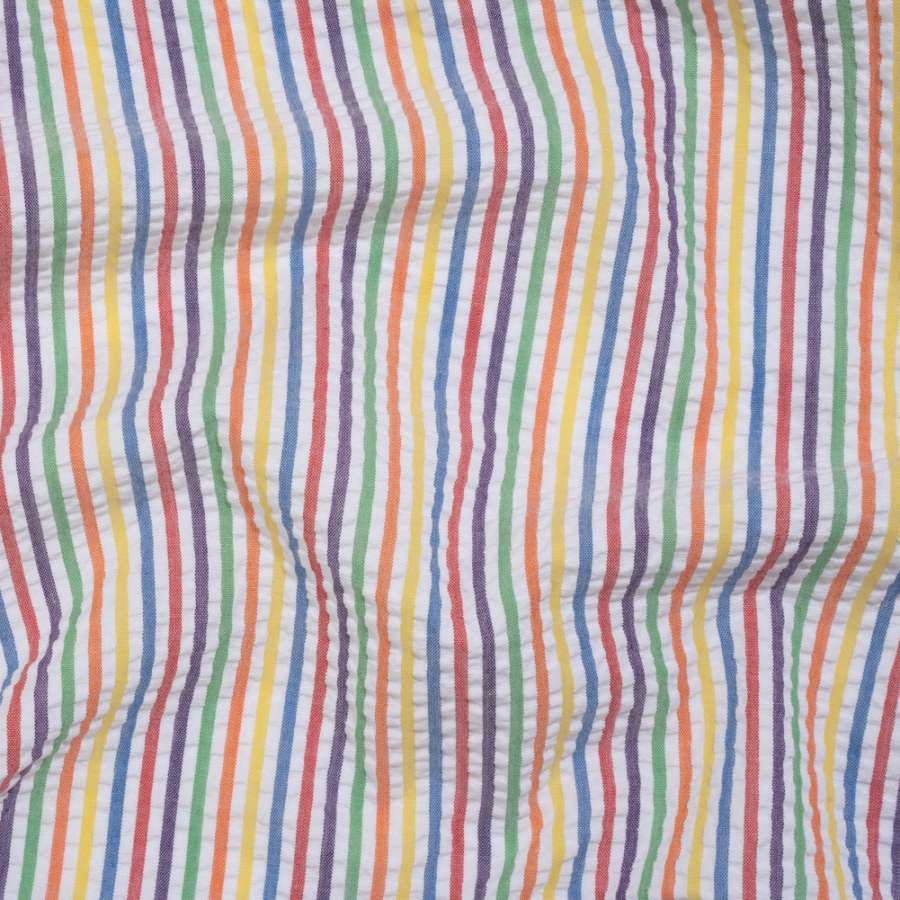
crinkled cotton is a type of cotton fabric that has been treated to achieve a textured, crinkled effect. This effect is typically created through a special finishing process that involves heat and pressure, which causes the fabric to form natural, permanent wrinkles. Unlike other fabrics that require constant ironing, crinkled cotton maintains its textured appearance without additional maintenance. This characteristic makes it an excellent choice for summer wear, where comfort and ease are paramount. The Benefits of crinkled cotton for Summer

Breathability and Comfort

One of the primary advantages of crinkled cotton is its breathability. During the sweltering summer months, it’s crucial to wear fabrics that allow air to circulate and wick away moisture. crinkled cotton excels in this regard, thanks to its airy texture. The crinkles create tiny air pockets within the fabric, which enhance ventilation and help keep the body cool. This natural breathability ensures that crinkled cotton garments are comfortable even in the hottest weather.

Low Maintenance and Easy Care

Summer fashion should be as carefree as possible, and crinkled cotton fits the bill perfectly. The crinkled texture of the fabric means that it does not need to be ironed or pressed regularly. This low-maintenance feature makes crinkled cotton garments incredibly convenient for everyday wear. Simply wash, dry, and wear—it’s that easy. For those who lead busy lives or prefer hassle-free clothing, crinkled cotton is an excellent choice.

Unique Texture and Aesthetic Appeal

crinkled cotton offers a distinctive texture that adds visual interest to any outfit. The natural crinkles create a playful, relaxed look that is perfect for summer fashion. Whether it’s a breezy sundress, a casual blouse, or a laid-back pair of shorts, crinkled cotton garments exude a sense of effortless style. This unique texture can also add dimension to simple designs, making it a favorite among fashion enthusiasts and designers alike.

Versatility in Fashion

Another significant advantage of crinkled cotton is its versatility. The fabric’s texture and appearance make it suitable for a wide range of summer clothing items. From chic maxi dresses to comfortable tunics and stylish jumpsuits, crinkled cotton can be adapted to various styles and designs. Additionally, the fabric drapes beautifully, creating a flattering silhouette that works for different body types. This adaptability ensures that crinkled cotton can be incorporated into both casual and semi-formal summer wardrobes. How crinkled cotton is Produced crinkled cotton undergoes a specific finishing process to achieve its signature texture. The process typically involves treating the fabric with heat and pressure to create permanent crinkles. This treatment can be applied to both woven and knitted cotton fabrics, resulting in a diverse range of crinkled cotton options. crinkled cotton manufacturers in India play a crucial role in producing high-quality crinkled cotton fabric. Their expertise in fabric treatment and finishing ensures that the fabric meets international standards and caters to global fashion trends. crinkled cotton Manufacturers, Suppliers, and Exporters in India India is home to some of the leading crinkled cotton manufacturers, suppliers, and exporters. These industry professionals are instrumental in bringing crinkled cotton to the global market. By leveraging advanced manufacturing techniques and quality control measures, Indian crinkled cotton manufacturers produce fabrics that are both durable and aesthetically appealing. Additionally, crinkled cotton suppliers in India ensure that the fabric is readily available to designers, retailers, and fashion enthusiasts worldwide. For those looking to source high-quality crinkled cotton, it is essential to partner with reputable manufacturers and suppliers. They provide a wide range of crinkled cotton options, including various textures, weights, and colors. Whether you are a fashion designer seeking unique fabric for your latest collection or a retailer looking to offer crinkled cotton garments to your customers, connecting with reliable crinkled cotton exporters in India ensures that you receive top-notch products. Styling Tips for crinkled cotton in Summer Fashion To make the most of crinkled cotton in your summer wardrobe, consider the following styling tips:

Embrace the Texture

The crinkled texture is a key feature of this fabric, so it’s essential to let it shine. Opt for simple, minimalist designs that highlight the fabric’s unique appearance. Avoid overly complex patterns or embellishments that may overshadow the crinkles.

Pair with Light Accessories

crinkled cotton garments are often best complemented by light and airy accessories. Think woven straw hats, delicate jewelry, and espadrilles. These accessories enhance the fabric’s relaxed vibe and create a cohesive summer look.

Experiment with Colors and Prints

crinkled cotton is available in a variety of colors and prints. Experiment with bright, vibrant hues or playful patterns to add a touch of fun to your summer outfits. Whether you prefer solid colors or eye-catching prints, crinkled cotton can accommodate a wide range of personal styles.

Layering for Versatility

crinkled cotton‘s versatility extends to layering. Consider layering crinkled cotton pieces over swimsuits for beach days or pairing them with lightweight jackets for cooler summer evenings. This approach allows you to adapt your outfits to different occasions while maintaining the fabric’s breezy appeal.

crinkled cotton is undeniably a top choice for summer fashion, offering a perfect blend of comfort, style, and low-maintenance care. Its breathability, unique texture, and versatility make it an ideal fabric for warm weather clothing. With the expertise of crinkled cotton manufacturers, suppliers, and exporters in India, this exceptional fabric is readily available to fashion-forward individuals and designers around the world. By embracing crinkled cotton in your summer wardrobe, you can enjoy effortless style and unparalleled comfort throughout the season. Whether you’re a fashion enthusiast or a retailer looking to enhance your summer collection, crinkled cotton is a fabric that deserves your attention. Explore the possibilities and experience the charm of crinkled cotton firsthand—your summer wardrobe will thank you.