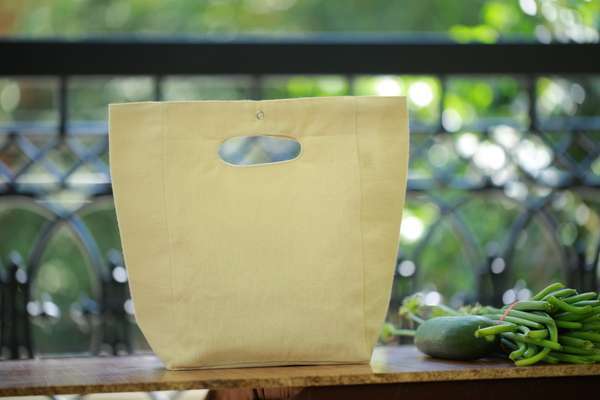


Top Canvas Bag Manufacturer in India

Why Sustainable Canvas Bags Are Dominating the Market

The demand for sustainable products has seen exponential growth in the last decade, with consumers, brands, and governments actively shifting toward eco-friendly alternatives. Among these, canvas bags have emerged as a powerful symbol of sustainability, style, and conscious living. Once considered a simple utility item, canvas bags today represent a lifestyle choice—one that aligns with environmental responsibility and modern aesthetics.

From retail stores and corporate brands to students, travelers, and eco-conscious shoppers, canvas bags are everywhere. Their dominance in the global accessories market is not just a trend but a transformation driven by changing consumer behavior, strict environmental policies, and the long-term benefits they offer.

This comprehensive blog explores why sustainable canvas bags are dominating the market, what makes them increasingly preferred over plastics and synthetics, and why businesses are adopting canvas bags as a core element of modern branding.

1. The Global Shift Toward Sustainable Living

Sustainability is no longer optional—it is an expectation. As climate concerns increase, consumers are now redefining their purchasing decisions. People want products that reduce environmental impact, replace single-use plastics, promote long-term value, and reflect eco-friendly values.

Canvas bags tick all these boxes. Made from natural fibers like cotton, hemp, or organic blends, they are biodegradable, renewable, and reusable for years. This global shift has created a fertile ground for the widespread popularity of canvas bags.

2. Canvas Bags as a Replacement for Plastic Pollution

One of the biggest reasons canvas bags dominate the market is their role in reducing single-use plastic. Plastic bags, which take centuries to decompose, are choking waterways, landfills, and ecosystems.

Governments worldwide have imposed plastic bag bans, penalties for single-use plastics, and mandatory use of reusable bags. Canvas bags emerged as the perfect replacement—durable, eco-friendly, and stylish.

Consumers feel proud using them, while brands adopt them to demonstrate environmental responsibility.

3. Durability and Strength: A Major Market Advantage

Canvas is known for its exceptional durability, making canvas bags long-lasting compared to paper or thin fabric bags. Their tight weave provides high strength, tear resistance, strong load-carrying capacity, and long-term usability.

This durability makes canvas bags ideal for grocery shopping, corporate giveaways, college bags, travel bags, and everyday lifestyle use.

The ability to reuse a single canvas bag hundreds of times significantly amplifies its value, making it a clear winner in the market.

4. A Versatile Fashion Accessory for All Ages

Canvas bags are no longer just functional—they are fashionable. Their simple, earthy, minimalist aesthetic fits perfectly into modern fashion trends.

They can be styled as tote bags, shoulder bags, sling bags, travel bags, grocery totes, and laptop-friendly bags.

Designers enjoy the creative freedom canvas offers, allowing them to experiment with prints, colors, textures, embroidery, typography, and custom branding. This versatility is a major reason canvas bags dominate retail and lifestyle markets.

5. Budget-Friendly and Value for Money

Canvas bags offer high value at an affordable cost. Unlike synthetic or designer accessories, canvas bags give users long-term durability, elegant aesthetics, eco-friendly materials, reusable functionality, and competitive pricing.

For businesses, canvas bags are cost-effective branding solutions. They work as promotional merchandise or packaging alternatives without raising budget concerns.

6. Perfect for Branding and Corporate Gifting

One of the strongest driving factors behind the dominance of canvas bags is their customization potential. Brands love using canvas bags because they are easy to print on, great for logos, graphics, and slogans, long-lasting marketing tools, and perfect for events, campaigns, and giveaways.

Each time a customer carries a branded canvas bag, it becomes free advertising for the business.

Companies in retail, fashion, real estate, education, fitness, and hospitality now rely on canvas bags as a smart branding choice.

7. Eco-Conscious Consumers Prefer Canvas Bags

Consumers today are informed and conscious. They actively choose products that reflect their values and care for the planet.

Canvas bags appeal to this consumer mindset because they are plastic-free, biodegradable, made using natural fibers, safe to recycle, and long-lasting.

This emotional and ethical connection strengthens their dominance in the modern market.

8. Government Policies Encouraging Reusable Bags

Across the world, governments are enforcing strict laws to ban plastic bags, encourage reusable alternatives, promote cloth and canvas bags, and reduce carbon footprints.

This regulatory push plays a massive role in establishing canvas bags as the go-to choice for consumers and businesses alike.

9. Rising Demand in Retail, E-commerce & Lifestyle Brands

Retail stores and e-commerce packaging are undergoing a sustainable evolution. From apparel brands to grocery giants, businesses are shifting from plastic bags to canvas bags for product packaging, customer shopping bags, reusable shipping alternatives, and brand merchandise.

This demand surge is a major reason canvas bags dominate commercial markets.

10. Canvas Bags Blend Ethics With Aesthetics

Modern consumers want ethics and aesthetics together. Canvas bags deliver both effortlessly.

They offer stylish designs, neutral colors suitable for all outfits, eco-friendly materials, a premium feel without the high price, and customizable options.

This combination of ethics and beauty makes canvas bags a universal favorite.

11. Health, Safety & Skin-Friendly Benefits

Canvas bags are made from natural fibers that are safe for users, especially compared to synthetic bags, which may contain harmful dyes, plastics, and chemical coatings.

Canvas is breathable, washable, and skin-friendly, making it ideal for kids, students, adults, and elderly users.

This added safety factor further contributes to their dominance in the market.

Canvas Bags in India: The Rise of Local Manufacturers

As sustainability becomes a priority across India, the need for high-quality canvas bags has surged. Many businesses now look for a trusted Canvas Bag Manufacturer in India who can deliver durable, eco-friendly, and customizable bags that align with modern consumer expectations.

Local manufacturers support the growing demand by offering bulk production, unique designs, and superior quality that suits both retail and corporate use.

Why Casa Fashion Stands Out as a Leading Canvas Bag Manufacturer in India

Casa Fashion has earned a strong reputation for quality craftsmanship, sustainable materials, and modern designs. As a top Canvas Bag Manufacturer in India, the brand offers a diverse range of canvas bags that combine durability with aesthetic appeal.

Their focus on eco-conscious production and meticulous stitching sets them apart in the industry.

How Businesses Benefit by Choosing Casa Fashion for Canvas Bags

Brands that partner with Casa Fashion , a trusted Canvas Bag Manufacturer in India, enjoy advantages such as customized branding, bulk production, strong material quality, and long-lasting products.

Their bags help businesses promote sustainability while offering customers reusable, fashionable alternatives.

TAKE AWAY

Sustainable canvas bags are dominating the market because they align perfectly with global trends of eco-consciousness, durability, style, and long-term value. Their ability to replace plastic pollution, serve as branding tools, and cater to fashion-conscious users makes them a must-have in today’s world.

With leading manufacturers like Casa Fashion, a trusted Canvas Bag Manufacturer in India businesses and consumers can embrace high-quality canvas bags that support sustainability while offering unmatched practicality and style.


Trusted Baby Cloth Diaper Manufacturer & Exporter in India

Softness and Comfort in Baby Cloth Diapers

Softness and comfort are the two primary qualities parents look for when choosing cloth diapers for their babies. Unlike disposable diapers, cloth diapers sit directly on the baby’s skin for long durations, making the quality of the fabric, stitching, padding, and finishing extremely important. For manufacturers, ensuring consistent softness and comfort is not just a design requirement—it is a promise of safety, skin health, and long-term value.

This detailed guide explores how manufacturers achieve and maintain the highest standards of softness and comfort in baby cloth diapers. From material selection to production technology to quality testing, every stage is designed with the baby’s wellbeing in mind.

Why Softness Matters in Baby Cloth Diapers

A baby’s skin is far more sensitive than adult skin. It is thinner, delicate, and more prone to dryness or irritation. This means any roughness, poorly finished edges, or harsh chemicals can cause rashes or discomfort.

Soft diapers: Reduce friction and irritation

Help maintain skin hydration

Allow free movement

Prevent heat buildup

Make long wear comfortable

Manufacturers therefore focus on selecting gentle, breathable, hypoallergenic materials and using skin-friendly processing techniques.

Key Factors That Determine Comfort in Cloth Diapers

Comfort in cloth diapers is influenced by design, material, structure, and absorbency. A comfortable diaper should be:

Soft to the touch

Breathable

Stretchable

Absorbent

Lightweight

Secure without being tight

To achieve this, manufacturers follow strict production guidelines, quality checks, and fabric selection norms.

1. Choosing the Right Materials for Maximum Softness

Material selection is the foundation of softness and comfort. The fabrics used in baby cloth diapers undergo extensive testing and approval before production.

a) Organic Cotton

A favourite for its softness and breathability. Organic cotton is free from pesticides and harmful chemicals, making it ideal for sensitive baby skin.

b) Bamboo Fabric

Naturally antimicrobial, extremely soft, and highly absorbent. Bamboo velour and bamboo fleece are widely used in premium cloth diapers.

c) Microfiber Layers

Used in the absorbent inner core because of its quick-dry properties. However, it is never placed directly on skin because it can cause dryness.

d) Muslin and Double-Gauze Cotton

Soft, lightweight, and airy—perfect for preventing heat rash.

e) Modal and TENCEL™

Eco-friendly, silky, and naturally cooling fabrics that enhance comfort.

Manufacturers choose materials using a balance of softness, durability, eco-friendliness, and cost efficiency.

2. Advanced Processing Techniques to Enhance Softness

The raw fabric alone does not determine softness. Manufacturers use specific processing methods that make the fabric plush and baby-friendly.

a) Enzyme Treatment

Helps remove rough fibers and makes the cloth smoother and softer.

b) Mechanical Softening

Fabric is stretched, beaten, or brushed to increase softness without chemicals.

c) Pre-Washing and Pre-Shrinking

Ensures the material remains soft and stable even after repeated washes.

d) Eco-Friendly Finishing

Avoids harsh chemicals, opting for plant-based or water-based finishes.

3. Multi-Layer Construction for Comfort and Breathability

Manufacturers strategically combine multiple layers to balance absorbency with comfort.

Typical structure includes:

Top Layer – ultra-soft fabric touching the skin

Absorbent Core – materials like bamboo or microfiber

Outer Layer – breathable, waterproof layer like PUL (Polyurethane Laminate)

This layered structure ensures the baby remains dry while the skin feels soft and cushioned.

4. Ergonomic Design That Supports Movement and Comfort

Manufacturers pay close attention to how a baby moves—crawling, rolling, sitting, sleeping. A good diaper should never restrict movement.

Key comfort-focused design features:

Elasticated waistbands that stretch without leaving marks

Soft leg gussets for leak prevention without tightness

Contoured shapes matching body curves

Adjustable snap buttons or Velcro for the perfect fit

Lightweight padding to avoid bulkiness

5. Breathability: A Crucial Component of Comfort

Even the softest fabric can cause discomfort if it traps heat. This is why manufacturers prioritize breathability.

Breathable materials:

Allow airflow

Reduce sweat accumulation

Prevent rashes

Maintain skin temperature

Modern cloth diapers use breathable waterproof materials that block leaks but permit airflow.

6. Absorbency and Softness: Finding the Right Balance

Absorbency is vital, but overly thick layers can compromise softness. Manufacturers carefully choose absorbent cores that retain maximum liquid while staying light.

Popular absorbent materials include:

Bamboo fleece

Hemp cotton blends

Microfiber

Cotton terry

This balance ensures the baby feels dry and comfortable without bulk.

7. Stitching, Seam Quality, and Finishing Techniques

Rough seams can irritate delicate skin. Manufacturers ensure:

Flatlock stitching for smooth edges

Soft elastic casings

Seamless inner linings

Double-folded binding edges

Every detail is designed to prevent chafing and friction.

8. Testing Methods to Ensure Softness & Comfort Standards

High-quality manufacturers run multiple tests before releasing any product.

a) Touch and Feel Tests

Experts evaluate the softness manually.

b) Skin-Friendliness Tests

Ensures that no allergens or irritants are present.

c) Absorbency Tests

Measures how quickly the material can soak liquid.

d) Stretch and Stress Tests

Ensures fabric remains soft even after multiple wears and washes.

e) Wash Durability Tests

Diapers are washed 50–100 times to test long-term softness.

This rigorous testing guarantees parents can trust the product.

9. Eco-Friendly Manufacturing Enhances Softness Naturally

Sustainable manufacturing practices eliminate harsh chemicals and promote naturally soft fabrics.

Examples:

Organic cotton farming

Plant-based dyes

Minimal chemical processing

Recycling water in manufacturing

Eco-friendly production results in fabrics that stay soft longer and are healthier for babies.

Why Choosing a Trusted Manufacturer Matters

Not all cloth diapers are made alike. A reputable manufacturer prioritizes:

Fabric quality

Safety standards

Comfort checks

Design efficiency

Skin sensitivity testing

Parents benefit from reliable, durable, high-performance diapers that keep the baby happy, rash-free, and comfortable throughout the day.

How Leading Manufacturers in India Maintain Softness & Comfort

When choosing Baby Cloth Diaper Manufacturer and Supplier in India, parents often look for brands that maintain strict softness and comfort standards. Certified materials, meticulous stitching, and advanced softening techniques ensure that diapers remain gentle and protective even after repeated washing cycles.

Why Casa Fashion Excels as a Baby Cloth Diaper Manufacturer and Supplier in India

Casa Fashion focuses on softness, skin safety, and premium comfort features in every diaper they produce. Their material selection, eco-conscious production, and child-friendly designs make them a trusted Baby Cloth Diaper Manufacturer and Supplier in India for parents who want only the best.

Choosing Casa Fashion for Reliable, Skin-Friendly Cloth Diapers

Softness, comfort, breathability, and innovative design come together in Casa Fashion’s products. As a leading Baby Cloth Diaper Manufacturer and Supplier in India, the brand continues to set high standards with high-quality fabrics and thoughtfully engineered diaper designs.

TAKE AWAY

Softness and comfort are non-negotiable in baby cloth diapers, and manufacturers work tirelessly to perfect these qualities through material science, ergonomic design, fabric testing, and eco-friendly production methods. For parents seeking the best, Casa Fashion stands out as a trusted Baby Cloth Diaper Manufacturer and Supplier in India ensuring babies enjoy all-day comfort, safety, and long-lasting softness.

Top Kitchen Towels Supplier & Manufacturer in India

Kitchen Towels: An Essential Yet Neglected Kitchen Item

Kitchen towels are among the most frequently used items in every household, restaurant, and commercial kitchen. From wiping spills to drying hands, cleaning surfaces, holding hot utensils, and polishing cutlery, kitchen towels play a role in almost every cooking task. But despite their importance, they are also one of the most neglected items when it comes to hygiene and safety.

Many people do not realise that kitchen towels can quickly become breeding grounds for harmful bacteria. Because they remain damp, are constantly handled, and often touch multiple surfaces, they can easily carry contaminants like E. coli, Salmonella, yeasts, molds, and other pathogens. Studies show that contaminated towels can transfer bacteria directly to food, utensils, and hands—leading to foodborne illnesses.

This is why maintaining proper towel hygiene is not just a good practice but a kitchen essential. In this detailed blog, we will explore everything you need to know about the safety of your kitchen towels, how to keep them hygienic, when to replace them, and what to look for when purchasing high-quality towels for everyday use.

1. The Hidden Dangers Lurking in Kitchen Towels

Many people think a simple wash can keep a kitchen towel clean, but the reality is far more complex. Towels are exposed to multiple contaminants, such as:

  • Raw meat juices
  • Dirty hands
  • Wet surfaces
  • Food particles
  • Oil and grease
  • Microorganisms from the sink and counters

Bacteria thrive in warm, moist environments, which makes a damp kitchen towel the perfect home for rapid bacterial growth. A single contaminated towel can spread bacteria to:

  • Food preparation surfaces
  • Hands
  • Cooking equipment
  • Drying dishes

This cross-contamination is one of the leading causes of household food poisoning.

2. Why Kitchen Towels Get Dirty Quickly

Kitchen towels are used frequently and for a variety of tasks. But the primary reasons they become dirty so quickly include:

2.1 Frequent Moisture Exposure

Towels are often used to dry wet hands or wipe spills, leaving them constantly damp—an ideal environment for bacteria.

2.2 Multipurpose Usage

Using the same towel for tasks like drying hands, wiping surfaces, and cleaning spills increases the chances of microbial contamination.

2.3 Improper Drying

Towels that are crumpled, stored in dark corners, or left hanging without enough air circulation remain damp longer.

2.4 Infrequent Washing

Most households do not wash kitchen towels daily, even though they should.

2.5 Material Choice

Low-quality fabrics absorb moisture but fail to release it during drying, increasing bacterial retention.

3. How Cross-Contamination Happens in Your Kitchen

Cross-contamination occurs when germs from one surface or food item transfer to another. Kitchen towels are a primary medium because they come in contact with almost everything.

Examples of Cross-Contamination:

  • Using a towel after handling raw chicken
  • Drying hands that were not properly washed
  • Wiping countertops with food residue
  • Using a towel that has touched the floor

The bacteria present on towels can survive for hours or even days. Every time you use a contaminated towel, you are spreading bacteria around the kitchen.

4. Signs Your Kitchen Towels Are Unsafe

You may think your towels look clean, but bacteria are invisible. However, some signs indicate that your towels need immediate replacement or washing:

  • A musty or sour smell
  • Discoloration or dark patches
  • Rough texture caused by wear
  • Dampness that doesn’t dry quickly
  • Visible stains
  • Mold or mildew

If you notice any of these signs, it is time to retire the towel.

5. Essential Hygiene Tips to Keep Your Kitchen Towels Safe

Following proper hygiene practices can significantly reduce the risk of contamination.

5.1 Change Towels Daily

Experts recommend replacing kitchen towels every 24 hours. If you cook frequently, change them even more often.

5.2 Separate Towels by Purpose

  • Drying hands
  • Wiping dishes
  • Cleaning spills
  • Handling hot utensils

Labeling or color-coding towels helps prevent misuse.

5.3 Wash Towels at High Temperature

Use hot water (60°C or above) to kill bacteria and remove oils, stains, and odors.

5.4 Dry Towels Completely

Machine-dry or sun-dry towels until they are completely dry before reusing them.

5.5 Avoid Using Towels to Wipe Raw Meat Juices

This is one of the biggest causes of foodborne illness. Always use disposable tissues instead.

5.6 Replace Old or Damaged Towels

Old towels lose absorbency and become less hygienic. Replace them every few months depending on usage.

5.7 Keep Towels Separate from Cleaning Cloths

Do not mix dish towels with cleaning rags used for floors or bathrooms.

5.8 Avoid Leaving Towels on Countertops

Hang them in a well-ventilated area to dry properly.

5.9 Use Antibacterial Detergents

They help reduce microbial growth and keep towels fresh longer.

5.10 Practice Good Handwashing

Even the cleanest towel is unsafe if your hands carry germs.

6. Choosing the Right Kitchen Towels for Safe Usage

Not all kitchen towels are made equal. The material and construction affect hygiene, absorbency, durability, and drying time.

6.1 Material Matters
  • 100% Cotton – high absorbency and quick drying
  • Microfiber – traps fine dirt and dries faster
  • Linen – naturally antibacterial and fast drying

Avoid synthetic fabrics that trap odors and do not dry properly.

6.2 Weave Type
  • Terry weave for high absorbency
  • Flat weave for quick drying
  • Waffle weave for multi-purpose usage
6.3 Size and Thickness

Choose towels that are thick enough for absorbency but light enough for fast drying.

6.4 Color and Print

Light colours help detect stains easily, while dark colours hide them but may encourage longer usage.

6.5 Odor Resistance

Some premium towels come with antimicrobial properties to prevent odor build-up.

7. Why High-Quality Kitchen Towels Matter More Than You Think

High-quality kitchen towels are not just about aesthetics—they directly impact hygiene.

Benefits of Using Premium Towels:

  • Lower bacteria retention
  • Faster drying
  • Longer lifespan
  • Better absorbency
  • Less odor buildup
  • Safe for food-related use

Investing in quality towels ensures better hygiene for you and your family.

8. Mistakes People Commonly Make with Kitchen Towels
  • Using the same towel for everything
  • Letting towels stay wet for long periods
  • Washing towels with regular clothes
  • Ignoring foul smells
  • Overusing old towels
  • Leaving towels near the stove or sink

Avoiding these mistakes significantly improves safety.

9. Sustainable Kitchen Towel Practices for a Cleaner Home

Eco-friendly kitchen hygiene practices benefit both your home and the environment:

  • Choose reusable, washable towels over disposable wipes
  • Use sun-drying to naturally disinfect towels
  • Repurpose old towels for non-kitchen cleaning tasks
  • Opt for organic cotton or bamboo towels

Better towel practices reduce waste, support sustainability, and promote healthier kitchens.

10. What to Look for When Choosing a Kitchen Towels Manufacturer in India

When purchasing towels in bulk or for long-term use, selecting a reliable Kitchen Towels Manufacturer in India ensures:

  • High-quality materials
  • Proper fabric testing
  • Hygienic manufacturing processes
  • Durability and consistency
  • Eco-friendly options

Trusted manufacturers provide towels that meet hygiene standards and last longer with daily usage.

11. Why Casa Fashion Is a Preferred Name for Quality Kitchen Towels

Casa Fashion is known for producing superior-quality kitchen towels crafted for performance, hygiene, and durability. Their advanced weaving techniques, premium materials, and strict quality checks ensure towels that are safe, long-lasting, and suitable for both home and commercial kitchens.

12. How Casa Fashion Supports Buyers Looking for a Kitchen Towels Manufacturer in India

For businesses, retailers, and hospitality brands searching for a dependable Kitchen Towels Manufacturer in India, Casa Fashion delivers exceptional value. Their towels combine absorbency, hygiene, and durability—making them an ideal choice for safe kitchen practices.

Conclusion

Keeping your kitchen towels clean is one of the simplest yet most essential steps in maintaining kitchen hygiene. From preventing bacterial contamination to improving safety, the right towel practices make a huge difference. By choosing quality towels from a trusted brand like Casa Fashion, and relying on a reliable Kitchen Towels Manufacturer in India you ensure a healthier cooking environment for you, your family, or your customers. Hygiene starts with small habits—and your kitchen towels play a bigger role than you think.

Top Round Sack Type Bag Manufacturer in India | High-Quality Custom Sack Bags

Introduction

In the fast-paced world of logistics and supply chain management, efficiency, durability, and sustainability are essential factors. Every component, from packaging materials to transportation tools, plays a vital role in ensuring that products reach their destinations safely and cost-effectively. Among the various packaging options available today, round sack type bags have emerged as a versatile and practical solution for transporting bulk materials across industries.

These bags, known for their cylindrical shape and robust construction, have become a preferred choice in sectors such as agriculture, manufacturing, food processing, and retail. Their design ensures maximum space utilization, while their strong material composition allows them to withstand the rigorous demands of storage and transit. But what makes these bags such a game-changer in logistics? Let’s explore how round sack type bags contribute to the efficiency and sustainability of modern supply chains.

1. The Evolution of Packaging in Supply Chains

Packaging has always been more than just a protective covering; it’s a strategic tool that influences operational efficiency, product safety, and environmental impact. In earlier decades, companies relied heavily on rigid containers, wooden crates, and single-use plastics for bulk transportation. While these options provided protection, they were often heavy, space-consuming, and environmentally unsustainable.

With advancements in material technology, flexible packaging solutions such as round sack type bags began to gain prominence. These bags are typically made from woven polypropylene or other durable fabrics, offering high strength-to-weight ratios, resistance to tearing, and reusability. Their evolution marks a shift from wasteful, rigid packaging systems to adaptable, lightweight, and sustainable solutions — perfectly aligning with the growing global emphasis on efficiency and green logistics.

2. Key Features of Round Sack Type Bags

Round sack type bags stand out due to their unique structure and material benefits. Below are some of their key features:

Cylindrical Design: Their rounded structure ensures even distribution of weight, which helps maintain balance during stacking and transportation.

High Load Capacity: Depending on the material and weave density, these bags can hold anywhere from 25 kg to over 1000 kg of goods.

Breathable Fabric Options: For industries like agriculture or food processing, breathable woven materials prevent moisture buildup, preserving product quality.

UV Resistance: Many modern sacks are UV-stabilized, making them suitable for outdoor storage and long-distance transport.

Reusability: Their durable composition allows multiple uses, reducing waste and lowering overall packaging costs.

These attributes make round sack type bags a versatile choice across industries, from packaging grains and seeds to handling chemicals, fertilizers, and construction materials.

3. Enhancing Supply Chain Efficiency

Efficiency in supply chain management is all about maximizing productivity while minimizing waste, time, and costs. Round sack type bags play a crucial role in achieving this balance.

a. Space Optimization: The round design allows for efficient stacking and better use of available space in warehouses and shipping containers. This directly translates to reduced transportation costs per unit.

b. Easy Handling and Transportation: With options for lifting loops, discharge spouts, and closure mechanisms, these bags simplify loading, unloading, and storage processes — enhancing overall operational flow.

c. Reduced Product Loss: Their durable material prevents punctures and leaks, ensuring that the contents remain intact throughout the supply chain.

d. Lightweight Design: Compared to rigid containers, these bags are significantly lighter, which reduces fuel consumption during transportation.

Collectively, these factors contribute to faster turnaround times, improved resource allocation, and lower logistical costs — essential metrics for any efficient supply chain.

4. The Role of Round Sack Bags in Sustainable Logistics

Sustainability is no longer an afterthought in logistics; it’s a priority. Companies are increasingly seeking eco-friendly alternatives that minimize their environmental footprint without compromising functionality. Round sack type bags are a step in that direction.

Many of these bags are made from recyclable polypropylene or natural fibers, which are more sustainable than single-use plastics or non-recyclable composites. Their long lifespan also means fewer replacements are needed, leading to less waste generation. Additionally, their light weight contributes to reduced carbon emissions during transportation, aligning with the global push toward greener logistics.

By choosing such sustainable packaging options, companies not only meet regulatory standards but also enhance their brand image as environmentally responsible businesses.

5. Industry Applications of Round Sack Type Bags

Round sack type bags are widely used across multiple sectors due to their adaptability:

Agriculture: For packaging grains, fertilizers, seeds, and animal feed.

Food Industry: For storing bulk products like sugar, flour, and spices.

Construction: For sand, cement, and other granular materials.

Chemicals and Minerals: For safe containment of powders and granules.

Retail and Distribution: For transporting packaged goods efficiently.

Each of these industries benefits from the durability, customizability, and cost-effectiveness of round sack type bags, making them indispensable for bulk packaging and logistics operations.

6. Customization and Branding Opportunities

Beyond their practical advantages, round sack type bags also serve as a branding opportunity for manufacturers and suppliers. Businesses can customize these bags with logos, color schemes, and printed information about the product or brand. This transforms an ordinary packaging tool into a mobile marketing medium that reinforces brand visibility at every stage of the supply chain.

Customization also allows manufacturers to tailor the bags to specific product requirements — such as size, strength, coating, or barrier properties — ensuring that the packaging aligns with both functional and aesthetic needs.

7. The Growing Demand for Sustainable Packaging in India

India’s logistics and manufacturing sectors are rapidly evolving, with a growing emphasis on sustainability and operational efficiency. The government’s push toward eco-friendly packaging and the circular economy model has accelerated the demand for reusable and recyclable materials.

Round sack type bags, with their blend of strength, lightness, and sustainability, perfectly fit this requirement. Indian manufacturers are increasingly investing in advanced weaving technologies, digital printing, and eco-conscious materials to meet global standards and support both domestic and export markets.

8. Why Choose Casafashion – A Trusted Round Sack Type Bag Manufacturer in India

When it comes to sourcing premium-quality, durable, and sustainable packaging solutions, Casafashion stands as a leading Round Sack Type Bag Manufacturer in India. With years of expertise in crafting high-performance bags, Casa Fashion combines cutting-edge manufacturing technology with eco-friendly materials to deliver products that align with both industrial needs and environmental goals.

The company offers a wide range of customization options — including size, fabric strength, UV treatment, and branding — ensuring that every client receives tailor-made solutions suited to their logistics requirements. Casafashion’s commitment to quality, consistency, and sustainability makes it a preferred partner for businesses across agriculture, food, and industrial sectors.

9. Sustainable Practices and Innovation at Casafashion

Casafashion doesn’t just manufacture bags; it champions responsible production. The brand integrates sustainable practices throughout its operations — from sourcing recyclable raw materials to optimizing energy-efficient manufacturing processes. By prioritizing eco-conscious innovation, Casafashion ensures that each Round Sack Type Bag Manufacturer in India solution supports a greener and more efficient future.

Through continuous R&D, the company strives to enhance durability while minimizing environmental impact, setting new benchmarks in the packaging industry.

TAKE AWAY: Redefining Logistics with Sustainable Packaging Solutions

In today’s global supply chain, sustainability and efficiency are no longer competing goals — they are complementary pillars of modern logistics. Round sack type bags exemplify this balance by offering strength, reusability, and environmental responsibility in a single package.

With leading manufacturers like Casafashion, the future of packaging looks brighter and greener. As a trusted Round Sack Type Bag Manufacturer in India Casafashion continues to deliver innovative, durable, and sustainable packaging solutions that empower businesses to achieve both operational efficiency and eco-conscious excellence.

Top Canvas Shoulder Bag Manufacturer in India

Introduction

In recent years, sustainability has transformed from a trend into a global responsibility. Consumers, businesses, and governments alike are seeking eco-friendly alternatives that reduce environmental impact and promote green living. Among the many products that have emerged as sustainable heroes, canvas shoulder bags stand out as both practical and environmentally responsible.

Lightweight, durable, and reusable, canvas shoulder bags are more than just fashion accessories—they represent a commitment to sustainability. Whether used for shopping, commuting, or travel, these bags combine functionality with conscious living, making them a perfect choice for eco-minded individuals.

This article explores the environmental benefits of canvas shoulder bags, how they reduce waste, and why they are a cornerstone of sustainable fashion and green business initiatives.

The Shift Toward Eco-Friendly Materials

The textile and fashion industries are among the largest contributors to global pollution. Synthetic materials such as polyester and nylon are made from petroleum-based compounds that take centuries to decompose. As awareness grows about the harmful effects of these materials, more consumers and companies are turning toward natural, biodegradable options like cotton, jute, and canvas.

Canvas, a heavy-duty woven fabric made primarily from cotton or linen, has emerged as one of the most sustainable alternatives. It is strong, reusable, and biodegradable—making it a smart choice for reducing plastic waste. Unlike single-use bags that end up in landfills, canvas shoulder bags can be reused hundreds of times, significantly cutting down on waste generation.

Understanding What Makes Canvas Sustainable

Canvas owes its eco-friendly reputation to its natural origins and long-lasting durability. The fabric is typically made from organic cotton, which requires less water and fewer chemicals to grow than conventional cotton. Additionally, it’s recyclable and compostable at the end of its life cycle.

Key sustainability factors include:

Natural Fiber Base: Canvas is made from renewable plant-based materials.

Low Energy Production: Manufacturing canvas requires less energy than synthetic fabrics.

Biodegradability: It decomposes naturally without releasing toxins into the environment.

Reusability: A single canvas bag can replace hundreds of disposable plastic bags.

These qualities make canvas one of the most environmentally responsible materials available for bag production.

The Role of Canvas Shoulder Bags in Reducing Plastic Waste

Plastic pollution remains one of the most pressing environmental challenges of our time. Single-use plastic bags, in particular, pose a serious threat to marine life and ecosystems. Governments worldwide are implementing bans or restrictions on plastic bags, pushing both consumers and companies to look for alternatives.

Canvas shoulder bags provide a long-term solution. Their durability allows them to be used repeatedly for years, minimizing the need for disposable bags. Even when they wear out, canvas bags can be repaired or recycled into other useful items such as cleaning cloths or smaller pouches.

By adopting canvas bags for daily use, consumers contribute directly to reducing plastic consumption and supporting a cleaner planet.

Canvas Bags and Carbon Footprint Reduction

The environmental benefits of canvas extend beyond waste reduction. Because canvas is made from natural fibers, its carbon footprint is significantly lower compared to petroleum-based materials.

Manufacturing synthetic fabrics emits large amounts of greenhouse gases, while the cultivation of cotton and other natural fibers can even help offset carbon through photosynthesis. Moreover, since canvas bags are reusable and long-lasting, fewer resources are needed over time to replace them, further reducing environmental impact.

When consumers switch from disposable to reusable canvas shoulder bags, they actively support a lifestyle that conserves energy, water, and natural resources.

Versatility Meets Sustainability

Canvas shoulder bags are not only eco-friendly—they are also incredibly versatile. Their sturdy construction and spacious design make them suitable for a wide range of uses, such as:

Daily Commutes: Perfect for carrying books, laptops, or essentials.

Shopping Trips: Replaces plastic bags for groceries and retail items.

Travel Companion: Lightweight and durable for carrying travel essentials.

Fashion Statement: Available in stylish designs that suit casual or formal looks.

This combination of practicality and aesthetics makes canvas bags a favorite among environmentally conscious consumers who refuse to compromise on style.

The Fashion Industry’s Embrace of Canvas

Sustainability is now at the forefront of fashion innovation. Major brands and local artisans alike are rethinking materials and manufacturing practices to align with eco-friendly values. Canvas has become a staple in this movement, not only for its minimal environmental footprint but also for its timeless appeal.

Designers are increasingly using organic dyes, natural pigments, and eco-friendly printing techniques to enhance canvas shoulder bags. The result is a product that’s both fashionable and sustainable—a true representation of modern, conscious design.

Why Consumers Love Canvas Shoulder Bags

Beyond sustainability, canvas shoulder bags offer unmatched usability and charm. Consumers are drawn to them for several reasons:

Durability: Canvas can withstand daily wear and tear.

Low Maintenance: Easy to wash and care for.

Personalization: Easily customizable with prints or embroidery.

Unisex Appeal: Suitable for all genders and age groups.

The growing popularity of these bags is a reflection of changing consumer attitudes toward sustainability and conscious consumption.

Supporting Green Business Practices

Businesses, too, are embracing canvas shoulder bags as part of their sustainability initiatives. Many brands now use eco-friendly bags as promotional merchandise, employee gifts, or retail packaging. These bags not only reduce plastic use but also reflect a brand’s commitment to corporate social responsibility (CSR).

By switching to reusable canvas bags, companies send a strong message about their environmental values while engaging customers in sustainable practices.

Economic Benefits of Choosing Canvas

While the initial cost of canvas shoulder bags may be slightly higher than disposable alternatives, their long-term benefits make them a cost-effective choice. Because of their durability and reusability, businesses and consumers save money over time. Additionally, companies that use eco-friendly packaging often enjoy enhanced brand reputation and customer loyalty.

In short, investing in canvas bags is not just good for the planet—it’s good for business.

Canvas and the Circular Economy

The concept of the circular economy focuses on minimizing waste and keeping materials in use for as long as possible. Canvas fits perfectly into this model because of its reusability and recyclability. Even when a bag reaches the end of its life, it can be upcycled into new items or returned to the environment without harm.

This closed-loop approach is a vital part of global sustainability strategies, helping to conserve resources and reduce landfill waste.

The Growing Market for Canvas Bags in India

India has become a key player in the global movement toward sustainable products. The demand for eco-friendly bags has surged, with both local and international buyers seeking reliable and ethical manufacturers. Canvas bags, especially shoulder styles, have seen remarkable growth due to their combination of functionality, durability, and style.

As consumers and businesses shift toward sustainable options, India’s manufacturing industry has stepped up with innovative and high-quality canvas bag production.

Casafashion: A Trusted Canvas Shoulder Bag Manufacturer in India

Among the leading names in sustainable manufacturing, Casafashion stands out as a trusted Canvas Shoulder Bag Manufacturer in India. With a focus on quality craftsmanship and environmental responsibility, Casa Fashion produces premium canvas bags that cater to modern lifestyle needs while supporting green initiatives.

Their designs blend strength, elegance, and sustainability—perfect for businesses, retailers, and eco-conscious consumers looking for dependable, stylish solutions. Each bag is crafted from responsibly sourced materials and designed for long-term use, reflecting the brand’s dedication to reducing environmental impact.

The Sustainable Manufacturing Practices of Casafashion

What sets Casafashion apart as a leading Canvas Shoulder Bag Manufacturer in India is its commitment to sustainable manufacturing. The company prioritizes eco-friendly production processes such as:

Using organic cotton and natural dyes.

Reducing water and energy consumption during production.

Ensuring ethical labor practices.

Minimizing waste through efficient material utilization.

This dedication to ethical and green production ensures that every Casafashion bag contributes to a cleaner planet.

Partnering with Casafashion for Sustainable Growth

For brands and retailers seeking to align their business with sustainability goals, partnering with Casafashion offers a reliable path forward. As a prominent Canvas Shoulder Bag Manufacturer in India, Casafashion provides customizable, high-quality bags that not only meet functional demands but also enhance environmental credibility.

Their extensive experience, modern facilities, and eco-conscious values make them an ideal partner for businesses looking to embrace sustainable solutions without compromising on quality or aesthetics.

FINAL THOUGHTS

Canvas shoulder bags have become powerful symbols of sustainability and conscious living. Their reusability, durability, and eco-friendly materials make them an ideal replacement for plastic alternatives. More than just accessories, they represent a collective effort to reduce waste and protect the environment.

Casafashion, a leading Canvas Shoulder Bag Manufacturer in India, exemplifies how quality craftsmanship and environmental responsibility can go hand in hand. By choosing Casafashion’s canvas products, individuals and businesses contribute to a greener, more sustainable future—where every bag carries not just essentials, but also the promise of a better planet.