

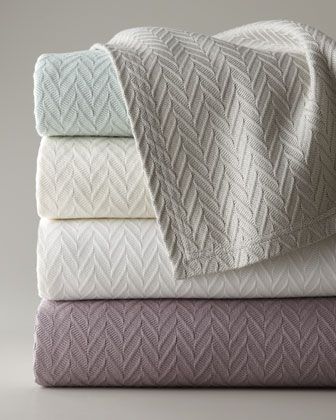
Leading Bed Linen Manufacturer & Exporter in India

INTRODUCTION

The textile and home furnishing industry is experiencing a profound shift — one that’s redefining how comfort, luxury, and sustainability coexist. In recent years, a significant number of bed linen manufacturers have begun embracing organic cotton as the preferred material for their collections. This transition isn’t just a passing trend; it reflects a larger commitment to environmental responsibility, consumer health, and long-term quality.

Organic cotton has emerged as a cornerstone of sustainable living, offering softness, breathability, and eco-friendly production without the environmental costs of conventional cotton. This blog explores the reasons behind this transition, how it benefits consumers and the planet, and why organic cotton is shaping the future of the bedding industry.

1. The Rising Awareness of Eco-Friendly Textiles

Over the past decade, the awareness around sustainability has reached new heights. Consumers today are more conscious about where their products come from, how they are made, and their impact on the environment.

The textile industry, historically known for its resource-intensive and chemical-heavy practices, has been under increasing scrutiny. In response, manufacturers are re-evaluating their processes — from raw material sourcing to dyeing and packaging — to align with eco-friendly standards.

For bed linen manufacturers, this shift means turning toward natural, chemical-free, and renewable materials such as organic cotton. The choice resonates with environmentally aware customers who seek to reduce their carbon footprint without compromising comfort and quality.

2. What Makes Organic Cotton Different?

At first glance, organic cotton looks and feels similar to conventional cotton. However, the difference lies in how it is grown, harvested, and processed.

Organic cotton is cultivated without synthetic pesticides, herbicides, or genetically modified seeds. Instead, farmers rely on natural compost, crop rotation, and biological pest control to maintain soil fertility and plant health. This sustainable approach not only protects the ecosystem but also produces cleaner, safer fibers for human use.

Furthermore, organic cotton processing avoids harsh bleaches and toxic dyes. The result is fabric that is gentler on the skin, hypoallergenic, and free from harmful residues.

3. Environmental Benefits of Organic Cotton Production

The environmental benefits of organic cotton are extensive and well-documented. Unlike traditional cotton farming — which relies heavily on chemical inputs and water — organic cotton emphasizes sustainability and biodiversity.

Reduced Water Consumption: Organic farming practices help retain soil moisture through mulching and natural irrigation. Studies show that organic cotton farming uses up to 91% less water than conventional methods.

Chemical-Free Cultivation: Without the use of pesticides or fertilizers, organic farming preserves soil quality, protects pollinators, and minimizes chemical runoff into water systems.

Lower Carbon Footprint: The absence of synthetic fertilizers means reduced greenhouse gas emissions, making organic cotton a climate-friendly choice.

Biodiversity Preservation: Organic farms encourage natural ecosystems, fostering beneficial insects and promoting healthier environments.

By choosing organic cotton, manufacturers play an active role in supporting sustainable agriculture and conserving natural resources.

4. Health and Comfort: A Win-Win for Consumers

While sustainability is a strong motivation, comfort remains the top priority for bedding products. Organic cotton excels in both areas.

Because it is grown without chemical residues, organic cotton fabric is naturally hypoallergenic and breathable — making it ideal for people with sensitive skin or allergies. Its fibers are softer and stronger, resulting in smoother textures and longer-lasting bed linens.

The natural moisture-wicking properties of organic cotton ensure that the fabric stays cool and dry, providing better sleep comfort in all climates. This combination of comfort and health benefits makes it a preferred choice among conscious consumers.

5. Durability and Long-Term Value

Organic cotton’s quality extends beyond softness — it’s also more durable than conventionally grown cotton. Since the fibers are not weakened by chemical treatments, they retain their integrity over multiple washes.

This means that bed linens made from organic cotton last longer, hold color better, and resist wear and tear — delivering greater value for both customers and manufacturers. In an era where consumers are moving away from disposable products, durability plays a crucial role in brand loyalty and sustainability.

6. Ethical Production and Fair Trade Practices

Another key reason behind the growing preference for organic cotton is the ethical dimension of its production. Many organic cotton initiatives are tied to fair trade programs that ensure farmers are paid fairly and work in safe conditions.

By supporting ethical supply chains, manufacturers are not just producing high-quality products — they are contributing to social sustainability. Workers are empowered, child labor is prevented, and farming communities thrive with stable incomes.

These values resonate deeply with today’s consumers, who prioritize transparency and ethics in their purchasing decisions.

7. Meeting Global Certification Standards

Organic cotton products typically carry certifications such as GOTS (Global Organic Textile Standard) or OEKO-TEX® Standard 100, which verify that the entire production process — from cultivation to final fabric — meets strict environmental and social criteria.

For manufacturers, these certifications are not just badges of honor but also vital trust-building tools. They assure customers that the product they purchase aligns with sustainable and ethical practices.

8. The Economic Case for Organic Cotton

Although the initial cost of organic cotton farming is higher due to manual labor and certification processes, it yields long-term economic benefits. Organic farming improves soil fertility, reducing dependency on costly synthetic inputs.

Moreover, as demand for sustainable products rises, the premium price associated with organic cotton ensures better profitability for manufacturers. This growing market segment provides a competitive edge for businesses looking to align with eco-conscious consumer trends.

9. Design and Aesthetic Advantages of Organic Cotton

Beyond environmental and health benefits, organic cotton also offers superior design flexibility. Its natural fibers absorb dyes more effectively, resulting in rich, vibrant colors that remain consistent over time.

Manufacturers can explore minimalist, bohemian, or luxury aesthetics with ease, knowing the material’s natural sheen enhances the overall visual appeal. The texture of organic cotton also feels softer and more refined, making it ideal for luxury bedding lines that combine sustainability with elegance.

10. Consumer Demand Driving Industry Transformation

The rise of eco-conscious living has revolutionized consumer behavior. Shoppers are actively seeking sustainable alternatives, and bedding is no exception. Surveys show that a growing percentage of buyers now prefer organic and sustainable textiles over conventional ones.

This shift in demand is prompting manufacturers to rethink their sourcing and production strategies. Those who adapt early — by transitioning to organic cotton — are better positioned to capture the trust and loyalty of environmentally conscious consumers.

11. Challenges in Adopting Organic Cotton

Despite its advantages, the switch to organic cotton comes with challenges. Limited availability, higher production costs, and the need for strict certification can pose barriers for small and medium-sized manufacturers.

However, as more farmers adopt organic practices and sustainable supply chains strengthen, these challenges are gradually being addressed. The long-term benefits — ecological, ethical, and economic — far outweigh the initial transition costs.

12. The Future of the Bed Linen Industry

The future of bed linen manufacturing is undeniably green. The move toward organic cotton represents a holistic evolution — one that prioritizes planet-friendly production without compromising on luxury or comfort.

With growing awareness, global regulations, and innovation in sustainable farming, the adoption of organic cotton will soon become the norm rather than the exception. Brands that champion this shift early are setting benchmarks for responsible luxury and environmental stewardship.

13. Choosing a Reliable Bed Linen Manufacturer in India

If you’re seeking premium-quality bedding solutions, partnering with a trusted Bed Linen Manufacturer in India ensures access to craftsmanship, quality control, and eco-friendly materials. India’s textile industry has deep roots in cotton production, and many manufacturers now specialize in organic and sustainable textiles that meet international standards.

By working with a reputed manufacturer, hotels, retailers, and home decor brands can achieve the perfect balance of luxury, sustainability, and performance — ensuring products that delight customers and respect the planet.

14. Casa Fashions: Redefining Comfort with Organic Cotton

Casa Fashions, a leading Bed Linen Manufacturer in India, stands at the forefront of this green transformation. The brand specializes in designing and producing premium organic cotton bed linens that combine sustainability with sophistication.

From sourcing ethically grown cotton to employing eco-friendly dyeing and finishing techniques, Casa Fashions ensures every product reflects purity, quality, and care. Their linens are crafted for comfort, durability, and timeless appeal, making them the preferred choice for eco-conscious households and hospitality brands alike.

15. Why Choose Casa Fashions for Your Organic Bedding Needs

Casa Fashion not only emphasizes sustainability but also elevates luxury. Their commitment to craftsmanship, innovation, and ethical sourcing ensures that every piece of bed linen tells a story of elegance and responsibility.

As an experienced Bed Linen Manufacturer in India, Casa Fashions offers customized solutions for retailers, hotels, and individual buyers who value comfort and conscience in equal measure. Their organic cotton collections are designed to last — both in quality and in environmental impact.

Conclusion

The global movement toward organic cotton marks a new era in textile sustainability. For bed linen manufacturers, this shift is not merely about trends — it’s about responsibility, innovation, and enduring quality.

Brands like Casa Fashions, a trusted Bed Linen Manufacturer in India exemplify how eco-friendly materials can redefine comfort while preserving the planet. With organic cotton, the bedding industry is embracing a cleaner, safer, and more sustainable future — one that lets customers sleep soundly, knowing their comfort comes from a source of care and conscience.

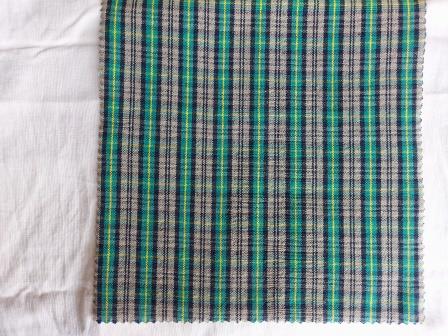
Best Linen Fabric Manufacturer & Supplier in India

Introduction

In recent years, sustainability has moved beyond being just a buzzword — it has become a global responsibility. The fashion industry, once notorious for waste and pollution, is now actively seeking eco-friendly alternatives. Among the many sustainable fabrics available today, linen stands out as a timeless, versatile, and environmentally responsible material. Derived from the flax plant, linen has been used for thousands of years and continues to symbolize purity, comfort, and sustainability.

However, what makes linen even more relevant in today’s context is its vital role in green clothing — a movement that prioritizes environmentally conscious materials and manufacturing practices. The rising importance of linen has led to a significant transformation in how linen fabric manufacturers in India and across the world operate.

This blog explores how linen promotes green clothing, the eco-friendly advantages of the manufacturing process, and why choosing sustainable linen can revolutionize the future of fashion.

1. Understanding the Concept of Green Clothing

Green clothing, or sustainable fashion, is a holistic approach to apparel production that minimizes environmental impact. It focuses on reducing waste, using natural fibers, promoting ethical labor practices, and creating long-lasting garments.

Traditional textiles like polyester and nylon, which are derived from petrochemicals, contribute heavily to pollution and microplastic contamination. Green clothing seeks to replace these materials with natural alternatives like cotton, hemp, bamboo, and linen.

Linen, in particular, has emerged as a frontrunner due to its biodegradability, low water consumption, and minimal need for chemical processing. By integrating linen into the global fashion supply chain, brands and manufacturers are aligning themselves with the principles of green living and ethical production.

2. Linen: Nature’s Gift to Sustainable Fashion

Linen is made from the fibers of the flax plant, one of the oldest cultivated crops in human history. What sets flax apart from other crops is its minimal environmental footprint. It grows quickly, requires little irrigation, and thrives even in poor soil conditions.

Unlike other textile crops, flax does not demand extensive fertilizers or pesticides, making it inherently sustainable. Moreover, every part of the flax plant can be utilized — the seeds for oil, the stalks for fiber, and the by-products for paper or insulation materials. This zero-waste approach makes linen a favorite among eco-conscious brands.

Additionally, linen fibers are naturally strong, breathable, and durable. This means garments made from linen last longer, thereby reducing the frequency of replacement — another crucial factor in promoting green fashion.

3. How Linen Fabric Production Supports Environmental Responsibility

The process of producing linen fabric involves several eco-friendly steps that distinguish it from other textile manufacturing processes.

Minimal Water Usage: Compared to cotton, flax requires significantly less water to cultivate. This conserves water resources, a growing concern in many parts of the world.

Reduced Chemical Dependency: Linen manufacturing relies less on synthetic fertilizers and chemical treatments. Even during retting (the process of separating fiber from stalk), modern techniques have evolved to ensure eco-friendly water or dew retting methods.

Energy Efficiency: The production process for linen consumes less energy compared to synthetic fabric production, thereby reducing carbon emissions.

Biodegradability: Linen is 100% biodegradable. At the end of its life cycle, it decomposes naturally without leaving harmful residues in the environment.

By integrating these sustainable steps, linen manufacturers contribute immensely to lowering the fashion industry’s carbon footprint.

4. Linen and Consumer Awareness in the Green Revolution

Today’s consumers are becoming increasingly aware of the environmental consequences of their clothing choices. They are more likely to purchase garments made from natural, responsibly sourced fibers.

This shift in consumer behavior is driving the demand for eco-friendly fabrics like linen. More people are willing to pay for products that align with their values of environmental protection and ethical sourcing.

As a result, linen has become synonymous with conscious living. Many fashion brands now highlight linen collections as part of their green clothing lines. From designer outfits to everyday wear, linen’s popularity continues to grow because of its natural charm, comfort, and sustainability.

5. The Economic Impact of Sustainable Linen Production

The sustainable linen industry does not only promote environmental well-being — it also drives economic growth. In countries like India, where textile manufacturing is a major economic sector, linen fabric manufacturers are creating jobs while embracing green production methods.

Local farmers benefit from the cultivation of flax, as it grows well even in less fertile soil. Additionally, the demand for sustainable fabrics opens export opportunities for manufacturers.

This growing market is encouraging more textile producers to adopt eco-friendly practices, leading to a positive cycle of environmental and economic sustainability.

6. Technological Advancements in Linen Manufacturing

Technology has played a key role in modernizing linen production while keeping sustainability at its core. Advanced spinning, weaving, and dyeing technologies allow manufacturers to produce higher-quality linen with less environmental impact.

Digital Dyeing: Reduces water waste and minimizes the use of harmful chemicals.

Mechanical Retting: Improves fiber separation efficiency without environmental pollution.

Automated Looms: Enhance fabric consistency while reducing production waste.

These innovations not only improve the quality and durability of linen fabrics but also ensure that sustainability goals remain intact.

7. Linen in Everyday Fashion: Comfort Meets Consciousness

Linen is one of the few fabrics that seamlessly combines comfort with environmental consciousness. Its natural breathability makes it ideal for hot climates, while its texture gives garments a sophisticated, organic feel.

From business suits to casual summer dresses, linen’s adaptability makes it a go-to choice for designers seeking sustainable elegance. Moreover, as more consumers seek transparency from brands, the traceability of linen fibers — from farm to fashion — adds an extra layer of authenticity and trust.

8. Challenges in Promoting Sustainable Linen

Despite its many benefits, the global adoption of linen still faces certain challenges:

Higher Production Costs: The natural processing and cultivation methods are more expensive than synthetic alternatives.

Limited Awareness: Many consumers remain unaware of linen’s environmental advantages.

Competition from Fast Fashion: The rise of low-cost synthetic clothing still overshadows sustainable materials in mass markets.

However, with growing environmental awareness and global policy changes favoring sustainability, these barriers are gradually being overcome.

9. The Growing Role of Linen Fabric Manufacturers in India

In India, linen fabric manufacturers are playing a critical role in shaping the future of sustainable fashion. With advancements in production and access to global markets, these manufacturers are ensuring that the country becomes a key hub for eco-friendly textile exports.

By maintaining stringent quality control and adopting green manufacturing practices, they are helping brands worldwide meet the increasing demand for sustainable fabrics. This collaboration between technology, tradition, and sustainability positions Indian manufacturers as leaders in the global linen revolution.

10. Why Choose a Trusted Partner Like Casa Fashions for Sustainable Linen

Among the leading names driving sustainability in the textile industry, Casa Fashions stands out for its commitment to producing high-quality, eco-friendly linen fabrics. As one of the reputed linen fabric manufacturers in India, the company emphasizes environmentally responsible production processes while ensuring superior design and finish.

Casa Fashions integrates innovation and sustainability, offering fabrics that meet global standards without compromising ecological balance. Whether for apparel, interiors, or fashion accessories, their linen products reflect authenticity, comfort, and long-lasting value.

11. Supporting Sustainable Style Through Ethical Manufacturing

Ethical manufacturing is the foundation of green fashion, and Casa Fashion embodies this principle through transparent sourcing and eco-friendly production. As a recognized linen fabric manufacturer in India, the brand uses natural fibers, low-impact dyes, and energy-efficient systems to minimize waste and carbon emissions.

Their commitment to sustainability ensures that each fabric tells a story of care — for both the environment and the people involved in its creation.

12. Conclusion: Linen — The Fabric of a Sustainable Future

Linen’s contribution to promoting green clothing is undeniable. Its natural origins, minimal environmental impact, and timeless beauty make it the ideal choice for sustainable fashion. As more consumers shift toward eco-conscious living, the demand for high-quality, responsibly produced linen will continue to grow.

Brands like Casa Fashions, a trusted name among linen fabric manufacturers in Indiaare leading this transformation by delivering premium-quality, sustainable linen fabrics to the world. With innovation, ethical practices, and environmental stewardship at its heart, Casa Fashions is redefining what it means to dress green — one fabric at a time.

100% Pure Linen Fabric Manufacturers in India

Introduction

In recent years, sustainability has moved beyond being just a buzzword — it has become a global responsibility. The fashion industry, once notorious for waste and pollution, is now actively seeking eco-friendly alternatives. Among the many sustainable fabrics available today, linen stands out as a timeless, versatile, and environmentally responsible material. Derived from the flax plant, linen has been used for thousands of years and continues to symbolize purity, comfort, and sustainability.

However, what makes linen even more relevant in today’s context is its vital role in green clothing — a movement that prioritizes environmentally conscious materials and manufacturing practices. The rising importance of linen has led to a significant transformation in how linen fabric manufacturers in India and across the world operate.

This blog explores how linen promotes green clothing, the eco-friendly advantages of the manufacturing process, and why choosing sustainable linen can revolutionize the future of fashion.

1. Understanding the Concept of Green Clothing

Green clothing, or sustainable fashion, is a holistic approach to apparel production that minimizes environmental impact. It focuses on reducing waste, using natural fibers, promoting ethical labor practices, and creating long-lasting garments.

Traditional textiles like polyester and nylon, which are derived from petrochemicals, contribute heavily to pollution and microplastic contamination. Green clothing seeks to replace these materials with natural alternatives like cotton, hemp, bamboo, and linen.

Linen, in particular, has emerged as a frontrunner due to its biodegradability, low water consumption, and minimal need for chemical processing. By integrating linen into the global fashion supply chain, brands and manufacturers are aligning themselves with the principles of green living and ethical production.

2. Linen: Nature’s Gift to Sustainable Fashion

Linen is made from the fibers of the flax plant, one of the oldest cultivated crops in human history. What sets flax apart from other crops is its minimal environmental footprint. It grows quickly, requires little irrigation, and thrives even in poor soil conditions.

Unlike other textile crops, flax does not demand extensive fertilizers or pesticides, making it inherently sustainable. Moreover, every part of the flax plant can be utilized — the seeds for oil, the stalks for fiber, and the by-products for paper or insulation materials. This zero-waste approach makes linen a favorite among eco-conscious brands.

Additionally, linen fibers are naturally strong, breathable, and durable. This means garments made from linen last longer, thereby reducing the frequency of replacement — another crucial factor in promoting green fashion.

3. How Linen Fabric Production Supports Environmental Responsibility

The process of producing linen fabric involves several eco-friendly steps that distinguish it from other textile manufacturing processes.

Minimal Water Usage: Compared to cotton, flax requires significantly less water to cultivate. This conserves water resources, a growing concern in many parts of the world.

Reduced Chemical Dependency: Linen manufacturing relies less on synthetic fertilizers and chemical treatments. Even during retting (the process of separating fiber from stalk), modern techniques have evolved to ensure eco-friendly water or dew retting methods.

Energy Efficiency: The production process for linen consumes less energy compared to synthetic fabric production, thereby reducing carbon emissions.

Biodegradability: Linen is 100% biodegradable. At the end of its life cycle, it decomposes naturally without leaving harmful residues in the environment.

By integrating these sustainable steps, linen manufacturers contribute immensely to lowering the fashion industry’s carbon footprint.

4. Linen and Consumer Awareness in the Green Revolution

Today’s consumers are becoming increasingly aware of the environmental consequences of their clothing choices. They are more likely to purchase garments made from natural, responsibly sourced fibers.

This shift in consumer behavior is driving the demand for eco-friendly fabrics like linen. More people are willing to pay for products that align with their values of environmental protection and ethical sourcing.

As a result, linen has become synonymous with conscious living. Many fashion brands now highlight linen collections as part of their green clothing lines. From designer outfits to everyday wear, linen’s popularity continues to grow because of its natural charm, comfort, and sustainability.

5. The Economic Impact of Sustainable Linen Production

The sustainable linen industry does not only promote environmental well-being — it also drives economic growth. In countries like India, where textile manufacturing is a major economic sector, linen fabric manufacturers are creating jobs while embracing green production methods.

Local farmers benefit from the cultivation of flax, as it grows well even in less fertile soil. Additionally, the demand for sustainable fabrics opens export opportunities for manufacturers.

This growing market is encouraging more textile producers to adopt eco-friendly practices, leading to a positive cycle of environmental and economic sustainability.

6. Technological Advancements in Linen Manufacturing

Technology has played a key role in modernizing linen production while keeping sustainability at its core. Advanced spinning, weaving, and dyeing technologies allow manufacturers to produce higher-quality linen with less environmental impact.

Digital Dyeing: Reduces water waste and minimizes the use of harmful chemicals.

Mechanical Retting: Improves fiber separation efficiency without environmental pollution.

Automated Looms: Enhance fabric consistency while reducing production waste.

These innovations not only improve the quality and durability of linen fabrics but also ensure that sustainability goals remain intact.

7. Linen in Everyday Fashion: Comfort Meets Consciousness

Linen is one of the few fabrics that seamlessly combines comfort with environmental consciousness. Its natural breathability makes it ideal for hot climates, while its texture gives garments a sophisticated, organic feel.

From business suits to casual summer dresses, linen’s adaptability makes it a go-to choice for designers seeking sustainable elegance. Moreover, as more consumers seek transparency from brands, the traceability of linen fibers — from farm to fashion — adds an extra layer of authenticity and trust.

8. Challenges in Promoting Sustainable Linen

Despite its many benefits, the global adoption of linen still faces certain challenges:

Higher Production Costs: The natural processing and cultivation methods are more expensive than synthetic alternatives.

Limited Awareness: Many consumers remain unaware of linen’s environmental advantages.

Competition from Fast Fashion: The rise of low-cost synthetic clothing still overshadows sustainable materials in mass markets.

However, with growing environmental awareness and global policy changes favoring sustainability, these barriers are gradually being overcome.

9. The Growing Role of Linen Fabric Manufacturers in India

In India, linen fabric manufacturers are playing a critical role in shaping the future of sustainable fashion. With advancements in production and access to global markets, these manufacturers are ensuring that the country becomes a key hub for eco-friendly textile exports.

By maintaining stringent quality control and adopting green manufacturing practices, they are helping brands worldwide meet the increasing demand for sustainable fabrics. This collaboration between technology, tradition, and sustainability positions Indian manufacturers as leaders in the global linen revolution.

10. Why Choose a Trusted Partner Like Casa Fashions for Sustainable Linen

Among the leading names driving sustainability in the textile industry,Casa Fashion stands out for its commitment to producing high-quality, eco-friendly linen fabrics. As one of the reputed linen fabric manufacturers in India, the company emphasizes environmentally responsible production processes while ensuring superior design and finish.

Casa Fashions integrates innovation and sustainability, offering fabrics that meet global standards without compromising ecological balance. Whether for apparel, interiors, or fashion accessories, their linen products reflect authenticity, comfort, and long-lasting value.

11. Supporting Sustainable Style Through Ethical Manufacturing

Ethical manufacturing is the foundation of green fashion, and Casa Fashions embodies this principle through transparent sourcing and eco-friendly production. As a recognized linen fabric manufacturer in India, the brand uses natural fibers, low-impact dyes, and energy-efficient systems to minimize waste and carbon emissions.

Their commitment to sustainability ensures that each fabric tells a story of care — for both the environment and the people involved in its creation.

12. Conclusion: Linen — The Fabric of a Sustainable Future

Linen’s contribution to promoting green clothing is undeniable. Its natural origins, minimal environmental impact, and timeless beauty make it the ideal choice for sustainable fashion. As more consumers shift toward eco-conscious living, the demand for high-quality, responsibly produced linen will continue to grow.

Brands like Casa Fashions, a trusted name among linen fabric manufacturers in India are leading this transformation by delivering premium-quality, sustainable linen fabrics to the world. With innovation, ethical practices, and environmental stewardship at its heart, Casa Fashions is redefining what it means to dress green — one fabric at a time.

Top Round Sack Type Bag Manufacturer in India

Introduction

Packaging has always been a vital element across industries, serving not just as a means of transporting goods but also as a tool for branding, safety, and sustainability. Among the wide variety of packaging solutions available, round sack type bags are gaining significant momentum in modern industries. These bags are not just durable but also versatile, making them a preferred choice for bulk packaging in agriculture, chemicals, construction, and retail.

In recent years, the demand for round sack type bags has skyrocketed due to their convenience, strength, and adaptability. As industries continue to look for eco-friendly and cost-effective packaging solutions, round sack bags have emerged as an industry favorite. This blog explores why these bags are in demand, the industries that benefit most, their key advantages, and why manufacturers are focusing more on producing them.

Understanding Round Sack Type Bags

Round sack type bags are essentially woven polypropylene or fabric-based bags designed in a cylindrical shape, offering high strength and uniformity. Unlike traditional flat bags, the round design eliminates side seams, which improves durability and reduces the risk of tearing.

Some common features of round sack bags include:

Seamless design – Enhances load-carrying capacity.
Lightweight yet strong – Easy to transport without adding extra bulk.
Moisture resistance – Protects products from external conditions.
Customizability – Can be printed with branding, product information, or barcodes.

Because of these attributes, round sack bags are ideal for industries handling heavy and bulk goods.

Why Industries Prefer Round Sack Type Bags

Industries are increasingly shifting to round sack bags for several reasons:

Superior Strength – Their seamless design ensures uniform weight distribution, reducing the chances of damage during transport.
Eco-Friendly Option – Many manufacturers now produce recyclable or biodegradable versions.
Cost-Effective – They provide long-lasting durability, reducing replacement needs.
Space-Efficient – Their round structure allows for better stacking, optimizing warehouse space.
Custom Branding – Companies can easily print their logos and designs for enhanced visibility.

Industries Driving the Demand

Agriculture

Farmers and distributors prefer round sack bags for packaging grains, pulses, fertilizers, and seeds. Their durability ensures that crops are transported safely without spillage.

Chemicals and Fertilizers

Chemical companies use these bags for storing and transporting powder, granules, and other bulk products that require strong, non-reactive packaging.

Construction Materials

Cement, sand, and aggregates are often transported in round sack bags due to their resilience and load-bearing capacity.

Retail and E-Commerce

With bulk deliveries and supply chain expansion, retailers and e-commerce businesses are leveraging round sack bags for safe packaging and branding.

Advantages Over Traditional Packaging

Round sack type bags provide unique benefits that set them apart from other packaging solutions:

Higher Load Capacity – Their seamless structure supports heavier loads.
Reduced Damage – Less chance of tearing compared to stitched bags.
Reusable – Many are designed to be reused multiple times.
Better Aesthetics – Clean cylindrical shapes look professional and neat.
Environmental Sustainability – Many are recyclable, aligning with green packaging trends.

The Role of Innovation in Round Sack Type Bags

The demand surge has also led to innovations in design and materials:

UV Protection – Bags designed to withstand outdoor exposure.
Lamination – Provides extra moisture resistance.
Ventilated Bags – Useful for products like onions or potatoes requiring airflow.
Smart Packaging – Some bags now come with QR codes for tracking and authentication.

These innovations ensure that round sack type bags remain relevant across sectors and adaptable to specific industry needs.

The Sustainability Angle

One of the strongest drivers behind the growth of round sack bags is sustainability. As companies are under pressure to reduce plastic waste and adopt eco-friendly packaging, round sack type bags offer a viable solution. Manufacturers are experimenting with recycled polypropylene and biodegradable fabrics to create greener alternatives without compromising durability.

Challenges in Meeting the Growing Demand

While the demand is rising, manufacturers face challenges like:

• Raw material price fluctuations affecting production costs.
• Need for advanced machinery to create high-quality seamless bags.
• Rising competition leading to pressure on pricing and differentiation.
• Adoption of sustainability practices requiring investment in R&D.

Despite these hurdles, manufacturers are continuously upgrading technology and expanding production capacities to meet industry expectations.

Global Market Trends

Globally, the demand for industrial packaging solutions like round sack bags is on the rise. Growth is driven by:

• Expanding agricultural exports.
• Booming construction and infrastructure development.
• Growth in chemical and fertilizer industries.
• Increasing awareness of eco-friendly packaging solutions.

Experts predict double-digit growth in the next decade, with Asia, particularly India, being one of the leading markets.

Future of Round Sack Type Bags

The future looks promising as industries increasingly adopt innovative and sustainable packaging. Trends that will shape the industry include:

• Integration of smart technology (QR codes, RFID).
• Greater emphasis on recyclability and biodegradable materials.
• Automation in manufacturing to meet large-scale demand.
• Global export opportunities for manufacturers from emerging economies.

Why Indian Manufacturers Are at the Forefront

India has become a hub for packaging innovation and manufacturing due to its robust industrial base, skilled labor, and cost-effective production capabilities. With demand surging both domestically and internationally, Indian manufacturers are set to play a pivotal role in shaping the future of round sack type bags.

Growing Importance of Partnering with a Trusted Round Sack Type Bag Manufacturer in India

For businesses looking to scale efficiently, collaborating with a reliable Round Sack Type Bag Manufacturer in India ensures access to quality, innovation, and sustainable practices. Such manufacturers can provide bulk solutions tailored to specific industry requirements, offering both durability and cost-effectiveness.

Why Casa Fashion Excels as a Round Sack Type Bag Manufacturer in India

Among the many players in the industry, Casa Fashion has emerged as a trusted Round Sack Type Bag Manufacturer in India. With a commitment to sustainability, advanced production techniques, and customized solutions, Casa Fashion has been catering to diverse industries with unmatched quality.

Partnering with Casa Fashion for Reliable Packaging Solutions in India

When it comes to dependable packaging, Casa Fashion leads the way as a top Round Sack Type Bag Manufacturer in India. Their focus on innovation, eco-friendly practices, and customer satisfaction makes them a preferred choice for businesses seeking scalable and sustainable packaging solutions.

Final Thoughts

The demand for round sack type bags in industries is growing at an unprecedented pace. Their durability, versatility, eco-friendliness, and cost-efficiency make them a game-changer in packaging. As industries worldwide embrace greener and more reliable packaging options, round sack bags are emerging as a clear winner.

To meet this growing demand, businesses need reliable partners who can deliver quality at scale. For organizations looking for a trusted Round Sack Type Bag Manufacturer in India Casa Fashion remains a top choice—blending innovation, sustainability, and reliability to meet the evolving needs of modern industries.

Premium Tote Bag Manufacturer in India |

Why Tote Bags Are Popular Among Millennials and Gen Z

In the ever-evolving landscape of fashion and functionality, few accessories have managed to capture the hearts and wardrobes of younger generations quite like the humble tote bag. Once considered a simple shopping companion, tote bags have transformed into a cultural phenomenon that perfectly aligns with the values, lifestyle choices, and aesthetic preferences of Millennials and Gen Z. This surge in popularity isn’t just a fleeting trend – it represents a fundamental shift in how these generations approach fashion, sustainability, and self-expression.

The Perfect Intersection of Style and Practicality

Modern young adults live fast-paced, multi-faceted lives that demand accessories capable of keeping up with their dynamic routines. Tote bags offer the perfect solution to this challenge, seamlessly blending form with function in ways that traditional handbags simply cannot match. The spacious interior of a well-designed tote can accommodate everything from laptops and textbooks to gym clothes and grocery items, making it an indispensable companion for the modern lifestyle.

The versatility of tote bags extends far beyond their storage capacity. Their clean lines and minimalist design make them suitable for virtually any occasion, whether it’s a casual coffee date, a professional meeting, or a weekend adventure. This adaptability resonates strongly with younger consumers who value pieces that can transition effortlessly between different aspects of their lives, eliminating the need for multiple specialized bags.

Furthermore, the rise of remote work and hybrid lifestyles has created a generation that values portable organization. Tote bags provide the perfect vessel for carrying the essentials of modern life – from charging cables and notebooks to water bottles and snacks – all while maintaining a polished, put-together appearance.

Sustainability: A Core Value Driving Choice

Perhaps no factor has influenced the tote bag’s popularity more significantly than the growing environmental consciousness among Millennials and Gen Z. These generations have grown up witnessing the devastating effects of climate change and are increasingly making purchasing decisions based on environmental impact. Tote bags, particularly those made from sustainable materials, represent a conscious choice to reduce waste and minimize environmental harm.

The reusable nature of tote bags directly addresses one of the most visible environmental problems of our time: single-use plastic bags. By choosing a durable, reusable tote bag, young consumers can significantly reduce their contribution to plastic waste while making a visible statement about their environmental values. This practical activism appeals to generations that want their purchasing decisions to reflect their beliefs.

Many tote bags are now crafted from eco-friendly materials such as organic cotton, recycled polyester, or innovative sustainable fabrics. This evolution in materials has allowed environmentally conscious consumers to align their fashion choices with their values without sacrificing style or durability. The longevity of a well-made tote bag also appeals to consumers who are moving away from fast fashion in favor of investment pieces that will serve them for years to come.

Digital Culture and Social Media Influence

The visual nature of social media platforms has played a crucial role in popularizing tote bags among younger demographics. Instagram, TikTok, and Pinterest are filled with carefully curated lifestyle content featuring stylish individuals carrying aesthetically pleasing tote bags. These platforms have transformed the tote bag from a utilitarian item into a fashion statement and a key component of personal branding.

The photogenic quality of tote bags makes them perfect for the “outfit of the day” posts that dominate social media feeds. Their clean lines photograph well, and their spacious surface area provides an excellent canvas for logos, artwork, or messages that can enhance personal style or promote causes important to the carrier. This visual appeal has made tote bags a favorite accessory for influencers and everyday users alike who want to create compelling content.

Social media has also facilitated the rise of custom and personalized tote bags, allowing users to express their individuality and creativity. From witty slogans to artistic designs, the customization options available for tote bags have made them a popular choice for those seeking to stand out in the crowded digital landscape.

The Canvas for Self-Expression

Millennials and Gen Z are generations that highly value authenticity and individual expression. Tote bags provide an ideal platform for showcasing personal style, interests, and beliefs in a way that feels genuine and effortless. The large, flat surface of a tote bag serves as a canvas for everything from band logos and political statements to artistic designs and inspirational quotes.

This aspect of self-expression extends beyond just printed designs. The choice of material, color, size, and style of tote bag all contribute to the overall aesthetic and message that the carrier wants to convey. Whether someone opts for a minimalist canvas tote in neutral tones or a bold, colorful design with eye-catching graphics, their choice reflects their personality and values.

The ability to easily switch between different tote bags also allows for varied self-expression depending on mood, occasion, or message. This flexibility appeals to generations that resist being confined to a single style or identity, preferring instead to explore different facets of their personality through their fashion choices.

Economic Accessibility and Value

In an era of economic uncertainty and rising living costs, younger consumers are increasingly budget-conscious and value-driven in their purchasing decisions. Tote bags offer exceptional value for money, providing a high-quality, versatile accessory at a fraction of the cost of luxury handbags. This accessibility makes it possible for individuals across various economic backgrounds to participate in fashion trends and express their personal style.

The durability of well-made tote bags also contributes to their economic appeal. Unlike trendy accessories that may quickly go out of style or fall apart with regular use, a quality tote bag can serve its owner for years, making it a sound investment. This longevity aligns with the values of consumers who are moving away from disposable fashion in favor of thoughtful, lasting purchases.

Additionally, the versatility of tote bags reduces the need for multiple specialized bags, further enhancing their economic value. A single, well-chosen tote can serve as a work bag, gym bag, shopping bag, and casual accessory, eliminating the need for costly specialized alternatives.

Finding Quality and Style: The Importance of Choosing the Right Tote Bag Manufacturer in India

When it comes to sourcing high-quality tote bags that meet the demands of modern consumers, partnering with an experienced tote bag manufacturer in India can make all the difference. India has emerged as a global hub for textile manufacturing, offering a unique combination of traditional craftsmanship, modern production techniques, and competitive pricing. The country’s rich heritage in textile production, combined with its skilled workforce and advanced manufacturing capabilities, makes it an ideal destination for brands looking to create exceptional tote bags.

Casa Fashions has established itself as a leading name in this space, understanding the nuances of what makes a tote bag appealing to younger demographics. Their expertise in material selection, design innovation, and quality control ensures that every tote bag meets the high standards expected by today’s discerning consumers. By working with a reputable manufacturer, brands can access a wide range of materials, from organic cotton and recycled fabrics to innovative sustainable alternatives that align with environmental values.

The manufacturing landscape in India also offers significant advantages in terms of customization and scalability. Whether a brand needs a small batch of unique, artisanal tote bags or large-scale production for a global market, experienced manufacturers can adapt to meet specific requirements while maintaining consistent quality standards.

Casa Fashions: Leading Innovation in Sustainable Tote Bag Manufacturing

Casa Fashion represents the evolution of modern manufacturing, combining traditional Indian craftsmanship with contemporary design sensibilities and sustainable practices. As a forward-thinking tote bag manufacturer in India, they have recognized the importance of creating products that resonate with environmentally conscious consumers while maintaining the style and functionality that younger generations demand.

The company’s commitment to sustainability extends throughout their production process, from sourcing eco-friendly materials to implementing energy-efficient manufacturing techniques. This holistic approach to sustainability ensures that their tote bags not only meet the aesthetic and functional requirements of modern consumers but also align with their environmental values.

Casa Fashions’ understanding of global fashion trends and consumer preferences has enabled them to create tote bags that perfectly capture the zeitgeist of millennial and Gen Z culture. Their designs strike the perfect balance between timeless appeal and contemporary relevance, ensuring that their products remain popular across different markets and demographics.

The Future of Tote Bags: Partnering with the Right Tote Bag Manufacturer in India

As the popularity of tote bags continues to grow among younger generations, the importance of partnering with an experienced and innovative tote bag manufacturer in India becomes increasingly apparent. The future success of tote bag brands will depend on their ability to adapt to changing consumer preferences, embrace sustainable practices, and maintain the quality and style that have made tote bags so popular.

Casa Fashions is well-positioned to lead this evolution, combining decades of manufacturing expertise with a deep understanding of contemporary consumer needs. Their commitment to innovation, sustainability, and quality makes them an ideal partner for brands looking to capitalize on the continued popularity of tote bags among Millennials and Gen Z.

The Indian manufacturing sector’s continued investment in sustainable technologies, skilled workforce development, and design innovation ensures that it will remain a global leader in tote bag production. By partnering with established manufacturers like Casa Fashions, brands can access this expertise while contributing to a more sustainable and ethical fashion industry.

FINAL THOUGHTS

The popularity of tote bags among Millennials and Gen Z is far more than a simple fashion trend – it represents a fundamental shift in consumer values and lifestyle preferences. These generations have embraced tote bags because they perfectly embody the principles that matter most to them: sustainability, functionality, self-expression, and economic value. As these consumer preferences continue to evolve, the tote bag industry must adapt to meet changing demands while maintaining the core qualities that have made these accessories so beloved.

The success of any tote bag brand in today’s market depends heavily on choosing the right manufacturing partner. Working with an experienced tote bag manufacturer in India Casa Fashions provides access to the expertise, resources, and innovation necessary to create products that truly resonate with modern consumers. As we look to the future, it’s clear that tote bags will continue to play an important role in the wardrobes and lifestyles of younger generations, making them an excellent investment for both consumers and brands alike.

The enduring appeal of tote bags lies in their ability to adapt and evolve while remaining true to their core purpose: providing a practical, stylish, and sustainable solution for the needs of modern life. As long as these needs continue to exist, tote bags will remain a staple accessory for generations of conscious consumers.