

Kitchen Linen Manufacturers & Exporters in India

How Kitchen Towels Improve Kitchen Hygiene?

A clean kitchen is more than just a visually pleasing space—it is the foundation of safe food preparation and a healthy household.

While people often focus on sanitizing countertops, washing utensils, and organizing storage, one everyday item silently plays a major role in maintaining hygiene: the kitchen towel.

Often underestimated, kitchen towels are used multiple times a day for wiping hands, drying dishes, cleaning spills, and even handling hot cookware.

When chosen and used correctly, kitchen towels can significantly reduce bacterial spread, prevent cross-contamination, and support better hygiene practices.

On the other hand, poor-quality or improperly maintained towels can become breeding grounds for germs.

Understanding how kitchen towels contribute to hygiene—and how to use them effectively—can transform the way kitchens are maintained in both homes and commercial spaces.

The Role of Kitchen Towels in Daily Kitchen Activities

Kitchen towels are one of the most frequently used textiles in any kitchen.

Their constant interaction with moisture, food particles, and surfaces makes them both helpful and risky.

From drying freshly washed hands to wiping kitchen counters, towels act as the first line of cleanliness.

In daily routines, kitchen towels help control water spills, absorb oil splashes, and maintain dry surfaces.

Dry environments discourage bacterial growth, making towels essential for hygiene when used properly.

Without them, kitchens would remain damp and unhygienic, increasing the risk of mold and bacteria.

Preventing the Spread of Bacteria Through Proper Absorption

Moisture is one of the primary contributors to bacterial growth in kitchens.

Wet countertops, damp sinks, and moist utensils can harbor harmful microorganisms.

Kitchen towels, when made from absorbent materials, help remove excess moisture quickly and efficiently.

High-absorbency towels minimize the time water stays on surfaces, reducing the chance for bacteria to multiply.

This is especially important in areas around sinks and food preparation zones where water exposure is frequent.

Effective absorption ensures surfaces remain dry and safer for food handling.

Separation of Tasks Enhances Hygiene

One of the most important hygiene practices involving kitchen towels is task separation.

Using different towels for different purposes such as one for drying hands, another for wiping surfaces, and a separate one for handling hot cookware helps prevent cross-contamination.

When the same towel is used for multiple purposes, bacteria from raw food residue or dirty surfaces can easily transfer to hands or clean dishes.

Dedicated towels for specific tasks create a hygienic workflow and reduce the spread of germs across the kitchen.

Importance of Fabric Quality in Hygiene Maintenance

The fabric quality of kitchen towels plays a crucial role in how hygienic they are.

Towels made with tightly woven fibers trap less dirt and are easier to clean.

Loose weaves, on the other hand, can retain food particles and moisture, making them harder to sanitize.

Durable fabrics also withstand frequent washing at high temperatures, which is essential for killing bacteria.

Quality towels retain their shape, softness, and absorbency even after repeated washes, ensuring long-term hygiene without compromising performance.

Reducing Cross-Contamination During Food Preparation

Food preparation involves handling raw vegetables, meats, and cooked food in close proximity.

Kitchen towels help maintain cleanliness during these transitions.

By wiping hands between tasks and keeping work surfaces clean, towels act as a barrier against contamination.

Clean towels ensure that bacteria from raw ingredients do not transfer to cooked food or utensils.

This simple practice significantly lowers the risk of foodborne illnesses and promotes safer cooking habits.

Role of Kitchen Towels in Dish Drying Hygiene

Air-drying dishes is often recommended, but kitchen towels are still widely used to speed up the process.

Clean, lint-free towels help dry plates, glasses, and utensils without leaving residue.

This prevents water spots and discourages bacterial growth caused by lingering moisture.

Using freshly washed towels for dish drying ensures that clean utensils remain sanitary until their next use.

Regularly changing towels used for this purpose is key to maintaining hygiene.

Frequency of Washing and Its Impact on Cleanliness

No matter how high-quality a kitchen towel is, hygiene depends largely on how often it is cleaned.

Towels should be washed frequently, especially if they are used daily.

Damp towels left unwashed can quickly develop bacteria and unpleasant odors.

Hot water washing and proper drying are essential to remove germs effectively.

Establishing a routine for washing kitchen towels helps maintain a consistently hygienic environment.

Avoiding Common Hygiene Mistakes With Kitchen Towels

Many hygiene issues arise from improper towel usage.

Leaving towels crumpled in damp corners, using one towel throughout the day, or neglecting regular washing are common mistakes.

These practices allow bacteria to thrive and spread.

Hanging towels to dry properly after use and rotating them throughout the day helps maintain cleanliness.

Awareness of these habits can significantly improve overall kitchen hygiene.

How Professional Manufacturing Standards Improve Hygiene

Kitchen towels produced under strict quality control standards offer better hygiene performance.

Precision weaving, controlled fabric density, and standardized absorbency testing ensure consistent quality.

These factors contribute to safer and more effective towel usage in kitchens.

Manufacturers that focus on hygiene-oriented designs help users maintain cleaner kitchens with minimal effort.

Such towels are designed to meet both domestic and commercial hygiene expectations.

Why Choosing the Right Kitchen Towels Manufacturer in India Matters

Selecting a reliable kitchen Towels manufacturer in India ensures access to products that meet hygiene, durability, and performance standards.

A trusted manufacturer prioritizes quality materials, advanced production techniques, and strict inspection processes.

Well-manufactured towels offer superior absorbency, reduced bacterial retention, and longer usability.

This makes them ideal for homes, restaurants, hotels, and food processing units where hygiene is non-negotiable.

Hygiene-Focused Design Innovations by Kitchen Towels Manufacturer in India

A professional kitchen Towels manufacturer in India incorporates design innovations such as quick-drying fabrics, reinforced edges, and optimal fiber blends.

These features help towels dry faster and resist wear and tear, reducing microbial buildup.

Such design considerations directly support better hygiene by minimizing moisture retention and ensuring towels remain effective even after repeated use.

How Casa Fashion Sets Hygiene Benchmarks in Kitchen Towels

Casa Fashion focuses on delivering kitchen towels that align with modern hygiene expectations.

By emphasizing fabric quality, absorbency balance, and durability, Casa Fashion supports cleaner kitchens across households and commercial spaces.

Attention to manufacturing precision and quality control allows Casa Fashion to produce towels that enhance hygiene while offering comfort and reliability for everyday kitchen use.

Take Away

Kitchen towels play a vital role in improving kitchen hygiene when used correctly and chosen wisely.

From controlling moisture and preventing bacterial spread to supporting safe food preparation practices, their contribution is significant.

However, hygiene depends on fabric quality, proper usage, regular washing, and thoughtful task separation.

Choosing products from a trusted kitchen Towels manufacturer in India ensures better hygiene performance and long-term reliability.

With a strong commitment to quality and hygiene standards, Casa Fashion provides kitchen towels that support cleaner, safer, and healthier kitchens every day.

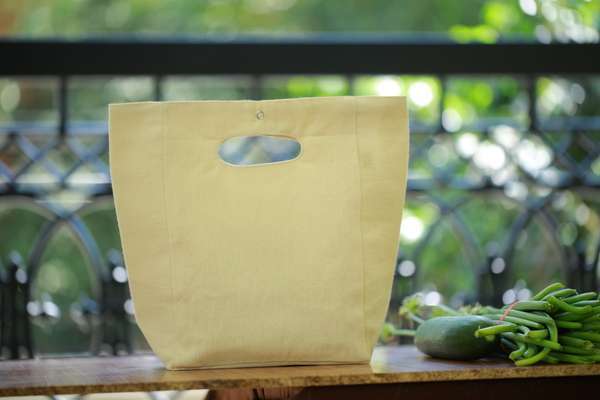
Sustainable Canvas Bag Manufacturer in India for Businesses

Comparing Local vs International Canvas Bag Manufacturers

The global demand for canvas bags has grown rapidly over the last decade, driven by increasing environmental awareness, sustainability regulations, and a shift away from single-use plastics. Canvas bags are now widely used across retail, fashion, promotional branding, and everyday utility applications.

As demand rises, buyers are often faced with a key decision: should they source canvas bags from local manufacturers or international suppliers?

Both local and international canvas bag manufacturers offer distinct advantages and challenges. Factors such as cost, quality, customization, delivery timelines, sustainability standards, and communication play a critical role in this decision-making process. Understanding these differences clearly helps businesses choose suppliers that align with their brand values, operational needs, and long-term growth plans.

This article offers an in-depth comparison of local and international canvas bag manufacturers, helping buyers make informed sourcing decisions.

Understanding Canvas Bag Manufacturing

Canvas bags are typically produced using natural cotton or blended fabrics known for their durability and eco-friendly properties. Manufacturing involves fabric weaving, cutting, stitching, printing or branding, quality inspection, and packaging.

While the basic process remains similar worldwide, the execution differs significantly based on manufacturing location, technology, workforce skills, and compliance standards.

Local manufacturers generally operate closer to the buyer’s market, while international manufacturers may cater to global export demands. Each model has its own strengths depending on buyer expectations and scale.

Cost Structure and Pricing Differences

One of the first considerations for buyers is pricing. International manufacturers often benefit from economies of scale, lower labor costs in certain regions, and bulk production capabilities. These factors can result in lower per-unit pricing for large orders.

Local manufacturers, on the other hand, may have higher production costs due to labor regulations, raw material sourcing, or smaller batch production. However, they often compensate by reducing logistics expenses, import duties, and warehousing costs.

For small to medium orders, local sourcing may be more cost-effective overall.

Hidden costs such as customs clearance delays, international freight charges, and currency fluctuations should also be considered when comparing pricing.

Quality Control and Material Standards

Quality consistency is a major concern when sourcing canvas bags. Local manufacturers often allow buyers to visit production facilities, inspect materials, and conduct quality checks in person. This hands-on approach ensures greater transparency and immediate corrective action if issues arise.

International manufacturers may follow standardized quality systems, especially those catering to global brands. However, quality assurance depends heavily on communication clarity and third-party inspection services.

Misinterpretation of specifications can sometimes result in variations in stitching, fabric thickness, or print quality.

Buyers prioritizing precision and flexibility often find local manufacturers more responsive to quality adjustments.

Customization and Design Flexibility

Customization plays a crucial role in canvas bag sourcing, especially for branding and promotional use. Local manufacturers generally excel in offering flexible design changes, low minimum order quantities, and quick sampling.

This makes them ideal for startups, boutique brands, and limited-edition collections.

International manufacturers may offer advanced printing technologies and mass customization options but often require higher minimum order quantities.

Design revisions may take longer due to time zone differences and longer approval cycles.

If frequent design updates or experimental collections are required, local sourcing offers greater agility.

Lead Time and Delivery Reliability

Speed to market is increasingly important in today’s competitive landscape. Local manufacturers typically offer shorter lead times due to proximity, faster communication, and reduced shipping durations.

This advantage is critical for businesses responding to seasonal demand or urgent replenishment needs.

International manufacturers require longer lead times due to production scheduling, international shipping, port handling, and customs clearance.

While reliable for planned bulk orders, they may pose challenges for time-sensitive projects.

Businesses operating on tight timelines often benefit from local partnerships.

Communication and Collaboration

Clear communication directly impacts production efficiency and outcomes. Working with local manufacturers allows real-time discussions, faster feedback loops, and easier collaboration.

Language familiarity and cultural alignment further enhance understanding.

International manufacturers may require structured documentation and formal communication processes.

While many exporters are experienced in global trade, differences in language, working hours, and business practices can sometimes lead to delays or misalignment.

Strong communication systems can bridge this gap, but proximity remains a key advantage for local sourcing.

Sustainability and Ethical Practices

Sustainability has become a defining factor in supplier selection. Local manufacturers often source raw materials domestically, reducing carbon emissions associated with transportation.

They may also comply more closely with local labor laws and environmental regulations.

International manufacturers may hold global certifications and eco-labels, but the environmental impact of long-distance shipping must be considered.

Ethical transparency can vary depending on regional enforcement standards.

Buyers focused on sustainable branding should evaluate both manufacturing practices and supply chain impact holistically.

Scalability and Long-Term Supply

International manufacturers generally have higher production capacity, making them suitable for large-scale, long-term supply contracts.

They are well-equipped to handle export volumes and standardized production runs.

Local manufacturers may have limited capacity but excel in consistency and relationship-driven growth.

Many businesses start with local suppliers and later expand internationally as demand increases.

Choosing the right partner depends on growth projections and volume requirements.

Choosing the Right Supplier for Your Business

There is no universal answer to whether local or international canvas bag manufacturers are better.

The ideal choice depends on business goals, order volume, customization needs, delivery timelines, and sustainability priorities.

For businesses that value flexibility, transparency, and fast turnaround, local manufacturers are often the preferred choice.

For brands requiring large volumes at competitive pricing, international suppliers may offer advantages.

Strategic sourcing may also involve a hybrid approach—using local manufacturers for premium or limited runs and international suppliers for bulk production.

Why Indian Manufacturing Is Gaining Global Attention

In recent years, India has emerged as a strong hub for eco-friendly textile production.

With access to high-quality cotton, skilled craftsmanship, and improving manufacturing infrastructure, the country offers a balance between quality and cost efficiency.

Many global buyers now actively seek a Canvas Bag Manufacturer in India to meet sustainability goals while maintaining product standards.

Indian manufacturers are also increasingly investing in ethical labor practices, modern machinery, and export compliance, making them competitive on a global scale.

Benefits of Partnering with an Indian Canvas Bag Manufacturer

Working with a Canvas Bag Manufacturer in India offers multiple advantages, including consistent raw material supply, experienced textile artisans, and scalable production capabilities.

Buyers benefit from customization options, competitive pricing, and improved communication as manufacturers adapt to international market expectations.

Additionally, Indian manufacturers often support private labeling, eco-friendly packaging, and compliance documentation required for exports.

Casa Fashion’s Approach to Quality Canvas Bags

Among emerging manufacturers, Casa Fashion focuses on combining craftsmanship with sustainability.

By emphasizing material selection, stitching precision, and customization, the brand aligns with evolving market needs.

Its approach reflects the strengths of Indian manufacturing—balancing durability, aesthetics, and ethical production standards.

Such manufacturers demonstrate how regional expertise can compete effectively with international suppliers.

Take Away

Choosing between local and international canvas bag manufacturers requires a clear understanding of business priorities.

While international suppliers may offer scale and cost benefits, local manufacturers provide flexibility, faster delivery, and closer quality control.

The growing reputation of India as a manufacturing destination has further strengthened its position in the global canvas bag market.

By working with a reliable Canvas Bag Manufacturer in India businesses can achieve a balance between sustainability, customization, and scalability.

Brands like Casa Fashion illustrate how thoughtful manufacturing practices can meet both domestic and international expectations.

Ultimately, the right sourcing decision supports long-term brand value, customer satisfaction, and responsible growth.

Trusted 100% Organic Cotton Mesh Fabric Manufacturer and Supplier in India

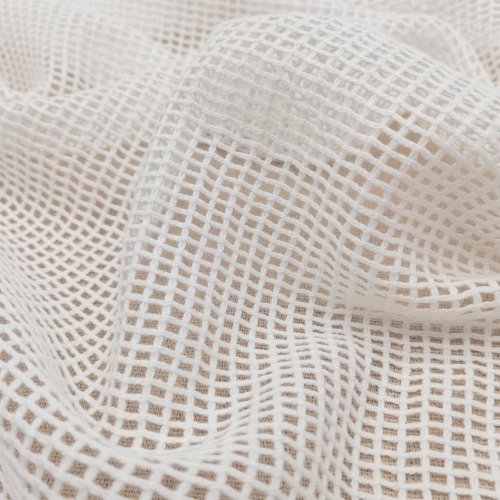
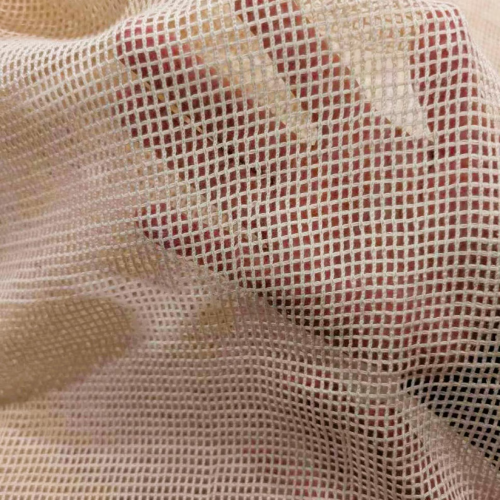
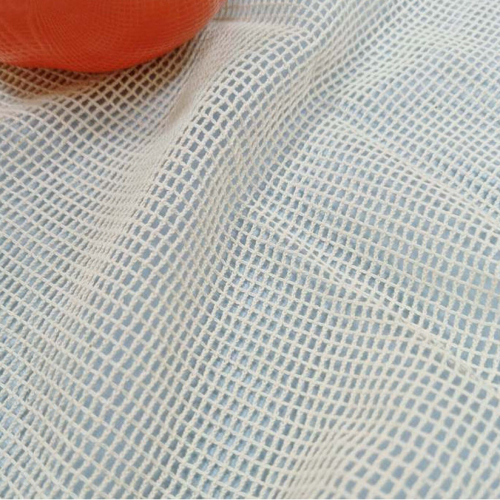
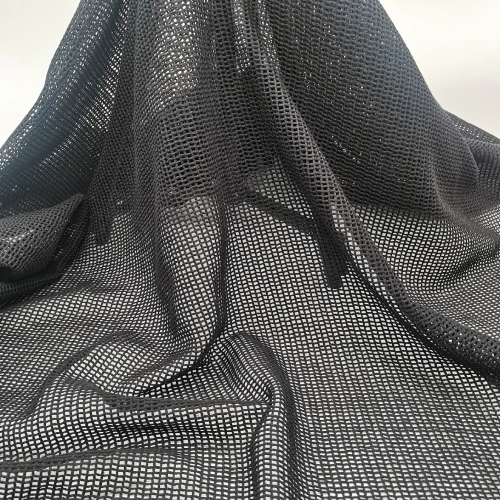
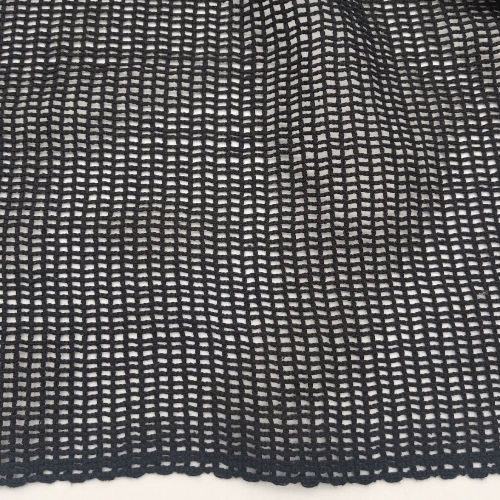
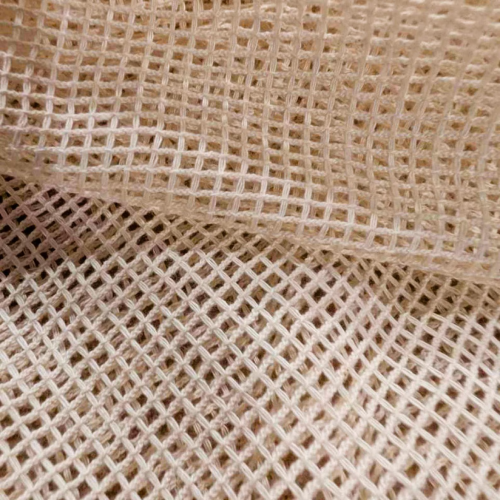
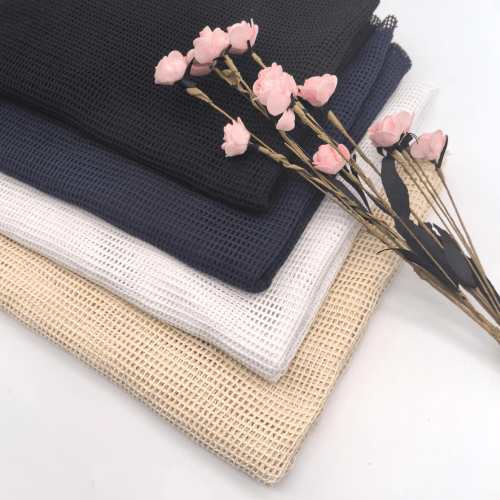
Casa Fashion, an Indian maker of 100% organic cotton mesh fabric, focuses on delivering textile options that are both high-performing and good for the environment. We’re recognized in the business, known for making High Quality Organic Mesh Weave Mesh Fabric that’s strong, breathable, and sustainable. Our mesh fabrics are a favorite for brands that want to make high-end, eco-friendly products, from fashion items to useful things for the home.


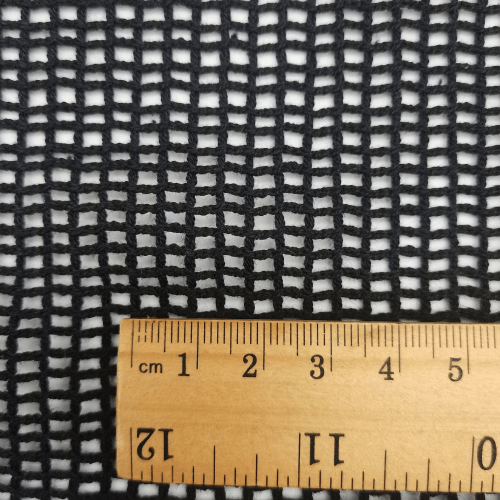
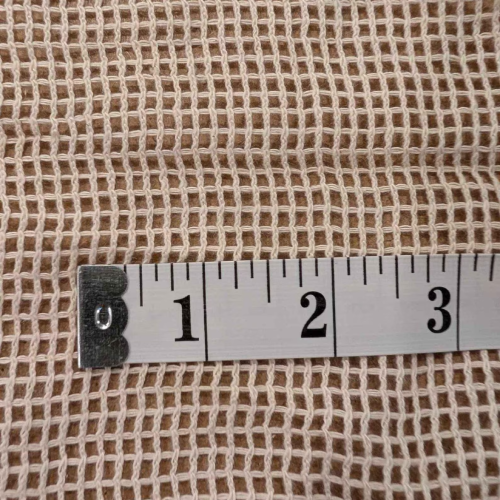
We make our top-of-the-line GOTS certified organic cotton mesh fabric using only the best natural fibers. This gives it a soft feel and keeps it free of chemicals. Casa Fashion has choices for you, no matter if you need cotton square mesh fabrics for factories or softer weaves for products people purchase. We are a top provider of 100% Cotton Fabric Manufacturer in India so we work hard to make sure our cloth shows that we care about being responsible to the environment.

Our Certifications

As a trusted 100% Cotton Fabric Supplier in India, we cater to a wide variety of customers with diverse fabric needs. From fashion designers seeking innovative materials to home décor brands looking for luxurious cotton textiles, we provide exceptional service and a wide selection of fabrics. Whether you are ordering for a large business or a personal project, Casa Fashion guarantees that you will receive high-quality cotton fabric that meets your specifications and exceeds your expectations. At Casa Fashion, we believe in the versatility and beauty of 100% Cotton fabric. Its natural fibers make it the perfect material for clothing, bed linens, cushions, and more. Our fabrics are designed with the latest trends in mind, offering a blend of timeless elegance and modern appeal. As a prominent 100% Cotton Fabric Exporter in India, we pride ourselves on delivering a wide range of cotton fabrics that meet international standards and bring unparalleled value to our clients.

Why Casa Fashions

Casa Fashion mixes old-school weaving with today’s go-green methods. We ship 100% organic cotton mesh fabrics all over the world, made just how our customers want. We can do different hole sizes in our cotton square mesh fabrics and meet specific weight needs for Grocery Bag Mesh Fabric, so we’ve got you covered. We care about being sustainable, and our certifications prove it. When you pick our GOTS certified organic cotton mesh fabric, you’re getting something that’s good for the earth and safe to use. Whether you’re a designer searching for High quality Organic Mesh Weave Mesh Fabric for a fresh line or a wholesaler wanting lots of 100% cotton mesh fabrics, Casa Fashion is the manufacturing partner you need.

Uncompromised Quality

Adhering to International Standards and Certifications

Ethical Sourcing

Partnering with ethical suppliers to ensure responsible sourcing and fair labor practices.

Cutting-Edge R&D

Investing in cutting-edge research and development to stay ahead of industry trends and innovations.

Creative Excellence

Fostering creative excellence to bring unique and stylish textile solutions to the market

Leading Canvas Bag Manufacturer in India

Comparing Local vs International Canvas Bag Manufacturers

The global demand for canvas bags has grown rapidly over the last decade, driven by increasing environmental awareness, sustainability regulations, and a shift away from single-use plastics. Canvas bags are now widely used across retail, fashion, promotional branding, and everyday utility applications. As demand rises, buyers are often faced with a key decision: should they source canvas bags from local manufacturers or international suppliers?

Both local and international canvas bag manufacturers offer distinct advantages and challenges. Factors such as cost, quality, customization, delivery timelines, sustainability standards, and communication play a critical role in this decision-making process. Understanding these differences clearly helps businesses choose suppliers that align with their brand values, operational needs, and long-term growth plans.

This article offers an in-depth comparison of local and international canvas bag manufacturers, helping buyers make informed sourcing decisions.

Understanding Canvas Bag Manufacturing

Canvas bags are typically produced using natural cotton or blended fabrics known for their durability and eco-friendly properties. Manufacturing involves fabric weaving, cutting, stitching, printing or branding, quality inspection, and packaging. While the basic process remains similar worldwide, the execution differs significantly based on manufacturing location, technology, workforce skills, and compliance standards.

Local manufacturers generally operate closer to the buyer’s market, while international manufacturers may cater to global export demands. Each model has its own strengths depending on buyer expectations and scale.

Cost Structure and Pricing Differences

One of the first considerations for buyers is pricing. International manufacturers often benefit from economies of scale, lower labor costs in certain regions, and bulk production capabilities. These factors can result in lower per-unit pricing for large orders.

Local manufacturers, on the other hand, may have higher production costs due to labor regulations, raw material sourcing, or smaller batch production. However, they often compensate by reducing logistics expenses, import duties, and warehousing costs. For small to medium orders, local sourcing may be more cost-effective overall.

Hidden costs such as customs clearance delays, international freight charges, and currency fluctuations should also be considered when comparing pricing.

Quality Control and Material Standards

Quality consistency is a major concern when sourcing canvas bags. Local manufacturers often allow buyers to visit production facilities, inspect materials, and conduct quality checks in person. This hands-on approach ensures greater transparency and immediate corrective action if issues arise.

International manufacturers may follow standardized quality systems, especially those catering to global brands. However, quality assurance depends heavily on communication clarity and third-party inspection services. Misinterpretation of specifications can sometimes result in variations in stitching, fabric thickness, or print quality.

Buyers prioritizing precision and flexibility often find local manufacturers more responsive to quality adjustments.

Customization and Design Flexibility

Customization plays a crucial role in canvas bag sourcing, especially for branding and promotional use. Local manufacturers generally excel in offering flexible design changes, low minimum order quantities, and quick sampling. This makes them ideal for startups, boutique brands, and limited-edition collections.

International manufacturers may offer advanced printing technologies and mass customization options but often require higher minimum order quantities. Design revisions may take longer due to time zone differences and longer approval cycles.

If frequent design updates or experimental collections are required, local sourcing offers greater agility.

Lead Time and Delivery Reliability

Speed to market is increasingly important in today’s competitive landscape. Local manufacturers typically offer shorter lead times due to proximity, faster communication, and reduced shipping durations. This advantage is critical for businesses responding to seasonal demand or urgent replenishment needs.

International manufacturers require longer lead times due to production scheduling, international shipping, port handling, and customs clearance. While reliable for planned bulk orders, they may pose challenges for time-sensitive projects.

Businesses operating on tight timelines often benefit from local partnerships.

Communication and Collaboration

Clear communication directly impacts production efficiency and outcomes. Working with local manufacturers allows real-time discussions, faster feedback loops, and easier collaboration. Language familiarity and cultural alignment further enhance understanding.

International manufacturers may require structured documentation and formal communication processes. While many exporters are experienced in global trade, differences in language, working hours, and business practices can sometimes lead to delays or misalignment.

Strong communication systems can bridge this gap, but proximity remains a key advantage for local sourcing.

Sustainability and Ethical Practices

Sustainability has become a defining factor in supplier selection. Local manufacturers often source raw materials domestically, reducing carbon emissions associated with transportation. They may also comply more closely with local labor laws and environmental regulations.

International manufacturers may hold global certifications and eco-labels, but the environmental impact of long-distance shipping must be considered. Ethical transparency can vary depending on regional enforcement standards.

Buyers focused on sustainable branding should evaluate both manufacturing practices and supply chain impact holistically.

Scalability and Long-Term Supply

International manufacturers generally have higher production capacity, making them suitable for large-scale, long-term supply contracts. They are well-equipped to handle export volumes and standardized production runs.

Local manufacturers may have limited capacity but excel in consistency and relationship-driven growth. Many businesses start with local suppliers and later expand internationally as demand increases.

Choosing the right partner depends on growth projections and volume requirements.

Choosing the Right Supplier for Your Business

There is no universal answer to whether local or international canvas bag manufacturers are better. The ideal choice depends on business goals, order volume, customization needs, delivery timelines, and sustainability priorities.

For businesses that value flexibility, transparency, and fast turnaround, local manufacturers are often the preferred choice. For brands requiring large volumes at competitive pricing, international suppliers may offer advantages.

Strategic sourcing may also involve a hybrid approach—using local manufacturers for premium or limited runs and international suppliers for bulk production.

Why Indian Manufacturing Is Gaining Global Attention

In recent years, India has emerged as a strong hub for eco-friendly textile production. With access to high-quality cotton, skilled craftsmanship, and improving manufacturing infrastructure, the country offers a balance between quality and cost efficiency. Many global buyers now actively seek a Canvas Bag Manufacturer in India to meet sustainability goals while maintaining product standards.

Indian manufacturers are also increasingly investing in ethical labor practices, modern machinery, and export compliance, making them competitive on a global scale.

Benefits of Partnering with an Indian Canvas Bag Manufacturer

Working with a Canvas Bag Manufacturer in India offers multiple advantages, including consistent raw material supply, experienced textile artisans, and scalable production capabilities. Buyers benefit from customization options, competitive pricing, and improved communication as manufacturers adapt to international market expectations.

Additionally, Indian manufacturers often support private labeling, eco-friendly packaging, and compliance documentation required for exports.

Casa Fashion’s Approach to Quality Canvas Bags

Among emerging manufacturers, Casa Fashion focuses on combining craftsmanship with sustainability. By emphasizing material selection, stitching precision, and customization, the brand aligns with evolving market needs. Its approach reflects the strengths of Indian manufacturing—balancing durability, aesthetics, and ethical production standards.

Such manufacturers demonstrate how regional expertise can compete effectively with international suppliers.

Take Away

Choosing between local and international canvas bag manufacturers requires a clear understanding of business priorities. While international suppliers may offer scale and cost benefits, local manufacturers provide flexibility, faster delivery, and closer quality control. The growing reputation of India as a manufacturing destination has further strengthened its position in the global canvas bag market.

By working with a reliable Canvas Bag Manufacturer in India businesses can achieve a balance between sustainability, customization, and scalability. Brands like Casa Fashion illustrate how thoughtful manufacturing practices can meet both domestic and international expectations. Ultimately, the right sourcing decision supports long-term brand value, customer satisfaction, and responsible growth.

Trusted Living Linen Manufacturers in India

Linen has become one of the most valued natural fabrics in the global textile industry, admired for its breathability, durability, and timeless elegance. From premium apparel brands to luxury home décor companies, the demand for high-quality linen continues to rise. However, the beauty and performance of linen do not happen by chance — they result from a meticulous production process where every stage contributes to the final outcome.

A professional linen manufacturer follows strict quality protocols, advanced processing methods, and traditional craftsmanship techniques to ensure that every yard of linen meets global standards. In this detailed blog, we will explore how quality is maintained throughout the entire journey of linen production — from harvesting flax to delivering the finished fabric.

1. Cultivating High-Quality Flax Fibres

Linen quality begins at the farm. Flax is a delicate plant, and the environment in which it grows plays a crucial role in determining its fibre strength and fineness. A manufacturer ensures:

  • Ideal climate selection (cool, moist, and sunny regions)
  • Use of certified seeds
  • Minimal chemical exposure

Only premium flax produces long, fine fibres suitable for high-quality linen. Poorly grown flax leads to weak, brittle fabrics that shrink easily and lose texture.

2. Harvesting at the Right Time

Timing is everything. Flax must be harvested precisely when the plant reaches maturity but before the seeds fully ripen. This ensures:

  • Stronger fibres
  • Better flexibility
  • Uniform colour

Manufacturers closely monitor crop stages to achieve optimal fibre quality. Late or early harvesting significantly affects textile performance.

3. Retting — The Foundation of Linen Quality

Retting is the process of loosening fibres from the flax stalks. There are two methods:

  • Water retting
  • Dew retting

To ensure top-grade linen, manufacturers choose a method based on the climate and desired texture. Proper retting results in:

  • Smooth fibres
  • Minimal roughness
  • High tensile strength

Poor retting produces coarse, uneven fibres that affect the fabric’s softness.

4. Breaking, Scutching & Hackling — Extracting Pure Fibres

After retting, fibres must be separated and refined through three crucial steps:

  • Breaking: Crushes the outer woody stalk
  • Scutching: Removes broken stalk pieces and woody matter
  • Hackling: Combs fibres to remove impurities while aligning them neatly

This refining process ensures that only long, clean, premium fibres proceed to the spinning stage.

5. Precision Spinning for Uniform Yarn Quality

Quality linen yarn must be:

  • Smooth
  • Even
  • Strong
  • Free from knots

Manufacturers achieve this through:

  • State-of-the-art spinning machinery
  • Controlled humidity levels
  • Constant inspections

Even the slightest inconsistency in yarn affects weaving quality, fabric strength, and dye absorption.

6. Weaving with Advanced Looms

The weaving stage determines the texture, durability, and appearance of the fabric. Manufacturers use:

  • Air-jet looms for lightweight linens
  • Rapier looms for intricate patterns
  • Shuttle looms for artisanal textures

Key quality checks include:

  • Proper tension control
  • Uniform thread density
  • Zero weaving defects (holes, pulls, misalignment)

High-precision weaving results in fabrics that drape beautifully, resist wear, and maintain structural integrity.

7. Bleaching & Dyeing — Ensuring Colour Excellence

Linen requires gentle yet effective bleaching and dyeing. Manufacturers focus on:

  • Eco-friendly dyes
  • Controlled temperature dye baths
  • Non-toxic bleaching agents
  • Colour consistency tests

Premium linen must maintain:

  • Vibrancy
  • Fade resistance
  • Even colour distribution
  • Long-term durability

8. Softening & Finishing — Creating the Signature Linen Feel

Raw linen can be slightly coarse, so manufacturers apply finishing treatments that enhance:

  • Softness
  • Flexibility
  • Wrinkle recovery
  • Shine
  • Moisture absorption

Common finishes include:

  • Enzymatic washes
  • Stone washes
  • Silicone softeners
  • Anti-shrink treatments

9. Strict Quality Control at Every Stage

A professional linen manufacturer conducts rigorous quality checks such as:

  • Tensile strength testing
  • Shrinkage testing
  • Colourfastness
  • Abrasion resistance
  • Visual inspections
  • Chemical safety evaluations

Advanced labs ensure the fabric meets international textile standards like ISO, OEKO-TEX, and GOTS.

10. Sustainable & Ethical Production Practices

High-quality linen also comes from ethical manufacturing. Many manufacturers prioritize:

  • Reduced water usage
  • Renewable energy
  • Waste recycling
  • Fair labor practices
  • Zero harmful chemical processing

11. Expert Packaging & Shipping for Fabric Protection

Even after production, linen must be handled with care. Packaging involves:

  • Moisture-proof wrapping
  • Roll packing to avoid creases
  • Vacuum sealing for long-distance shipping

12. Customization Services for Global Buyers

Manufacturers offer customization such as:

  • Custom GSM levels
  • Unique weaves (plain, twill, jacquard)
  • Special dye shades
  • Private-label branding
13. The Global Demand for High-Quality Linen

Linen is valued globally for its:

  • Breathability
  • Temperature regulation
  • Natural antibacterial properties
  • Biodegradability
  • Long lifespan
Why Choosing a Linen Manufacturer in India Ensures Superior Quality

A Linen Manufacturer in India offers exceptional craftsmanship, advanced technology, and a deep heritage in natural fibre processing, making India a preferred sourcing destination for global brands.

Why Casa Fashion Leads as a Trusted Linen Manufacturer in India

Casa Fashion combines traditional craftsmanship with modern machinery and ensures:

  • Strict raw material selection
  • Precision spinning and weaving
  • Eco-conscious dyeing practices
  • High-end finishing processes
  • Customizable solutions for global buyers
How Casa Fashion Strengthens the Linen Supply Chain

Casa Fashion’s meticulous quality checks and sustainable production processes ensure that every meter of linen meets global expectations.

Take Away

Quality linen is the result of a meticulous, multi-stage production process — from flax cultivation to finishing and packaging. Partnering with a trusted Linen Manufacturer in India Casa Fashion ensures premium-grade linen crafted with precision, sustainability, and care.