
Cotton Double Cloth Muslin Gauze Fabric: Care, Washing and Storage Tips
Cotton Double Cloth Muslin Gauze Fabric: Care, Washing and Storage Tips
A poor wash cycle can undo months of good sourcing. Cotton double-cloth muslin gauze fabric is prized for its softness and breathability, but that same loose, double-layer weave makes it more sensitive to heat, harsh detergents, and rough handling than a standard cotton weave.
At Casa Fashions, we get asked almost as many care questions as sourcing questions, especially from buyers making baby products and home textiles where the fabric touches skin directly. This guide covers exactly how to wash, dry, and store this fabric so it keeps its softness wash after wash.
Why This Fabric Needs Different Care Than Regular Cotton
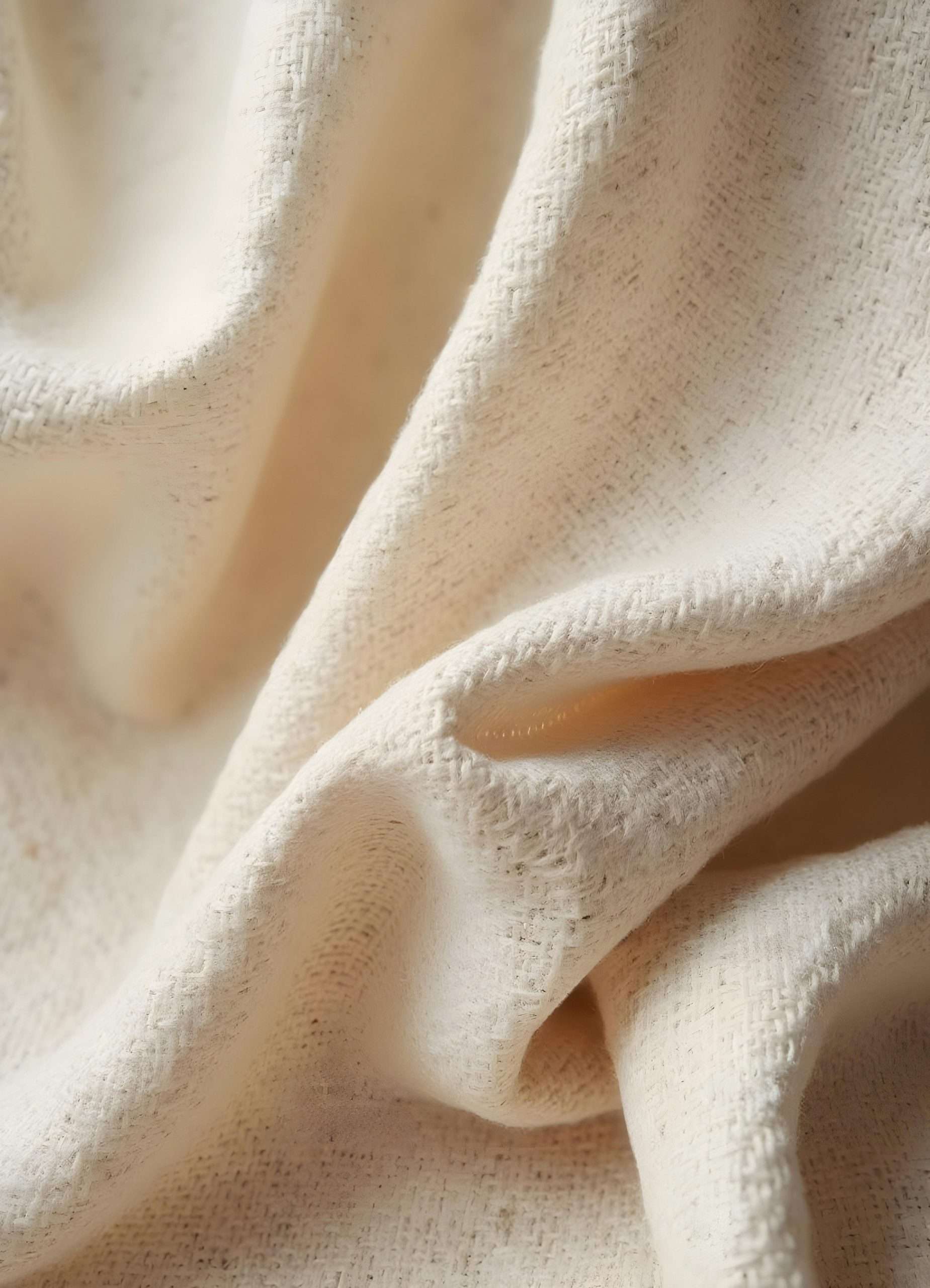
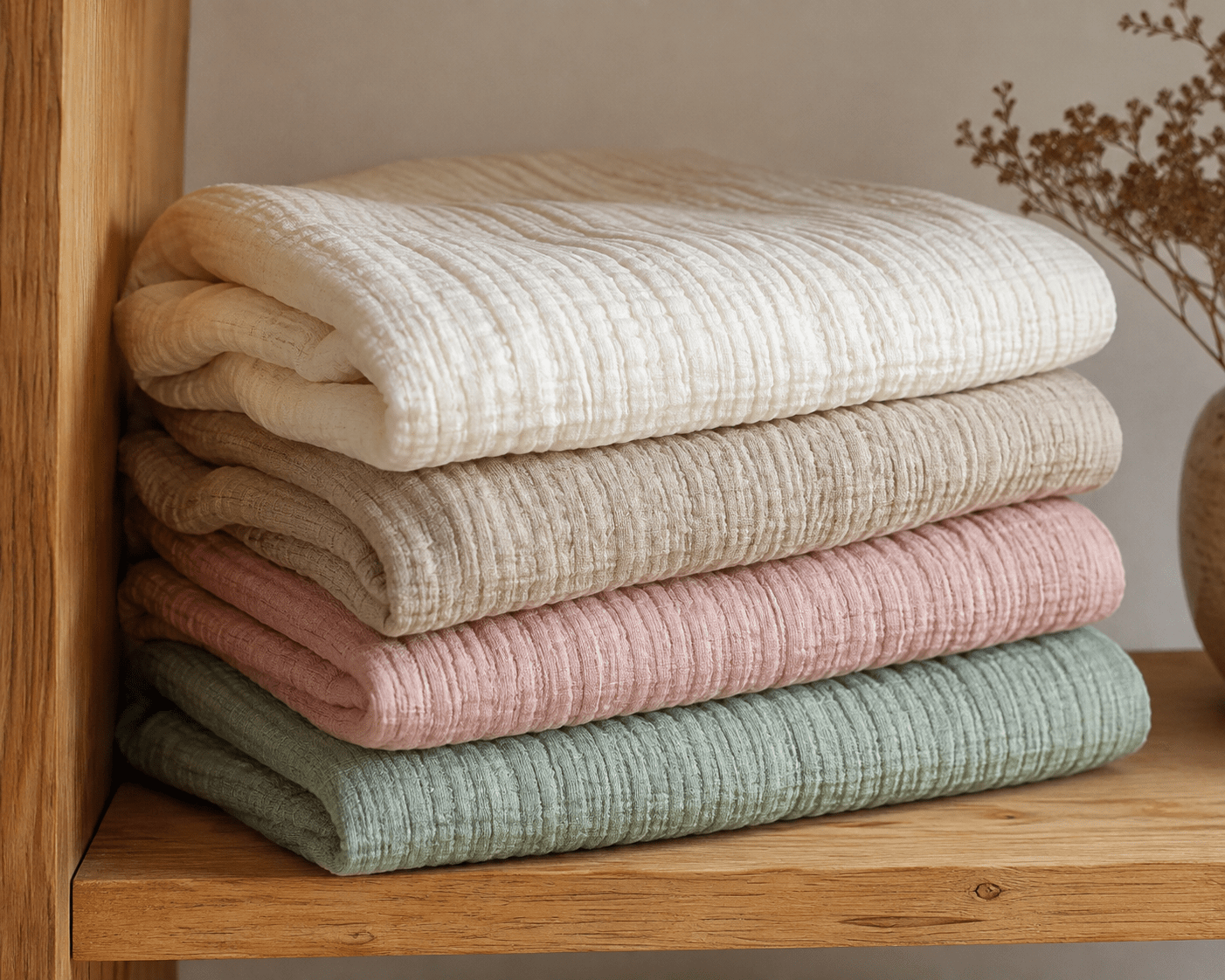
A double-layer muslin fabric is made of two loosely woven layers tacked together, not a single dense weave. That structure is exactly what gives it breathability and a soft hand feel, but it also means the yarns have more room to shift, snag, or stretch under rough handling.
Treating it like a regular bedsheet or T-shirt fabric in the wash is one of the fastest ways to shorten its life. Gentle washing and careful drying help maintain the fabric’s original texture, softness, and shape.
Washing Cotton Double Cloth Muslin Gauze Fabric the Right Way
Water Temperature and Detergent Choices That Actually Work
Stick to cold or lukewarm water, never hot. Heat is what causes most of the shrinkage complaints we hear about, since cotton muslin gauze material has almost no synthetic fibre to resist it.
Use a mild, fragrance-free detergent and skip fabric softener entirely; it coats the fibres and reduces the breathability that makes this fabric worth choosing in the first place. Wash on a gentle or delicate cycle.
If you are washing a finished product like a swaddle or wrap, place it inside a mesh laundry bag to prevent snagging against zips or buttons from other items.
Drying Without Damaging the Double Layer Weave
Skip the tumble dryer on high heat. Either air-dry the fabric flat on a clean towel, or use a low-heat setting if a dryer is necessary.
Hanging heavy, wet double cloth muslin gauze fabric can pull the loose weave out of shape, so laying it flat is the safer option whenever you have the space.
If the fabric has a naturally crinkled or textured finish, resist the urge to iron it flat. Ironing removes the texture that buyers are usually paying for in the first place.
Muslin Fabric Storage Tips That Prevent Yellowing and Mildew
Cotton needs to breathe even when it is sitting in storage. Avoid sealing it in plastic for long periods, since trapped moisture is what leads to musty smells and yellowing over time.
Instead, store folded fabric in a breathable cotton bag or wrap it in acid-free tissue if you are keeping it long term. Keep it away from direct sunlight, which fades and weakens the fibres It should also be kept away from damp areas like basements or unventilated storage rooms.
Common Cotton Gauze Fabric Maintenance Mistakes to Avoid
- Washing with hot water, thinking it will clean the fabric better than cold water.
- Using bleach or strong stain removers directly on the weave without testing on a small area first.
- Overloading the washing machine, which causes the loose weave to twist and tangle.
- Storing damp or slightly wet fabric, which invites mildew within days.
- Ironing on high heat, which can scorch the delicate open weave.
Most damage to double cloth muslin gauze fabric happens not from wear, but from one bad wash cycle. A little patience at the laundry stage protects months of use afterward.
How Casa Fashions Builds Fabric That Is Easier to Care For
Good care starts with good sourcing. Our Muslin Gauze and Crinkle Fabric range is woven from 100% cotton with consistent yarn tension, which reduces uneven shrinkage during the first few washes.
We also manufacture Muslin Double Cloth Check Fabric and Cotton Bamboo Muslin Printed Gauze Fabric for buyers who want a softer, more washable finish straight out of the box.
You can browse our full muslin fabric collection to compare weights and finishes before placing an order.
Frequently Asked Questions
Can cotton double cloth muslin gauze fabric be machine washed?
Does muslin gauze fabric shrink after the first wash?
Is it safe to iron cotton double cloth muslin gauze fabric?
How should I store muslin fabric long term without it turning yellow?
Final Thought
Caring for cotton double cloth muslin gauze fabric is not complicated; it just asks for a little more attention than a regular cotton weave.
Cold washes, gentle drying, and breathable storage will keep the fabric soft and functional for years rather than months. If you are sourcing this fabric for baby products, home textiles, or apparel, Casa Fashions builds every batch with consistent quality that holds up to repeated washing.
Top Questions to Ask a Mesh Tote Bag Manufacturer in India Before Ordering
Top Questions to Ask a Mesh Tote Bag Manufacturer in India Before Ordering
Placing a bulk order with the wrong mesh tote bag manufacturer in India can cost you more than money. Wrong specifications, late shipments, or fabric that falls apart after a few washes can damage a launch, a retail order, or a brand’s reputation. At Casa Fashions, we speak with dozens of buyers every month, and the ones who source smoothly are almost always the ones who ask sharp questions before signing anything. This guide walks you through exactly what to ask, why it matters, and what a good answer actually sounds like.
Why the Right Questions Save You From a Bad Bulk Order
Most sourcing mistakes happen not because a factory lied, but because a buyer never asked. A reliable mesh bags supplier in India will answer specific questions clearly and quickly, without vague reassurances. If a supplier hesitates on basics like fabric composition or production timelines, treat that as a warning sign rather than a formality to skip past.
Start With the Raw Material
Is It 100 Percent Cotton Mesh or a Synthetic Blend?
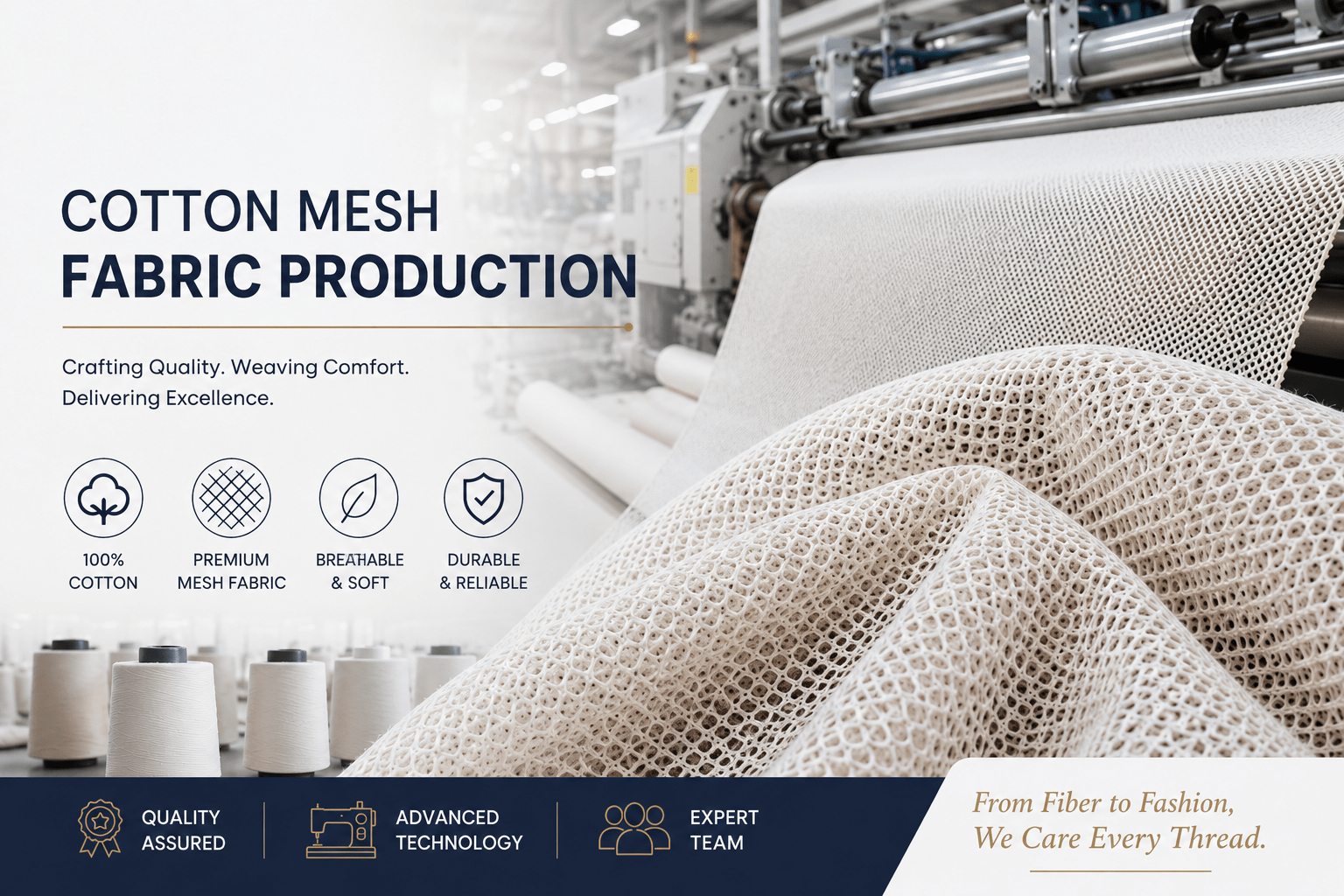
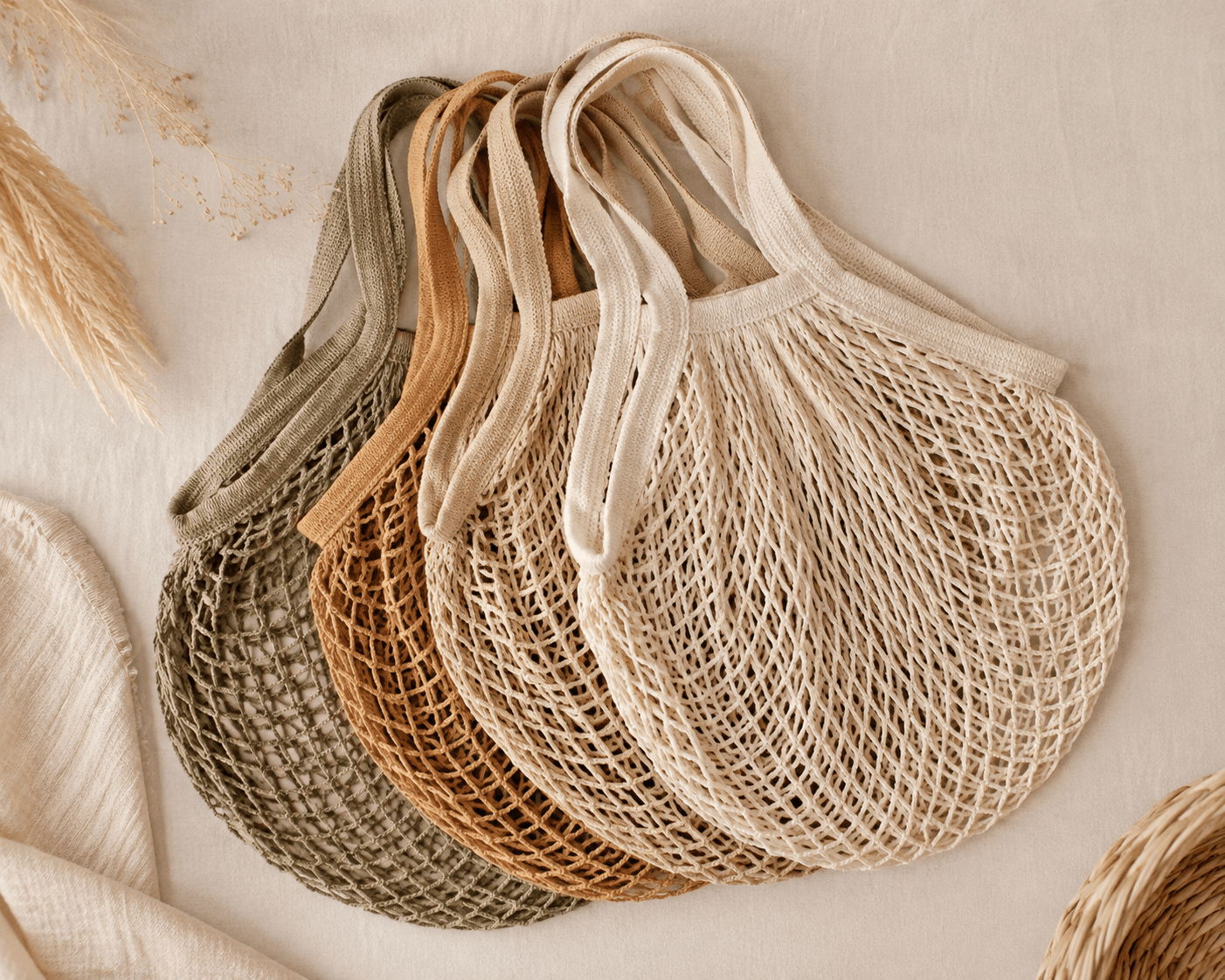
Ask for the exact fibre composition in writing. A genuine cotton mesh tote bag manufacturer should be able to tell you the yarn source, whether it is dyed or natural, and whether it meets organic standards. Many buyers assume “mesh bag” automatically means cotton, but polyester and nylon blends are common in the market and behave very differently in terms of breathability, biodegradability, and feel. Our own cotton mesh fabric buying guide breaks down how to check this before you commit to an order.
Production Capacity and Bulk Mesh Bag Supplier Standards
Before locking in quantities, ask how many units the factory can produce per week, and whether that number changes during peak seasons. Bulk mesh bag suppliers that give you a vague range instead of a firm figure are usually stretched thin across too many clients. Ask to see the actual weaving and stitching floor, even through a video call, so you know your order is not being Subcontracted without your knowledge.
Custom Mesh Tote Bags India: Printing, Branding, and Turnaround
If you need logos, drawstrings, or specific handle lengths, ask early rather than after sampling begins. For custom mesh tote bags India orders, confirm the printing method, whether screen printing or block printing, since this affects both cost and how long the design lasts through repeated washes.
Also confirm sample lead time in writing. A manufacturer who cannot commit to a sample date usually cannot commit to a delivery date either.
Sustainability and Certification Questions You Should Not Skip
If your brand markets itself as eco-conscious, your fabric sourcing has to back that up. Ask which certifications the factory holds, such as GOTS for organic cotton, and request copies rather than accepting a verbal claim.Genuine eco-friendly mesh bags India production also means checking dye processes and water usage, not just the finished fabric.According to a recent market report, demand for reusable mesh bags is expected to grow steadily worldwide through 2036, with India identified as one of the fastest-growing markets for this category, which makes supplier transparency more important than ever.
What Buyers Should Prioritise When Vetting a Manufacturer
If you only have time for a short call, spend it on these four areas in order of importance: material and certification checks, production capacity and timelines, customisation and printing options, and finally pricing and MOQ terms. Covering these four in sequence catches most of the problems buyers run into after an order is already placed.
Pricing, MOQ, and Lead Time: Getting a Straight Answer
Ask for a full cost breakdown rather than a single flat number. Fabric, stitching, printing, and packaging should each be itemised, so you can see exactly where your money goes. Confirm the minimum order quantity upfront, and ask what happens if you need a smaller trial run first. A manufacturer confident in their own quality will usually offer a reasonable sample or trial batch before asking you to commit to thousands of units.
How Casa Fashions Answers These Questions
As a working mesh tote bag manufacturer in India , we build every quote around transparency. Our team shares fabric composition sheets, GOTS-aligned certification copies, and realistic production timelines before a single sample is stitched. We also manufacture veg mesh string bags and other reusable mesh formats using the same sustainable tote bag manufacturer practices, backed by our wider organic fabric production line.
Frequently Asked Questions
What questions should I ask a mesh tote bag manufacturer before placing a bulk order?
Are reusable mesh shopping bags more expensive than plastic alternatives?
How do I know if a mesh bag supplier is genuinely sustainable?
What is a reasonable minimum order quantity for custom mesh tote bags?
Final Thought
The right questions do more than protect your order; they reveal how a factory actually operates. A transparent mesh tote bag manufacturer in India will welcome scrutiny rather than avoid it.
Casa Fashions works with brands across the world on organic cotton mesh tote bags and custom reusable bag programs, built on fabric transparency and realistic timelines from the first conversation. Get in touch with our team to request samples and a full cost breakdown for your next order.