
Cotton Mesh for Produce Packaging: A Sustainable Alternative to Plastic Netting
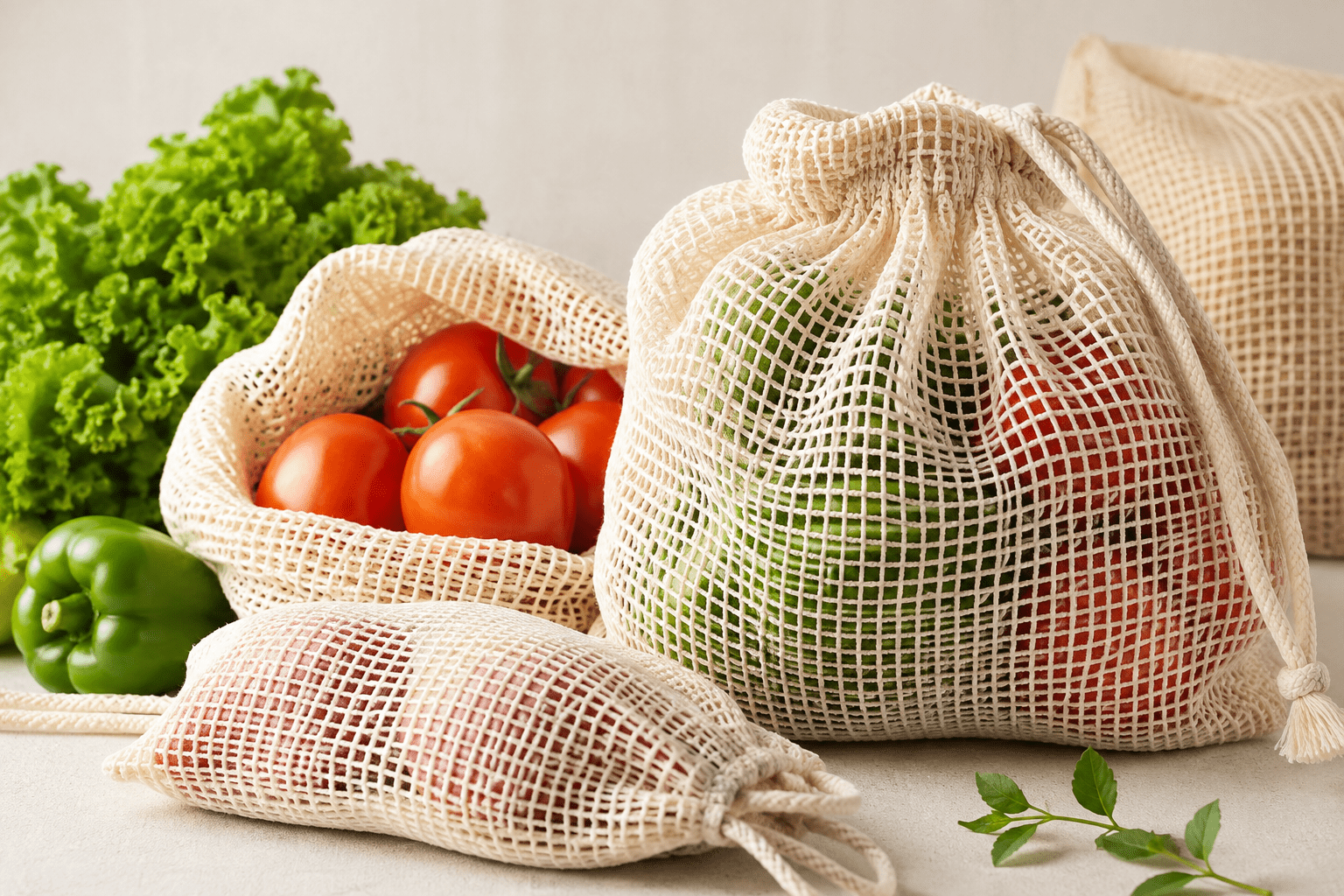
Cotton Mesh for Produce Packaging: A Sustainable Alternative to Plastic Netting
Plastic netting has packed fruits and vegetables for decades, but it is failing the sustainability test that grocery buyers and agri-exporters now run against every material on a packing list. Cotton mesh for produce packaging is stepping into that gap, and Casa Fashions has been fielding more requests for it every quarter from packers who need an alternative that actually performs. Unlike plastic netting, cotton mesh lets produce breath, biodegrades instead of piling up in landfill, and still holds up to the weight of a fully loaded bag of oranges or onions on a loading dock.
What Is Cotton Mesh Packaging, Exactly?
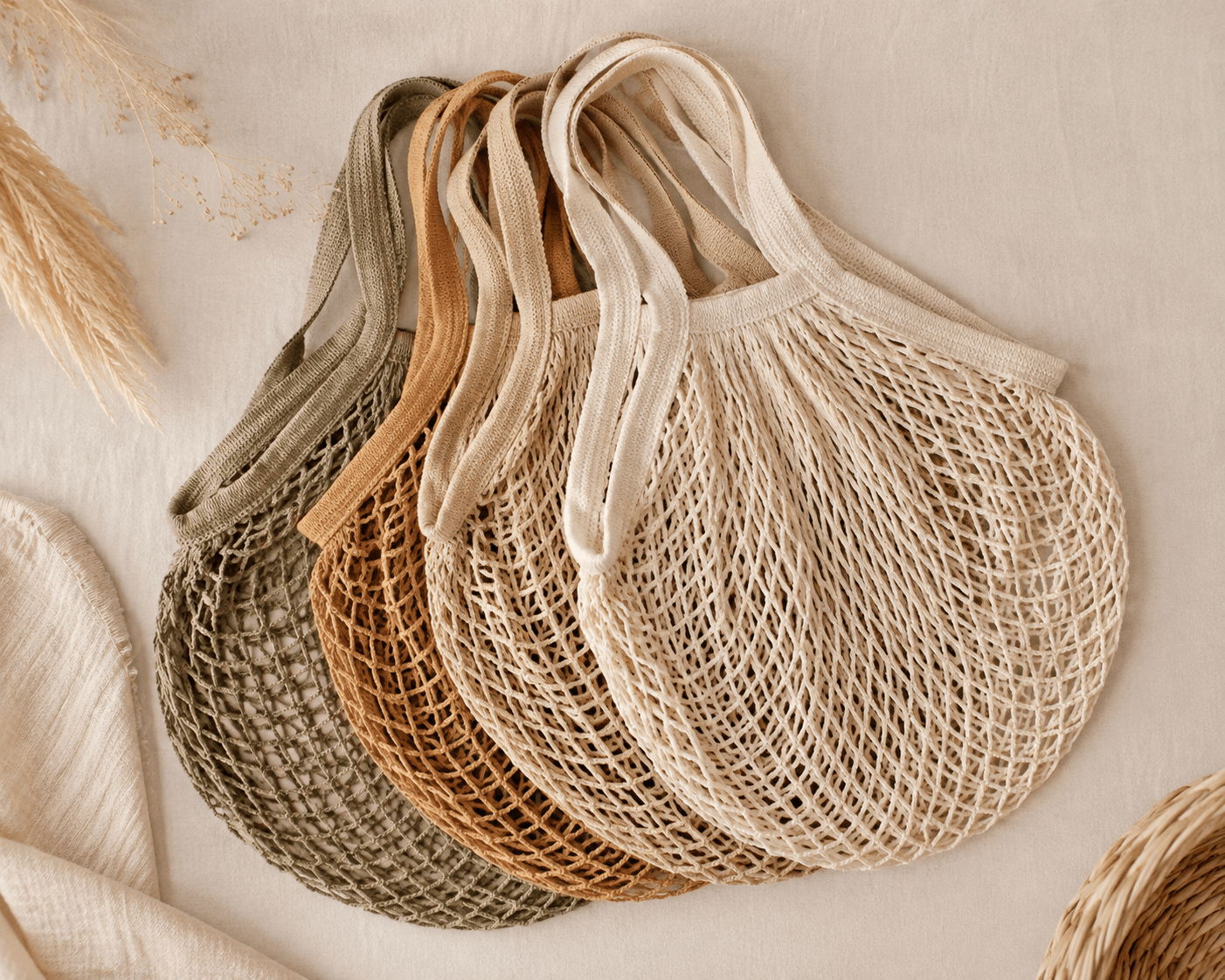
Cotton mesh is a loosely woven, open-structure cotton fabric built specifically to let air move through a packed bag while still holding produce securely during handling, stacking, and transport.
It gets cut and stitched into produce bags, pouches, and export-grade mesh sacks, doing the same holding job as plastic netting without a single synthetic fibre anywhere in the construction.
Because it is woven rather than extruded like plastic mesh, it can be produced in food-contact-safe cotton with no coating or chemical treatment needed to make it packaging-ready, which simplifies compliance checks considerably for teams shipping across borders.
It also takes dye and stamped branding without needing a plastic laminate layer, something plastic mesh cannot offer.
Cotton Mesh vs Plastic Netting: The Quick Comparison
| Factor | Cotton Mesh | Plastic Netting |
|---|---|---|
| End of life | Biodegrades in months | Persists for decades |
| Breathability | High, reduces trapped moisture | Moderate, can trap condensation |
| Food contact | Naturally food-safe fibre | Often needs added certification checks |
| Reusability | Washable and reusable | Usually single-use |
| Microplastic risk | None | Sheds fragments over time |
Why Produce Actually Stays Fresher in Cotton Mesh
Trapped moisture is one of the fastest ways to spoil fruit and vegetables in transit, and it is exactly where plastic netting quietly underperforms compared to its cotton counterpart.
Plastic holds its shape well but does not breathe evenly across the whole surface, so condensation can build up against whatever produce happens to be sitting closest to the bag wall during a long haul.
Cotton mesh, being an open weave from edge to edge, keeps air circulating whatever it holds, whether that is citrus at a packing house or root vegetables headed to a grocery distribution centre.
This airflow can help slow the onset of mold, softening, and early spoilage during longer transit windows and warehouse storage.
Where Exporters and Grocers Are Already Switching
- Agri-export packers moving citrus, onions, and garlic through cold chains where breathability directly affects shelf life.
- Grocery chains replacing plastic net bags at the produce counter with reusable cotton mesh bags for shoppers.
- Farmers market vendors and CSA box programs that want packaging their customers can compost at home.
- Gift hamper and specialty food brands using cotton mesh for a premium, sustainable unboxing experience.
What to Check Before Switching Your Packaging Line
Not every cotton mesh on the market is built for food contact at export volume, so a packaging changeover deserves the same diligence as any supplier switch.
Buyers should confirm the weave GSM suits the product weight it will actually carry, ask for certification such as GOTS, and test the mesh under real loading conditions on a loading dock rather than relying on a single display sample.
Casa Fashions manufactures its cotton mesh fabric range to these same specifications for both retail-facing and export packaging orders, so the sample you test is the same weave you scale.
Why Packaging Buyers Work With Casa Fashions
Casa Fashions is a GOTS-certified manufacturer based in Karur, India, producing cotton mesh alongside our wider fabric and bag range.
This includes cotton mesh produce bags built specifically for holding fruits and vegetables from farm to shelf.
Every batch is tested for weave strength before it ships, so exporters are not left guessing whether a bag will hold up under real cargo weight.
Frequently Asked Questions
Is cotton mesh strong enough for heavy produce like potatoes or onions?
Does cotton mesh packaging cost more than plastic netting?
Can cotton mesh be printed with a brand logo for retail packaging?
The Packaging Shift Buyers Can No Longer Postpone
Plastic netting was never designed with a producer’s sustainability targets in mind; it was designed to be cheap and disposable at a time when nobody was counting the cost of either.
Cotton mesh for produce packaging gives agri-exporters and grocery buyers a material that does the same holding job while actually standing up to scrutiny on shelf life, food safety, and end of life.
Ready to Make the Switch to Cotton Mesh Packaging?
If your packaging line is due for a review, request a sample of Casa Fashions’ cotton mesh packaging and test it against your current netting before your next production cycle.