

Which Natural Fabric Construction Fits Your Next Textile Product?
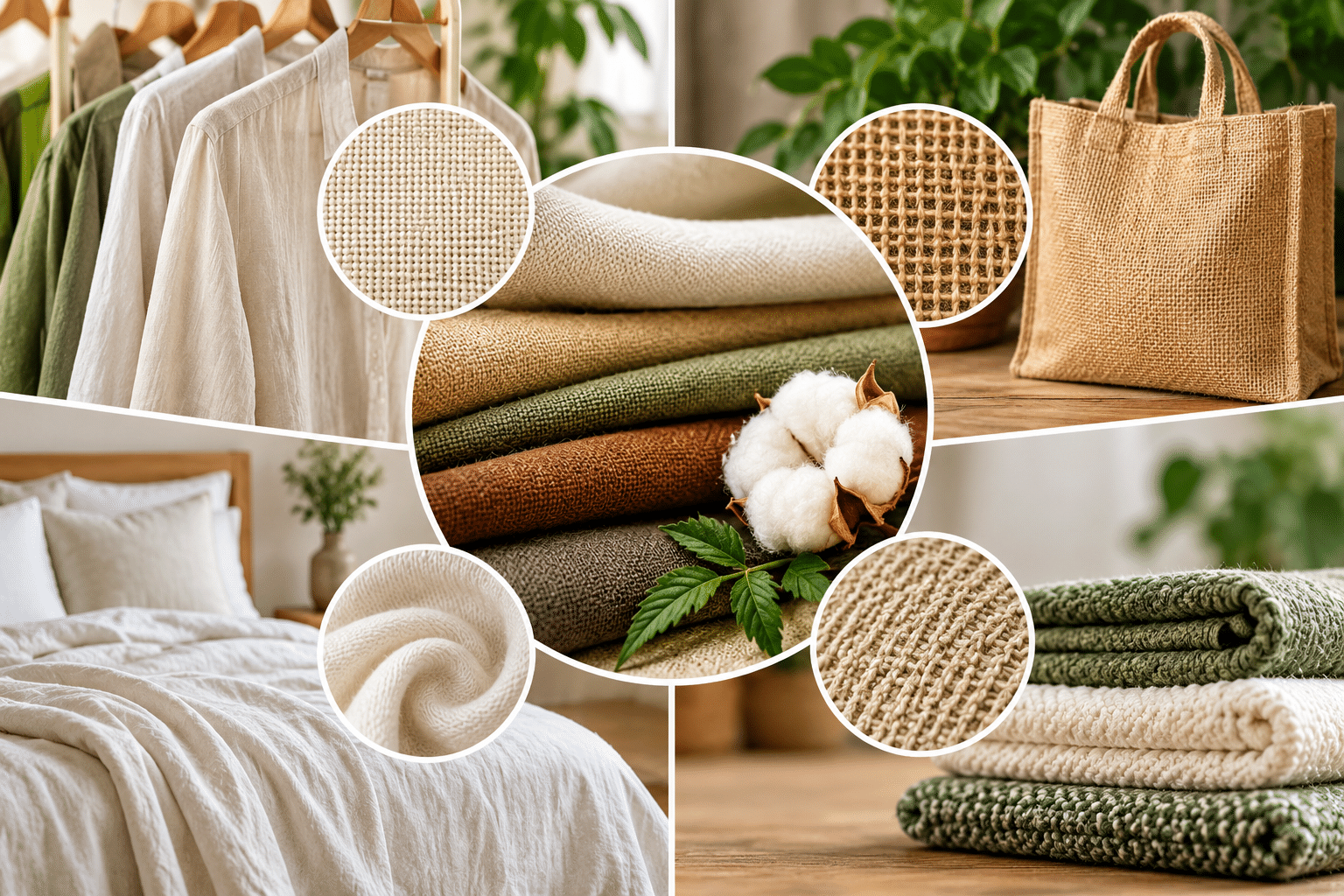
Introduction: Choosing the Right Natural Fabric
Choosing the right fabric is an important step in developing a successful textile product. Whether you are creating home textiles, baby products, reusable bags or a new private-label collection, the material and fabric construction influence the product’s appearance, texture and intended use.
Natural fibres such as cotton, bamboo, hemp and linen offer different options for textile development. However, selecting a fabric involves more than identifying its fibre composition. The construction, yarn characteristics, finishing and intended application also need consideration.
Businesses should define their product requirements clearly and evaluate suitable fabric samples before confirming production specifications.
1. Explore Natural Fabric Options for Textile Products
Cotton Fabric
Cotton is widely used across home textiles, kitchen linen, bed linen and other textile products. Its suitability depends on the fabric construction, yarn characteristics, finishing and intended application.
When selecting cotton fabric, consider:
- The desired surface texture and appearance.
- The fabric construction required for the product.
- The dimensions and weight specifications.
- The finishing and colour requirements.
- The intended care and maintenance of the finished product.
Bamboo and Bamboo-Cotton Fabrics
Bamboo-based fabrics and bamboo-cotton blends are options to explore when developing particular textile products. The composition and construction should be confirmed before making assumptions about the finished fabric’s performance.
Product developers should review the blend composition, surface texture, intended application and sample suitability. For products designed for direct skin contact, consider the relevant requirements for the finished product.
Hemp Fabric
Hemp is another natural fibre used in textile development. Its suitability depends on the specific fabric construction and the characteristics required for the finished product.
Before selecting hemp fabric, clarify the intended application, required appearance, material composition and finishing preferences.
Linen Fabric
Linen is a natural-fibre option for home-textile collections and other suitable applications. Its appearance and handling depend on the fabric construction and finishing.
Review the desired texture, product dimensions, colour requirements and intended use when evaluating linen for a new collection.
Explore the Casa Fashion fabric range to review relevant textile categories.
2. Why Fabric Construction Matters
Fibre composition describes the material used to make a fabric, while construction describes how that material is formed into the textile. Two fabrics made from similar fibres can have different appearances and characteristics because their constructions and finishing differ.
Muslin Fabric
Muslin is a fabric category used in different textile applications. Its characteristics depend on the yarn, construction and finishing. Buyers should identify the specific muslin type required rather than treating every muslin fabric as identical.
Gauze-Style Fabric
Gauze-style fabrics have a distinct construction that should be evaluated against the product’s intended requirements. Review the available sample and confirm the fabric specifications before approving it for production.
Crinkled Fabric
Crinkled fabric has a textured appearance. Communicate the desired texture and appearance clearly so the manufacturer understands the intended result.
Double-Cloth Fabric
Double-cloth construction is another option for product developers to investigate. The appropriate choice depends on the design, construction requirements and intended application.
Explore the muslin fabric collection to learn more about the available fabric category.
3. Comparing Fabric Options for Product Development
The following table provides a starting point for evaluating material categories. Final suitability should be confirmed against the actual fabric specifications and product requirements.
| Fabric or Construction | What to Evaluate | Important Considerations |
|---|---|---|
| Cotton fabric | Composition, weave and finishing | Product dimensions, texture and intended use |
| Bamboo-cotton fabric | Fibre blend and construction | Product application and sample suitability |
| Hemp fabric | Material composition and texture | Required appearance and finishing |
| Linen fabric | Construction and surface appearance | Design, dimensions and care requirements |
| Muslin fabric | Specific muslin construction | Intended use and fabric characteristics |
| Crinkled fabric | Texture and finish | Desired appearance and product design |
| Double-cloth fabric | Construction and structure | Finished-product requirements |
This comparison should be treated as an initial evaluation framework. It does not replace product-specific testing or confirmation from the manufacturer.
4. Evaluate Fabric Samples Before Production
Fabric samples allow product developers to assess whether a material matches the intended design. A sample review also provides an opportunity to clarify specifications before moving forward with a manufacturing enquiry.
During sample evaluation, consider the following:
- Appearance: Does the fabric match the required colour, pattern and surface texture?
- Construction: Does the fabric match the intended weave or construction?
- Dimensions: Are the width and other required measurements suitable?
- Handling: Does the material feel appropriate for the intended product?
- Finishing: Does the finish align with the product specification?
- Consistency: Are the approved sample and documented requirements clear enough for future production?
For products with specific performance or safety requirements, appropriate testing may be necessary. Do not assume that fibre composition alone establishes the performance of the finished product.
5. Prepare a Clear Fabric Specification for Your Manufacturer
Once you identify a suitable material category, prepare a product specification that communicates the requirements clearly.
Include these details in your specification:
- Product name and intended application.
- Preferred fibre composition.
- Fabric construction or reference sample.
- Required dimensions and weight, where applicable.
- Colour, pattern and finishing details.
- Expected order quantity.
- Packaging and branding requirements.
- Relevant product standards or documentation requirements.
For private-label collections, include available artwork, design references and packaging information. These details help the manufacturer understand the scope of the enquiry and identify points requiring clarification.
Casa Fashion works across home textiles, muslin fabrics, organic fabrics, baby products and eco-friendly bags. Buyers can discuss their product concepts and requirements to determine which available category is relevant to their needs.
6. Selecting a Fabric for Your Next Collection
Selecting the right fabric requires a balance between the intended application, material composition, construction and finished-product requirements. Cotton, bamboo, hemp, linen and different muslin constructions each need to be assessed according to the specific product being developed.
Rather than choosing a fabric based only on its name, begin with the product brief, compare available material options and review samples against the required specifications. Clear communication with the manufacturer helps establish a shared understanding of the product before production discussions progress.
Frequently Asked Questions
How do I select the right fabric for a textile product?
What is the difference between fibre composition and fabric construction?
What should I check when selecting muslin fabric?
Why should I evaluate fabric samples before bulk production?
Can I discuss custom textile product requirements with Casa Fashion?
Develop Your Next Textile Product with Casa Fashion
Looking for suitable fabric options for your next home-textile collection, baby-product range or private-label project?
Contact Casa Fashion to discuss your product requirements and explore the available textile categories.
Discuss Your Natural Fabric Requirements
Explore the
Casa Fashion Fabric Range
or
Contact Casa Fashion
to discuss your next textile product.
Phone: +91 94897 93788
Email:
mail@casafashions.com
Website:
casafashions.com