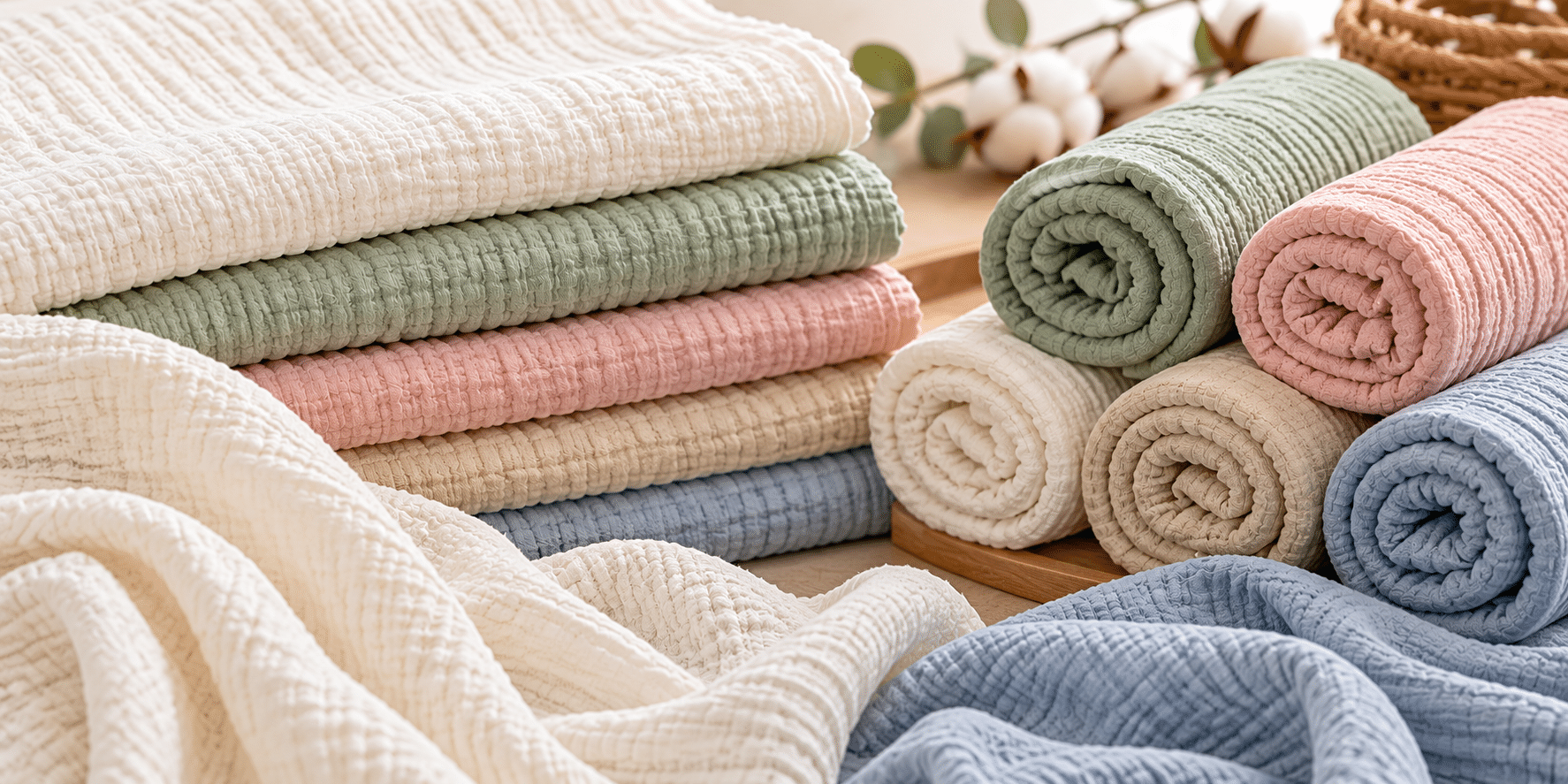

Which Natural Fabric Construction Fits Your Next Textile Product?
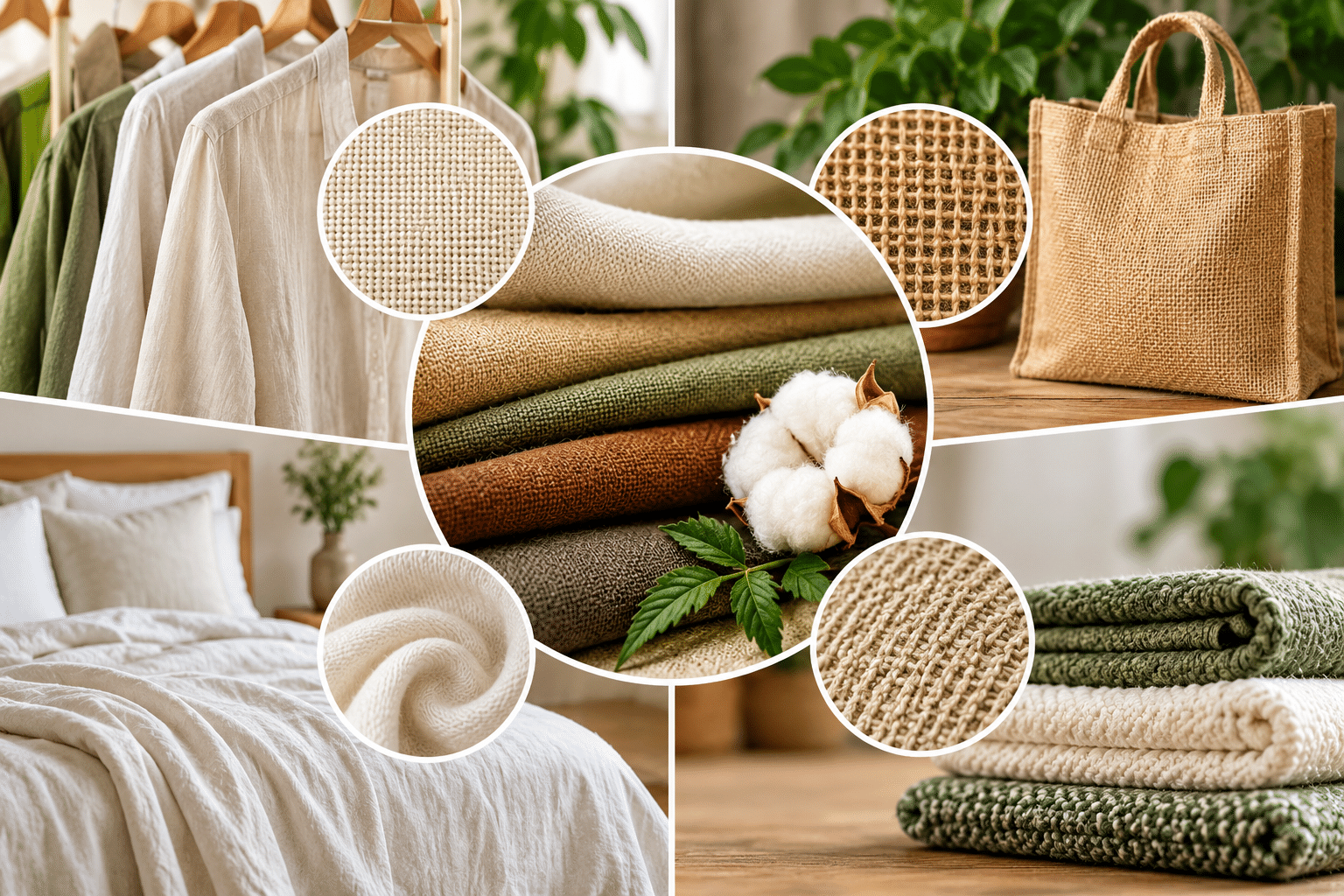
Natural fabric options and cotton muslin textiles
Fabric Options Natural Fibres
Materials Cotton & Linen
Applications Home & Baby Textiles
Manufacturing Custom Products

Introduction: Choosing the Right Natural Fabric

Choosing the right fabric is an important step in developing a successful textile product. Whether you are creating home textiles, baby products, reusable bags or a new private-label collection, the material and fabric construction influence the product’s appearance, texture and intended use.

Natural fibres such as cotton, bamboo, hemp and linen offer different options for textile development. However, selecting a fabric involves more than identifying its fibre composition. The construction, yarn characteristics, finishing and intended application also need consideration.

Businesses should define their product requirements clearly and evaluate suitable fabric samples before confirming production specifications.

1. Explore Natural Fabric Options for Textile Products

Cotton Fabric

Cotton is widely used across home textiles, kitchen linen, bed linen and other textile products. Its suitability depends on the fabric construction, yarn characteristics, finishing and intended application.

When selecting cotton fabric, consider:

  • The desired surface texture and appearance.
  • The fabric construction required for the product.
  • The dimensions and weight specifications.
  • The finishing and colour requirements.
  • The intended care and maintenance of the finished product.

Bamboo and Bamboo-Cotton Fabrics

Bamboo-based fabrics and bamboo-cotton blends are options to explore when developing particular textile products. The composition and construction should be confirmed before making assumptions about the finished fabric’s performance.

Product developers should review the blend composition, surface texture, intended application and sample suitability. For products designed for direct skin contact, consider the relevant requirements for the finished product.

Hemp Fabric

Hemp is another natural fibre used in textile development. Its suitability depends on the specific fabric construction and the characteristics required for the finished product.

Before selecting hemp fabric, clarify the intended application, required appearance, material composition and finishing preferences.

Linen Fabric

Linen is a natural-fibre option for home-textile collections and other suitable applications. Its appearance and handling depend on the fabric construction and finishing.

Review the desired texture, product dimensions, colour requirements and intended use when evaluating linen for a new collection.

Explore the Casa Fashion fabric range to review relevant textile categories.

2. Why Fabric Construction Matters

Fibre composition describes the material used to make a fabric, while construction describes how that material is formed into the textile. Two fabrics made from similar fibres can have different appearances and characteristics because their constructions and finishing differ.

Muslin Fabric

Muslin is a fabric category used in different textile applications. Its characteristics depend on the yarn, construction and finishing. Buyers should identify the specific muslin type required rather than treating every muslin fabric as identical.

Gauze-Style Fabric

Gauze-style fabrics have a distinct construction that should be evaluated against the product’s intended requirements. Review the available sample and confirm the fabric specifications before approving it for production.

Crinkled Fabric

Crinkled fabric has a textured appearance. Communicate the desired texture and appearance clearly so the manufacturer understands the intended result.

Double-Cloth Fabric

Double-cloth construction is another option for product developers to investigate. The appropriate choice depends on the design, construction requirements and intended application.

Explore the muslin fabric collection to learn more about the available fabric category.

3. Comparing Fabric Options for Product Development

The following table provides a starting point for evaluating material categories. Final suitability should be confirmed against the actual fabric specifications and product requirements.

Fabric or Construction What to Evaluate Important Considerations
Cotton fabric Composition, weave and finishing Product dimensions, texture and intended use
Bamboo-cotton fabric Fibre blend and construction Product application and sample suitability
Hemp fabric Material composition and texture Required appearance and finishing
Linen fabric Construction and surface appearance Design, dimensions and care requirements
Muslin fabric Specific muslin construction Intended use and fabric characteristics
Crinkled fabric Texture and finish Desired appearance and product design
Double-cloth fabric Construction and structure Finished-product requirements

This comparison should be treated as an initial evaluation framework. It does not replace product-specific testing or confirmation from the manufacturer.

4. Evaluate Fabric Samples Before Production

Fabric samples allow product developers to assess whether a material matches the intended design. A sample review also provides an opportunity to clarify specifications before moving forward with a manufacturing enquiry.

During sample evaluation, consider the following:

  • Appearance: Does the fabric match the required colour, pattern and surface texture?
  • Construction: Does the fabric match the intended weave or construction?
  • Dimensions: Are the width and other required measurements suitable?
  • Handling: Does the material feel appropriate for the intended product?
  • Finishing: Does the finish align with the product specification?
  • Consistency: Are the approved sample and documented requirements clear enough for future production?

For products with specific performance or safety requirements, appropriate testing may be necessary. Do not assume that fibre composition alone establishes the performance of the finished product.

5. Prepare a Clear Fabric Specification for Your Manufacturer

Once you identify a suitable material category, prepare a product specification that communicates the requirements clearly.

Include these details in your specification:

  • Product name and intended application.
  • Preferred fibre composition.
  • Fabric construction or reference sample.
  • Required dimensions and weight, where applicable.
  • Colour, pattern and finishing details.
  • Expected order quantity.
  • Packaging and branding requirements.
  • Relevant product standards or documentation requirements.

For private-label collections, include available artwork, design references and packaging information. These details help the manufacturer understand the scope of the enquiry and identify points requiring clarification.

Casa Fashion works across home textiles, muslin fabrics, organic fabrics, baby products and eco-friendly bags. Buyers can discuss their product concepts and requirements to determine which available category is relevant to their needs.

6. Selecting a Fabric for Your Next Collection

Selecting the right fabric requires a balance between the intended application, material composition, construction and finished-product requirements. Cotton, bamboo, hemp, linen and different muslin constructions each need to be assessed according to the specific product being developed.

Rather than choosing a fabric based only on its name, begin with the product brief, compare available material options and review samples against the required specifications. Clear communication with the manufacturer helps establish a shared understanding of the product before production discussions progress.

Frequently Asked Questions

How do I select the right fabric for a textile product?
Start by defining the product’s intended use, required appearance, fibre composition, construction, dimensions and finishing. Compare available materials and evaluate samples against the product specification.
What is the difference between fibre composition and fabric construction?
Fibre composition identifies the material used to make the fabric, such as cotton, bamboo or linen. Fabric construction describes how the material is formed into the textile, influencing its structure and appearance.
What should I check when selecting muslin fabric?
Identify the required muslin construction, intended application, fabric dimensions, texture, finishing and other relevant specifications. Review a sample before confirming its suitability for the finished product.
Why should I evaluate fabric samples before bulk production?
Samples allow buyers to assess appearance, texture, construction and suitability against the product brief. They also help clarify specifications before manufacturing requirements are finalised.
Can I discuss custom textile product requirements with Casa Fashion?
Yes. Businesses can contact Casa Fashion to discuss their intended product, preferred materials, design references and manufacturing requirements.

Develop Your Next Textile Product with Casa Fashion

Looking for suitable fabric options for your next home-textile collection, baby-product range or private-label project?

Contact Casa Fashion to discuss your product requirements and explore the available textile categories.

Discuss Your Natural Fabric Requirements

Explore the Casa Fashion Fabric Range or Contact Casa Fashion to discuss your next textile product.

Phone: +91 94897 93788
Email: mail@casafashions.com
Website: casafashions.com
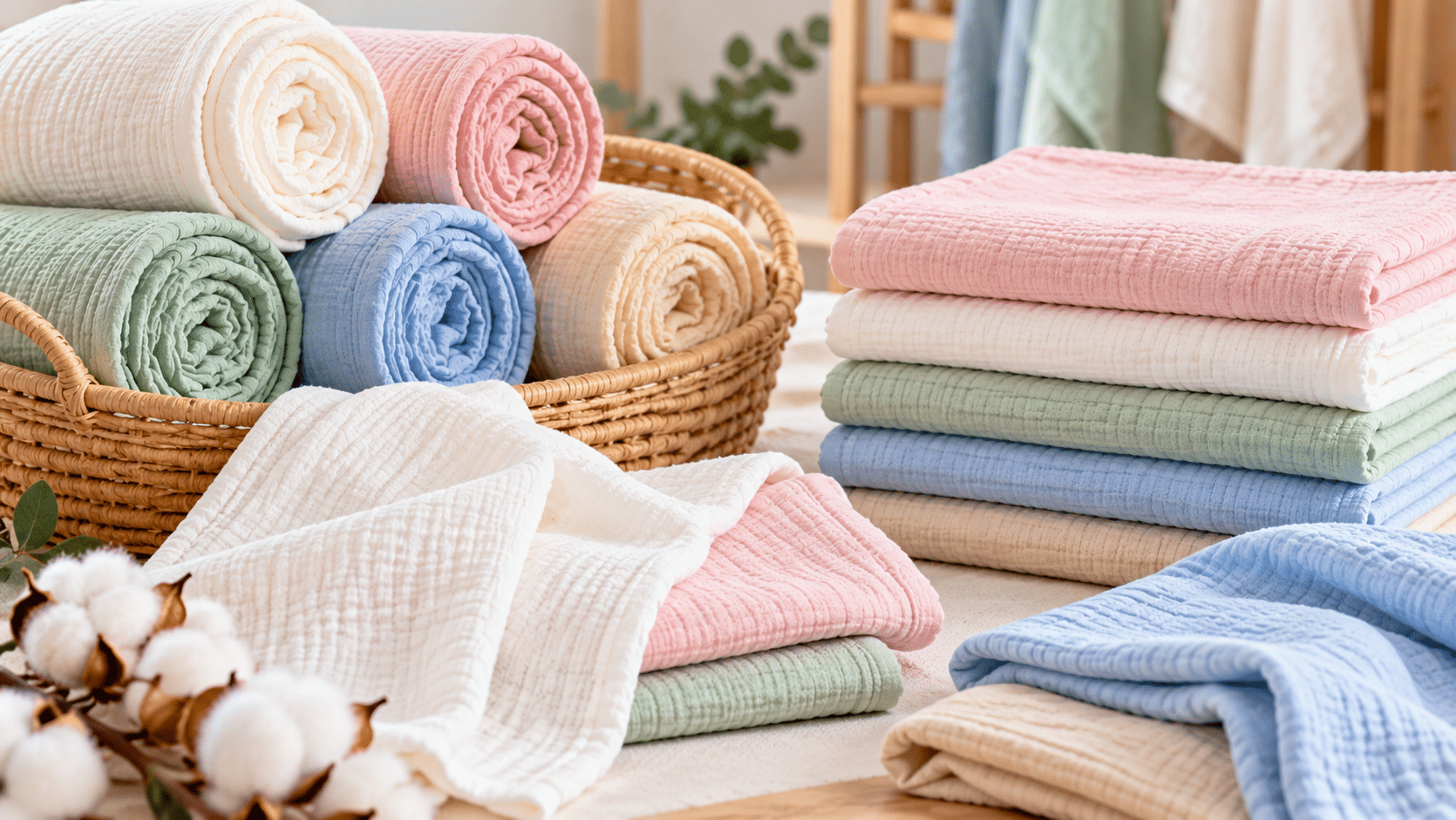
Where to Source Cotton Muslin Fabric for Baby Swaddle Manufacturing in India

Pastel cotton muslin fabric rolls and folded baby swaddle cloths in multiple colours
Fabric Cotton Muslin
Application Baby Swaddles
Location Karur, India
Manufacturing OEM & Customisation

Cotton Muslin Fabric Manufacturer in India for Baby Swaddles

Are you looking for a cotton muslin fabric manufacturer in India for your baby swaddle collection? Finding a suitable textile supplier is an important step for baby-product brands planning to develop swaddles for their customers.

The fabric you select must match your product requirements, including material composition, construction, dimensions, finish, and intended application. For businesses manufacturing baby swaddles in bulk, it is equally important to communicate these specifications clearly before moving forward with production.

Casa Fashion, based in Karur, Tamil Nadu, manufactures muslin fabrics and baby products for domestic and international markets. Its product range includes cotton muslin fabrics, swaddle cloths, and other baby essentials.

Why Is Cotton Muslin Used for Baby Swaddles?

Cotton muslin is a lightweight woven fabric made from cotton yarns. Its construction and texture make it suitable for various textile applications, including baby swaddles, blankets, and other baby essentials.

  • Material composition: Cotton muslin provides a cotton-based fabric option for baby textile products.
  • Fabric construction: The weave and construction influence the fabric’s appearance and handling characteristics.
  • Product versatility: Muslin can be used in swaddles, blankets, bibs, and other baby textile products.
  • Design flexibility: Fabric selection can be aligned with the product’s intended design, colour, and finish.
  • Manufacturing suitability: Buyers can define fabric requirements according to the specifications of their planned product.

The final fabric selection should depend on the actual fabric specification and the intended use of the swaddle.

What Should You Look for in a Cotton Muslin Fabric Manufacturer in India?

Selecting a supplier involves more than identifying a manufacturer that offers cotton fabric. Baby-product brands need to establish whether the manufacturer’s available materials and capabilities align with their requirements.

1. Confirm the Fabric Composition

Start by defining the required fibre composition. If your product specification calls for cotton muslin, confirm that the offered fabric matches that requirement. Casa Fashion lists cotton muslin and bamboo-cotton muslin within its fabric range.

2. Evaluate Fabric Construction and Finish

Buyers should identify whether their product development requires a particular weave, texture, or finish. Evaluate fabric appearance, layer structure, dimensions, weight, colour, print requirements, and overall suitability.

3. Check Customisation Requirements

Baby-product brands may develop collections with specific colours, prints, dimensions, and product designs. Prepare a clear product description and confirm which requirements the manufacturer can accommodate.

How Does Fabric Sourcing Connect With Baby Swaddle Manufacturing?

Fabric sourcing and finished-product manufacturing are related but distinct stages. A business may source fabric for its own production facility or work with a manufacturer that offers relevant finished baby products.

Buyer Requirement What to Establish
Fabric sourcing Fibre composition, construction, dimensions, and finish
Swaddle development Intended design, product dimensions, and material requirements
Sample evaluation Whether the sample matches the agreed specifications
Bulk production Confirmed product details and applicable production terms
Private label Branding, labelling, and other customisation needs

Explore the muslin fabric range or visit the baby products manufacturing page to understand the available categories.

Why Consider Casa Fashion for Cotton Muslin Sourcing?

Casa Fashion is a textile manufacturer based in Karur, Tamil Nadu, with fabric, home textile, and baby-product offerings. Its published muslin range includes cotton muslin and other muslin varieties for different textile applications.

Its baby-product category includes swaddle cloths, swaddle wrappers, bibs, burp pads, sleeping bags, and other products. Buyers should confirm the specifications, certification scope, and availability relevant to their requirements.

Explore the dedicated baby swaddle cloth manufacturing page for information about its swaddle product offering.

What Information Should You Share Before Placing a Bulk Order?

Before discussing a bulk requirement, prepare the information needed to communicate your product expectations.

  • Product type: Cotton muslin fabric, swaddle cloth, or another baby textile.
  • Material requirements: Required fibre composition and fabric construction.
  • Product specifications: Dimensions, weight, and finish, as applicable.
  • Design preferences: Colour, print, and requested customisations.
  • Order requirements: Intended quantity, delivery destination, and timeline.
  • Quality expectations: Applicable inspection requirements and documentation.

Confirm the specifications, availability, production terms, and delivery commitments directly with the manufacturer before proceeding.

Frequently Asked Questions

Where can I source cotton muslin fabric for baby swaddles in India?
You can approach textile manufacturers that offer cotton muslin fabric and can discuss your intended product specifications. Casa Fashion, based in Karur, Tamil Nadu, manufactures muslin fabrics and baby products.
Can I source both muslin fabric and baby products from Casa Fashion?
Casa Fashion lists muslin fabrics and baby products as separate product categories. Contact the company to confirm the sourcing or manufacturing options available for your project.
What should I confirm before selecting muslin fabric?
Confirm fibre composition, construction, fabric weight, dimensions, colour, and finish as applicable. Evaluate a sample against the agreed specifications before committing to bulk production.
Does Casa Fashion manufacture and export textile products?
Casa Fashion identifies itself as a manufacturer and exporter of organic yarns, fabrics, home textiles, baby products, and bags. Contact the company to confirm availability and terms for your requirement.

Source Cotton Muslin Fabric for Your Baby Swaddle Collection

Choosing a suitable fabric supplier is an important step in developing a baby swaddle collection. Clear specifications, sample evaluation, and direct communication help brands establish whether a fabric meets their product requirements.

If you are looking for a cotton muslin fabric manufacturer in India, Casa Fashion offers a muslin fabric range alongside its baby-product categories.

Discuss Your Cotton Muslin Fabric Requirements

Explore the Muslin Fabric Range or Contact Casa Fashion to enquire about your requirements.

Crinkled Cotton Muslin Fabric for Baby Swaddles: What Baby Brands Should Know About Breathable, GOTS-Certified Muslin

Crinkled cotton muslin fabric for baby swaddles
Fabric Cotton Muslin
Key Benefit Soft & Breathable
Certification GOTS Certified
Support OEM & Private Label

Crinkled Cotton Muslin Fabric for Baby Swaddles

Soft, breathable cotton muslin is well suited to baby swaddles. Casa Fashion, a GOTS-certified company, manufactures crinkled cotton muslin and swaddle wrappers in India, strictly avoiding materials containing sulfates, mineral oils, parabens, or dyes in its baby products, with OEM and private label support.

For a baby brand, fabric is the first decision, and it shapes everything after it: how the product feels, how it is certified, and how your customers judge it.

This guide explains where crinkled cotton muslin fits in swaddle products and what to look for in a manufacturer.

What Baby Brands Look for in a Swaddle Fabric

Sourcing teams usually weigh the same concerns before placing an order:

  • Softness and breathability for products used close to a newborn’s skin
  • Certified, sustainable materials instead of unverified claims
  • Consistent quality across bulk and export orders
  • Dependable bulk production with on-time delivery
  • Customisation and private label support so the product carries your brand

A manufacturer that meets all five saves a brand from managing several suppliers.

Why Crinkled Cotton Muslin Suits Swaddles

Casa Fashion’s muslin gauze and crinkle fabric is offered as organic cotton muslin double gauze crinkled fabric.

The product page also lists breathable cotton muslin, baby muslin fabric, baby wrap cotton, and muslin swaddle fabric, which shows the range is built with baby products in mind.

The company describes its muslin as soft and breathable, suitable for uses from baby swaddles to household essentials.

Key points for brands:

  • Organic options: organic cotton muslin in double gauze crinkled construction
  • Natural fibre focus: Casa Fashion specialises in cotton, hemp, flax, linen and bamboo
  • Export-ready supply: the company manufactures for global markets

Casa Fashion’s Muslin Range at a Glance

Casa Fashion manufactures several muslin and related fabric lines. This table shows how each is described on the website:

Fabric Line What the Website Lists Typical Fit
Muslin Gauze/Crinkle Organic cotton muslin double gauze crinkled fabric; breathable cotton muslin; muslin swaddle fabric Swaddles and baby wraps
Bamboo Cotton Muslin Part of the muslin range Confirm suitability with the team
Muslin Double Cloth Check Part of the muslin range Confirm suitability with the team
Seersucker Fabrics Soft cotton seersucker, including shirting Fashion and lifestyle brands

Exact weights, widths and finishing are not published, so confirm them with the team when you enquire.

GOTS Certification and What Baby Products Avoid

Casa Fashion is officially a GOTS (Global Organic Textile Standard) certified company, manufacturing organic yarns, fabrics, home textiles, baby products and bags.

Its website also lists ISO and other standards.

For baby products, the company states that it strictly avoids materials containing:

  • Sulfates
  • Mineral oils
  • Parabens
  • Dyes

Every baby product is also designed around factors including fabric, safety, size, style, functionality, and season.

For a brand, this gives you a clear standard to point to when your customers ask what goes into the product.

From Muslin Fabric to Finished Baby Products

Muslin is the starting point. Casa Fashion also manufactures the finished products:

  • Swaddles: swaddle cloth and swaddle wrappers, including newborn swaddle blankets and organic cotton muslin blankets
  • Sleep products: baby sleeping bags including newborn sleep sacks and breathable muslin sleeping bags
  • Feeding support: nursing pillows including U-shaped designs
  • The wider range: bibs, cloth diapers, burp pads, changing mats and play beds, all listed on the baby products page

Private Label, OEM and Export Support

Many baby brands do not want an off-the-shelf product. Casa Fashion provides custom manufacturing and OEM solutions, including private label, so your fabric, product and branding can be tailored to your range.

What brands can expect:

  • Customisation for fabrics and products
  • R&D and product innovation behind new designs
  • Export capability to global markets including Europe, the USA and the Middle East
  • Ethical sourcing and responsible manufacturing, with 70% of staff and 90% of the labour workforce being women as part of the company’s women-empowerment initiative (see the About Us page )

Why Source Fabric and Product from One Manufacturer

  • Consistent quality: fabric and finished product follow the same standards
  • One certification story: GOTS applies across yarns, fabrics, and baby products
  • End-to-end capability: manufacturing and export from a single partner in Karur, Tamil Nadu

Frequently Asked Questions

Does Casa Fashion manufacture swaddle wrappers?
Yes. Swaddle wrappers and swaddle cloth are part of its baby products range, alongside sleeping bags and nursing pillows.
What does Casa Fashion avoid in baby products?
As a GOTS-certified company, it strictly avoids materials containing sulfates, mineral oils, parabens, or dyes.
Can I order private label swaddles?
Yes. Casa Fashion offers custom manufacturing and OEM solutions, including private label.

Start Your Baby Product Enquiry

Developing a swaddle or baby range? Talk to our team about crinkled cotton muslin and private label manufacturing.

Ready to Develop Your Baby Product Range?

Discuss crinkled cotton muslin, swaddle wrappers, private label manufacturing and your baby product requirements at mail@casafashions.com , +91 94897 93788 , or +91 99436 70010 .