
Cotton Mesh Fabric : Everything a Buyer Needs to Know Before Sourcing
Every year, thousands of brands and product designers search for a fabric that is natural, breathable, durable, and certifiable. Cotton mesh fabric checks every one of those boxes. Whether you are developing eco bags, home textiles, baby products, or sustainable fashion accessories, understanding cotton mesh fabric before you place a sourcing order will save you time, money, and a lot of back-and-forth with suppliers. This blog walks you through every key detail so you can source with confidence and make the right fabric decision for your product.
What Exactly Is Cotton Mesh Fabric?
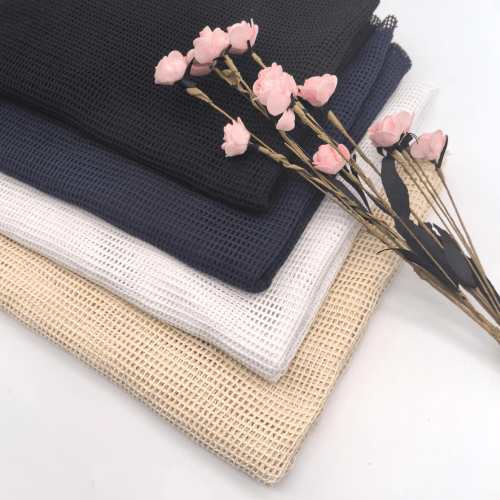
Cotton mesh fabric is a textile woven or knitted from 100% natural cotton fibers into an open, net-like structure. The evenly spaced holes across its surface are not a design detail. They are a functional feature that makes the fabric breathable, lightweight, and quick-drying.
What sets cotton mesh apart from other fabrics:
Made entirely from natural plant-based cotton fibers
Free from synthetic chemicals, plastic coatings, and artificial finishes
Allows consistent airflow through the fabric surface
Gentle and safe for direct skin contact including sensitive and baby skin
Fully biodegradable and environmentally responsible
Washable and durable enough for repeated everyday use
It is this rare balance of being both gentle and strong that makes cotton mesh a preferred material for so many different product categories.
The Main Types of Cotton Mesh Fabric
Buyers often make the mistake of treating all mesh fabrics as the same. They are not. The type of cotton mesh you choose will directly affect how your final product looks, feels, and performs. Here are the four main types:
Open Weave Mesh
Features large, clearly visible openings. Extremely lightweight and breathable. Best suited for vegetable storage bags, produce nets, laundry bags, and any product where ventilation is the main requirement.
Fine Mesh
Has tightly spaced, small holes. Softer and smoother than open weave. Ideal for baby bibs, face cloths, swaddle wraps, and delicate home textiles where skin contact is frequent.
Leno Weave Mesh
Built using a technique where warp threads are twisted in pairs around weft threads. This creates a firm, stable mesh that holds its shape under pressure. The right choice for structured bags, packaging liners, and home storage products.
Knitted Mesh
Constructed by looping yarn rather than weaving it. This gives the fabric a soft drape and slight elasticity. Works well for fashion accessories, reusable produce bags, and bath products.
Choosing the wrong type for your product is one of the most common sourcing mistakes. Always match the mesh type to the end use before ordering samples.
Understanding GSM and Why It Matters for Your Order
GSM means grams per square meter. It is the standard measurement for fabric weight and thickness. In cotton mesh, the GSM range determines how sturdy or delicate the fabric will be.
Low GSM (80 to 120)
Very light, thin, and airy. Best for produce bags, wrapping materials, and laundry bags where minimal weight matters.
Medium GSM (120 to 180)
Balanced weight with good structure. This is the most popular range for tote bags, kitchen linens, baby bibs, and general home textiles.
High GSM (180 to 250)
Thick and sturdy. Best for grocery bags, storage organizers, and any product that needs to hold significant weight without stretching or tearing.
Always request the exact GSM specification from your supplier before finalizing an order. A small difference in GSM can significantly change how a finished product feels and functions.
Weave Patterns and What They Mean for Product Quality
Beyond the fabric type, the weave pattern affects durability, stretch, hole size, and how the fabric behaves after washing. Here is a simple breakdown:
Plain weave produces consistent, evenly spaced holes. Easy to produce and cost-effective for high-volume orders.
Leno weave adds structural stability. Threads are locked in place so the holes do not shift during use or washing.
Knit construction creates a fabric that moves with the product and recovers its shape after stretching.
For buyers sourcing in bulk, always ask your manufacturer to confirm the weave construction alongside the GSM. Both together give you a complete picture of what you are ordering.
Best Product Applications for Cotton Mesh Fabric
Cotton mesh fabric is used across a wide range of industries. Here is where it performs best:
Eco Bags and Produce Bags
Open weave cotton mesh is the industry standard for reusable vegetable bags, fruit nets, and grocery bags. The open structure keeps produce ventilated and visible, extending freshness.
Home Textiles
Medium weight cotton mesh works well in bread bags, kitchen organizers, laundry bags, and bathroom storage. Breathability prevents moisture buildup, which is important for stored food and textiles.
Baby Products
Fine mesh is the safest option for baby bibs, burp pads, and swaddle wraps. It is soft against newborn skin, free of harsh finishes, and holds up well through repeated washing.
Bath and Kitchen Linens
The open texture of cotton mesh creates a mild exfoliating effect, making it ideal for face cloths, bath scrubbers, and dishcloths.
Sustainable Fashion and Accessories
Market bags, tote bags, and casual accessories made from cotton mesh are growing fast in the sustainable fashion space. Buyers value the natural texture and the ability to pair it with eco certifications.
Why Buyers Are Moving Away from Synthetic Mesh
Polyester and nylon mesh dominated the market for decades. That is changing. Here is why buyers are actively switching to cotton mesh:
Synthetic mesh sheds microplastics during every wash cycle. Cotton mesh does not.
Cotton mesh is biodegradable at the end of life. Synthetic mesh sits in landfills for hundreds of years.
Cotton mesh qualifies for GOTS, OCS, and OEKO-TEX certifications. Most synthetic mesh cannot.
Retail buyers in Europe and North America now require sustainability certifications from suppliers.
Consumers are actively choosing natural fiber products over synthetic alternatives.
The business case for switching to cotton mesh is no longer just ethical. It is commercial.
How Casa Fashion Manufactures Cotton Mesh Fabric in India
Casafashion is a certified Mesh Fabric Manufacturer in India based in Karur, Tamil Nadu, one of India’s most established textile manufacturing regions. The production process at Casa Fashion is built around quality, certification, and reliability:
100% organic cotton sourced from certified farms
GOTS certified manufacturing from yarn to finished fabric
Available in low, medium, and high GSM ranges across all mesh types
Custom specifications accepted including hole size, thread count, and fabric width
Consistent quality checks at every production stage before dispatch
Casa Fashion works with brands that need certifiable, export-ready cotton mesh fabric delivered on time.
Why Source Your Cotton Mesh Fabric from Casa Fashion
As a trusted Mesh Fabric Manufacturer in India, Casa Fashion offers buyers a reliable and transparent sourcing experience:
Internationally certified cotton mesh fabric with full traceability
GOTS, OCS, and OEKO-TEX certifications available for all product categories
Flexible MOQ options for both sampling and bulk production
Export experience across Europe, the United States, and the Middle East
Dedicated support for custom orders from private label brands and product designers
Competitive pricing without compromising on fabric quality or certification standards
Casa Fashion is the sourcing partner for brands that want cotton mesh fabric done right.
Conclusion
Cotton mesh fabric is not just another textile option. It is a smart, sustainable, and commercially strong choice for buyers who want to build products that meet today’s market demands. Understanding the types, GSM ranges, weave constructions, and best applications before you source gives you a real advantage. And when you are ready to move from research to order, working with a certified Mesh Fabric Manufacturer in India like Casa Fashion ensures you get quality fabric, verified certifications, and a manufacturing partner you can count on.