

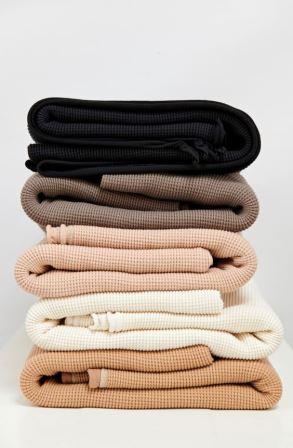
Affordable Bed Linen Manufacturers in India

Why Natural Fabrics Are Preferred for Bed Linen?

The quality of bed linen plays a vital role in sleep comfort, health, and overall well-being. As consumers become more conscious about what they bring into their homes, natural fabrics are increasingly preferred over synthetic alternatives. From breathability and softness to sustainability and skin safety, natural materials offer advantages that align with modern lifestyle needs.

Unlike synthetic fabrics that are often engineered for low cost and durability, natural fabrics focus on comfort, temperature regulation, and long-term health benefits. This shift in consumer preference has reshaped the bed linen industry, making natural fabrics the benchmark for premium and responsible bedding.

Understanding What Natural Fabrics Mean in Bed Linen

Natural fabrics are derived from plant or animal sources rather than chemical synthesis. Common examples include cotton, linen, bamboo, and silk. These materials retain their inherent properties even after processing, making them more breathable and skin-friendly.

In bed linen, natural fabrics are valued for their ability to adapt to the body’s needs during sleep. They provide comfort across different climates and seasons, offering a more restful and uninterrupted sleep experience.

Breathability for Better Sleep Quality

One of the most significant advantages of natural fabrics is their breathability. They allow air to circulate freely, preventing heat and moisture buildup during sleep.

This airflow helps regulate body temperature naturally, keeping sleepers cool in warm weather and comfortably warm in cooler conditions. Breathable bedding reduces night sweats and discomfort, contributing to deeper and more restorative sleep.

Moisture Absorption and Sweat Control

Natural fibers excel at absorbing moisture without feeling damp. This is particularly important for bed linen, as the body releases moisture throughout the night.

By absorbing sweat and releasing it into the air, natural fabrics help maintain a dry and comfortable sleeping surface. This moisture-management property also reduces the likelihood of bacterial growth and unpleasant odors.

Skin-Friendly and Hypoallergenic Properties

Bed linen is in constant contact with the skin, making fabric choice crucial for people with sensitive skin or allergies. Natural fabrics are generally free from harsh chemicals and synthetic additives that can cause irritation.

Their smooth fibers reduce friction, minimizing skin irritation and promoting comfort. Many natural fabrics are also hypoallergenic, making them suitable for children, elderly users, and individuals with respiratory sensitivities.

Temperature Regulation Across Seasons

Natural fabrics adapt well to changing temperatures. They respond to body heat by releasing excess warmth while retaining just enough insulation to prevent chill.

This adaptability makes natural bed linen suitable for year-round use. Instead of switching bedding with the seasons, many users prefer natural fabrics that offer consistent comfort throughout the year.

Long-Term Comfort and Softness

Unlike synthetic fabrics that may feel soft initially but degrade over time, natural fabrics often become softer with repeated washing and use.

This long-term comfort makes natural bed linen a worthwhile investment. The fibers maintain their integrity while enhancing tactile appeal, ensuring continued comfort without compromising quality.

Durability Without Compromising Comfort

A common misconception is that natural fabrics are less durable than synthetic ones. In reality, high-quality natural fibers are remarkably strong and long-lasting.

When properly manufactured and cared for, natural bed linen retains its shape, texture, and color over extended periods. Durability combined with comfort makes natural fabrics ideal for both residential and hospitality use.

Sustainability and Environmental Responsibility

Sustainability is a key driver behind the preference for natural fabrics. These materials are biodegradable and have a lower environmental impact compared to petroleum-based synthetics.

Responsible sourcing and eco-friendly processing further enhance the appeal of natural bed linen. Consumers increasingly choose bedding that aligns with their environmental values without sacrificing comfort.

Reduced Chemical Exposure in the Bedroom

Synthetic fabrics often involve chemical treatments to enhance performance, such as wrinkle resistance or stain repellence. These chemicals can linger in the fabric and affect indoor air quality.

Natural fabrics typically require fewer chemical treatments, reducing exposure to potentially harmful substances. This contributes to a healthier sleeping environment, especially for families with children.

Aesthetic Appeal and Timeless Elegance

Natural fabrics offer a refined and timeless aesthetic. Their textures and finishes create a sense of warmth and authenticity that synthetic materials struggle to replicate.

Whether styled in minimalistic, rustic, or luxury interiors, natural bed linen complements a wide range of décor preferences. This versatility enhances its appeal across diverse consumer segments.

Easy Maintenance and Longevity

Contrary to popular belief, many natural fabrics are easy to maintain. With proper washing and care, they retain their quality and appearance for years.

Their ability to withstand regular laundering without losing comfort or strength makes them practical for everyday use. This ease of maintenance adds to their long-term value.

Consumer Shift Toward Health-Focused Living

Modern consumers are increasingly prioritizing wellness in everyday choices, including bedding. Natural fabrics align with this health-focused mindset by offering safer, cleaner, and more comfortable sleep solutions.

This shift has influenced manufacturers and retailers to focus more on natural materials in bed linen collections, responding to growing demand for healthier living environments.

Expectations from a Bed Linen Manufacturer in India

A professional Bed Linen Manufacturer in India is expected to deliver products that balance comfort, durability, and sustainability. Buyers look for manufacturers who understand fabric behavior, weaving techniques, and finishing processes that enhance natural properties.

Attention to quality control, ethical sourcing, and consistency plays a major role in meeting both domestic and international market expectations.

Quality Standards Followed by a Trusted Bed Linen Manufacturer in India

An experienced Bed Linen Manufacturer in India follows strict quality standards throughout the production process. From yarn selection to final finishing, each stage is designed to preserve the integrity of natural fabrics.

Consistent testing ensures that the bed linen meets performance benchmarks for softness, strength, and color retention while maintaining compliance with global quality norms.

Casa Fashion’s Approach to Natural Fabric Bed Linen

Casa Fashion emphasizes craftsmanship, material integrity, and sustainable practices in its bed linen production. Every product is designed to maximize the natural benefits of the fabric while meeting modern comfort expectations.

By combining traditional textile expertise with contemporary quality standards, Casa Fashion delivers bed linen that aligns with global preferences for natural, health-focused products.

Final thoughts:

Natural fabrics have become the preferred choice for bed linen due to their breathability, comfort, skin-friendly properties, and environmental benefits. They enhance sleep quality while supporting a healthier and more sustainable lifestyle.

Choosing a reliable Bed Linen Manufacturer in India access to high-quality natural fabric bedding that meets modern comfort and durability standards. With its commitment to quality and responsible manufacturing, Casa Fashion continues to set benchmarks in delivering premium natural fabric bed linen for diverse markets.

Canvas Bag Manufacturer in India

Design Tips for Custom Canvas Shoulder Bags

Canvas shoulder bags have become a staple accessory across industries—from fashion and retail to corporate gifting and sustainable branding. Their popularity lies in their durability, versatility, and eco-friendly appeal. However, what truly differentiates one canvas shoulder bag from another is its design.

An effective design is not just about visual appeal. It balances aesthetics, usability, durability, and brand alignment. Thoughtful design decisions ensure the bag serves its purpose while resonating with the end user. Whether for daily use, promotional campaigns, or retail collections, a well-designed canvas shoulder bag adds lasting value.

Understanding the Purpose Before Designing

Every successful design begins with clarity of purpose. Before selecting colors, prints, or finishes, it’s essential to define why the bag is being created. Is it meant for everyday commuting, shopping, travel, or promotional giveaways?

Understanding usage helps determine size, weight capacity, strap length, and overall structure. A bag designed for laptops will differ greatly from one intended for casual shopping. Purpose-driven design prevents functional flaws and ensures customer satisfaction.

Choosing the Right Canvas Fabric Quality

Canvas fabric comes in varying weights and textures, and selecting the appropriate one is a critical design decision. Lightweight canvas works well for casual or promotional use, while heavier canvas offers strength and structure for daily or professional use.

Texture also matters. A smooth canvas provides a clean, modern look suitable for minimal designs, whereas a coarse weave offers a rustic, handcrafted appeal. The fabric choice directly influences durability, print clarity, and user perception.

Prioritizing Comfort in Strap Design

Strap design is often overlooked, yet it plays a major role in user comfort. The width, length, and attachment method of shoulder straps determine how comfortable the bag feels during extended use.

Adjustable straps add flexibility, allowing users of different heights to wear the bag comfortably. Reinforced stitching at stress points ensures the strap can withstand regular use without fraying or tearing.

Selecting Practical and Balanced Bag Dimensions

An ideal canvas shoulder bag strikes a balance between spaciousness and portability. Overly large bags can feel bulky, while smaller ones may limit usability.

Designers should consider what users typically carry books, gadgets, groceries, or personal items and size the compartments accordingly. Slim profiles with smart internal organization often appeal more than oversized, unstructured designs.

Intelligent Compartment and Pocket Planning

Internal organization elevates a bag from basic to premium. Inner pockets help users keep essentials organized, while external pockets add convenience for frequently accessed items.

Zippered compartments enhance security, especially for urban users. Designers should ensure pockets are strategically placed to maintain balance and prevent the bag from sagging unevenly.

Color Selection That Matches Usage and Trends

Color plays a powerful role in the appeal of canvas shoulder bags. Neutral shades like beige, grey, olive, and black are timeless and versatile, while bold colors attract attention and express personality.

Designers should consider the target audience and usage context. Corporate bags often favor muted tones, while lifestyle and fashion bags allow room for vibrant or experimental color palettes.

Minimalism vs. Statement Designs

Some canvas shoulder bags thrive on simplicity, while others succeed as bold fashion statements. Minimalist designs focus on clean lines, subtle branding, and neutral tones. These bags appeal to users seeking versatility and elegance.

Statement designs, on the other hand, use bold prints, patterns, or typography to stand out. Both approaches can be effective when aligned with the intended audience and brand message.

Print Placement and Visual Balance

Print placement significantly impacts the overall look of a bag. Centered designs create symmetry, while corner or edge placements offer a modern, understated feel.

Designers must ensure that prints do not interfere with seams, pockets, or folds. Proper alignment maintains visual balance and prevents distortion during use.

Durability Through Reinforced Stitching

A well-designed bag must endure daily wear and tear. Reinforced stitching at stress points such as handles, corners, and base panels enhances durability.

Double stitching not only strengthens the bag but also adds a professional finish. Visible stitching can even become a design feature when executed neatly.

Functional Closures and Fastenings

Closures play both a functional and aesthetic role. Zippers provide security, magnetic buttons offer ease of access, and flap closures add a classic touch.

The choice of closure should match the bag’s purpose. A travel or work bag benefits from secure closures, while casual bags may prioritize quick accessibility.

Incorporating Sustainable Design Principles

Sustainability is no longer optional it’s a design necessity. Canvas shoulder bags naturally align with eco-friendly values, but thoughtful design further enhances sustainability.

Reducing unnecessary material usage, opting for reusable designs, and ensuring long product life all contribute to responsible design. Sustainable bags not only benefit the environment but also appeal strongly to conscious consumers.

Branding Without Overcrowding the Design

Branding should enhance the bag, not overpower it. Subtle logos, woven labels, or small printed marks often look more premium than oversized branding.

Designers should aim for brand visibility while maintaining aesthetic harmony. A well-placed logo builds recognition without compromising elegance.

Customization Options for Different Markets

Customization adds value and exclusivity. Options like adjustable straps, color variations, interior linings, or detachable elements allow the same base design to cater to multiple markets.

This flexibility helps manufacturers and brands meet diverse customer preferences without redesigning from scratch.

Design Expectations from a Canvas Shoulder Bag Manufacturer in India

A professional Canvas Shoulder Bag Manufacturer in India focuses on translating creative concepts into functional, durable designs. Attention to fabric selection, stitching precision, and usability standards ensures the final product meets both aesthetic and practical expectations.

Manufacturers with design expertise understand market trends and user behavior, helping brands create canvas shoulder bags that perform well in real-world use.

Quality and Innovation Standards Followed by Canvas Shoulder Bag Manufacturer in India

An experienced Canvas Shoulder Bag Manufacturer in India integrates innovation with quality control. From prototype testing to stress analysis, each design undergoes evaluation to ensure longevity and comfort.

Consistent quality standards ensure that design elements remain intact even after prolonged usage, washing, and handling.

Casa Fashion’s Design Philosophy for Canvas Shoulder Bags

Casa Fashion follows a design philosophy rooted in functionality, sustainability, and refined aesthetics. Every design choice from fabric weight to strap construction is carefully considered to enhance user experience.

By blending modern trends with practical craftsmanship, Casa Fashion delivers canvas shoulder bags that appeal to both domestic and international markets.

Final thoughts:

Designing custom canvas shoulder bags requires a thoughtful balance of form, function, and durability. Every element fabric choice, strap comfort, compartment layout, and visual design plays a role in determining the bag’s success.

Partnering with a reliable Canvas Shoulder Bag Manufacturer in India ensures that design ideas are executed with precision and quality. With a commitment to innovation and craftsmanship, Casa Fashion continues to create canvas shoulder bags that meet evolving market demands while delivering long-lasting value.