
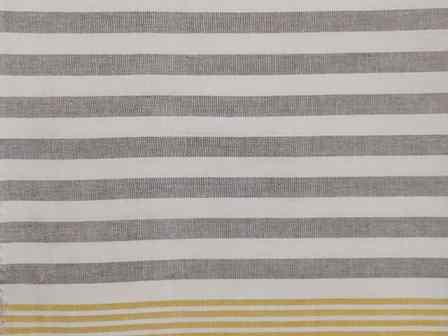
How Linen Supports Zero‑Waste Fashion Production
INTRODUCTION
In a world grappling with overconsumption and environmental degradation, the fashion industry stands out
as a major contributor to global waste. A recent McKinsey report revealed that the industry produced 92
million tonnes of textile waste in 2020, with only a fraction being recycled or repurposed. This
alarming trend has pushed brands, designers, and consumers to reconsider materials and systems that can
reduce waste and promote circular economies. Among these sustainable materials, linen has emerged as a
frontrunner in zero‑waste fashion production.
Derived from flax, a humble yet robust plant with a history spanning thousands of years—linen offers
more than just aesthetic appeal. Its eco‑friendly attributes, efficient agricultural cycle, and
full-resource utilization make it uniquely suited for sustainable production models. In this
comprehensive blog, we’ll explore how linen aligns with zero-waste ideologies, examining the science
behind its sustainability, real-world applications, and strategies for integrating this versatile fabric
into circular fashion systems.
The Origins of Linen: A Historical Perspective
Linen is one of the oldest textiles known to humanity. Archaeological findings suggest its use as far back as ancient Egypt, where linen was not only valued for its coolness and durability but also used in sacred contexts like mummy wrappings. Fast forward to modern times, and linen remains revered for its tactile comfort, biodegradable nature, and natural aesthetics. The process of transforming flax into linen involves several steps: retting, scutching, spinning, weaving all traditionally done in low-impact ways. While industrialization has streamlined these processes, the core flax-to-linen pathway remains naturally efficient, requiring minimal chemical interventions when responsibly managed.
Why Linen is a Zero-Waste Champion
1. Minimal Agricultural Waste
Flax thrives with low water requirements and can be cultivated without excessive fertilizers or pesticides, lowering both environmental impact and production costs. Even better, nearly every part of the flax plant is usable: stalks feed fiber processing, straw serves animal bedding, and flax seeds yield valuable oil, turning what could be agricultural waste into useful byproducts.
2. Biodegradability and Compostability
Unlike synthetic fibers such as polyester, linen is 100% biodegradable. When disposed of properly especially without toxic dyes, linen garments can fully decompose within a few months in compost or moisture-rich environments. This return-to-soil capability closes the textile loop in zero-waste fashion models.
3. Durable Yet Recyclable
Linen boasts exceptional strength stronger wet than dry making garments long-lasting, which is key to reducing overall consumption. Once a linen item reaches the end of its life, it can be recycled mechanically into fiberfill or home insulation, maintaining a high percentage of material retention.
4. Lightweight Production Footprint
Linen’s water usage is low, agricultural processing is energy-efficient, and the material transportation can be streamlined if sourced regionally. This reduced footprint aligns with life-cycle assessment frameworks used by eco-conscious brands.
5. Compatibility with Zero-Waste Patterns
The texture and drape of linen lend themselves well to zero-waste pattern cutting—a method that uses every bit of fabric through smart geometric layouts and minimal waste margins. Designers appreciate linen for its pliability in 2D pattern-making solutions.
Linen Applications in Circular Fashion Systems
-
Mono-Material Collections
Brands committed to circularity prefer mono-material items that are easy to recycle at the end of life. Linen works exceedingly well here—dyeable, versatile, and single-component, it avoids the sorting challenges of mixed-fiber garments. -
Upcycling and Refashion
Old linen pieces—shirts, curtains, tablecloths—are robust enough to be refashioned into new garments, accessories, or textiles. Their enduring appeal and quality make them perfect candidates for creative reuse. -
Deadstock and Surplus Utilization
Deadstock domains—such as surplus linen yardage or bolt-ends—can be repurposed into small-batch capsule collections. Given linen’s forgiving nature with color and texture, it’s excellent for patchwork, trims, or statement accessories. -
End-of-Life Recycling
Recycling linen, while less mainstream than cotton, is technically feasible. Post-consumer linen discarded by circular brands can be mechanically shredded and respun into coarse textiles or insulation products.
Challenges and Opportunities in Mainstream Adoption
hough promising, linen’s broader adoption in zero-waste fashion faces some hurdles
-
Cost Premium: Flax cultivation and linen processing can be costlier than mass-produced synthetics, making it a premium material.
-
Wrinkling Behavior: Its natural tendency to wrinkle may deter some consumers, though many perceive it as part of linen’s charm.
-
Recycling Infrastructure Gaps: Textile recycling systems for linen are still developing in many regions.
-
Climate Dependence: Flax thrives in specific climates, requiring coordinated sourcing and supply-chain strategies.
Despite these challenges, increasing consumer demand for responsible textiles and innovations in fiber processing are steadily expanding linen’s market viability and circular potential.
Design Strategies for Zero-Waste Linen Collections
-
Implementing Zero-Waste Pattern Cutting: Designers can lay out entire collection patterns on single pieces of linen yardage or with minimal piecing. When executed well, this reduces scrap fabric by over 90%.
-
Embracing Modular Design: Modular garments with interchangeable parts—like detachable panels, sleeves, or belts—allow wearers to adapt pieces across seasons. These components are typically crafted from the same linen cloth, ensuring future recyclability.
-
Natural Dye Synergy: Using plant-based or low-impact dyes on linen ensures e-fiber remains clean and compostable, fully supporting zero-waste lifecycle goals.
-
Quality Meets Minimalism: Linen’s elegant, textured aesthetic aligns naturally with minimalist design trends. Simple silhouettes showcase fabric quality while reducing material waste through smart construction.
-
Sourcing with Traceability: For authentic zero-waste fashion, sourcing linen from transparent, traceable flax farms is vital. Fair-labor certified linen aligns with brand values and circular ethos.
Collaborating with Linen Fabric Manufacturers in India for Sustainable Supply
India has emerged as a significant player in linen production, with a range of linen fabric manufacturers in India innovating to meet global sustainability demands. These mills offer:
-
GOTS/OCS-certified linen: Ensuring organic or recycled content integrity.
-
Custom milled weights/textures: Enabling designers to craft zero-waste palettes.
-
Low-impact finishing methods: Using ETP water treatment and closed-loop dyeing.
-
Small-run availability: Supporting low-waste production without large MOQ burdens.
By aligning with progressive linen fabric manufacturers in India, zero-waste brands can access compliant materials while supporting local industry and ethical supply chains.
Why Casa Fashions Leads in Zero-Waste Linen Production
As a forward-thinking brand, Casafashions has distinguished itself by prioritizing circularity and quality in linen collections. Their efforts include:
-
Using deadstock linen to create capsule lines.
-
Purchasing linen remnant stocks to reduce textile landfill.
-
Partnering directly with Indian manufacturers to source traceable, eco-certified fabrics.
-
Publishing transparency reports detailing linen waste diverted from landfill.
Casa Fashions exemplifies how collaboration across sourcing, design, and manufacturing nodes can produce zero-waste outcomes and brand differentiation.
Casa Fashions: Collaborating with Linen Fabric Manufacturers in India
Casa Fashions’ ethos prioritizes conscious material sourcing and regenerative manufacturing. They work closely with certified linen fabric manufacturers in India to develop bespoke linen grades tailored for zero-waste design—lightweight textures for dresses, mid-weight Italian-textured weaves for outerwear, and coarse linens for accessories.
This synergy enables Casa Fashions to:
-
Avoid overproduction through on-demand, smaller batch runs.
-
Co-design unique yarn counts and dye techniques suited for zero-waste layouts.
-
Track fiber to garment, creating a fully transparent supply chain.
Their commitment illustrates how close collaboration with linen fabric manufacturers in India can fuel innovation and circular success.
Conclusion: Casa Fashions and Linen for Zero-Waste Futures
As the fashion industry seeks to turn the tide on waste, linen emerges as a sustainable material steeped in history and promise. Its biodegradability, strength, compostability, and design flexibility make it a cornerstone for zero-waste strategies. When woven into mindful systems—from fiber sourcing to garment recycling—linen supports a transition to circular fashion. Casa Fashions, by partnering with leading linen fabric manufacturers in India is demonstrating how authenticity, transparency, and collaboration can bring zero-waste values into wearable reality. Through intentional design, traceable sourcing, and supply-chain synergy, they illustrate the power of linen to transform not just garments but the future of fashion.